Turkmenistan is ramping up natural gas transit through Iran and pursuing deeper energy cooperation with Türkiye, marking a strategic push to diversify its export routes and strengthen regional energy ties.
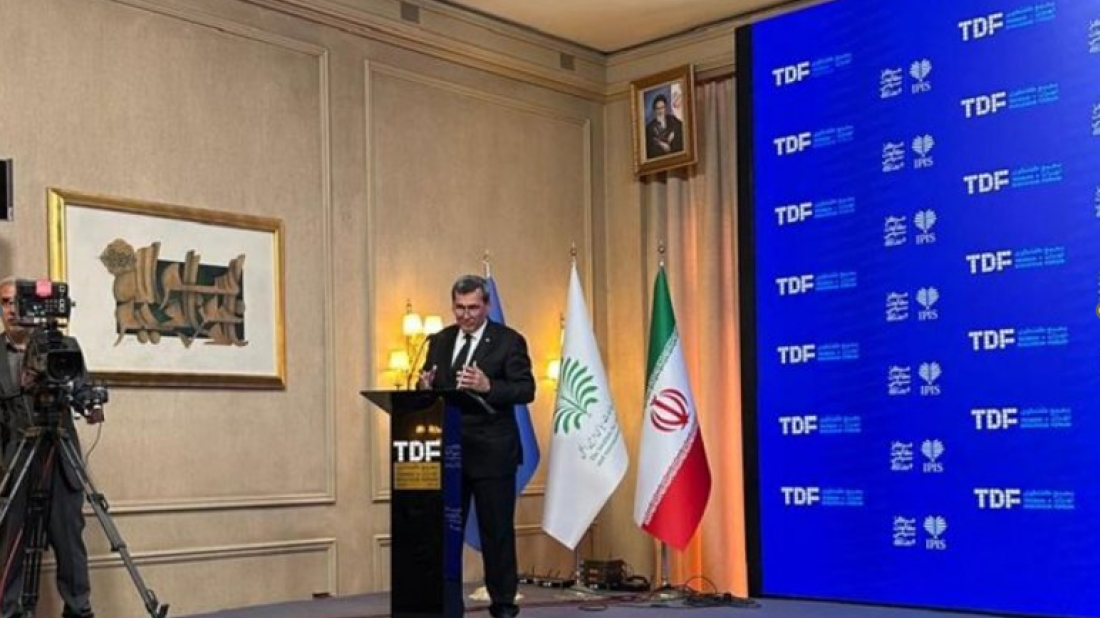
Turkmenistan is preparing to increase natural gas transit through Iran as part of its broader effort to expand energy exports. The announcement was made by Turkmen Foreign Minister Rashid Meredov on Monday, May 19, during the 18th session of the Turkmen-Iranian Intergovernmental Commission on Economic Cooperation, held in Tehran.
Meredov stated that Ashgabat also intends to attract Iranian investors to participate in its petrochemical projects. He emphasized that this cooperation could lead to more efficient utilization of Turkmenistan’s vast gas reserves and contribute to the development of regional energy infrastructure.
In recent years, Iran and Turkmenistan have stepped up their energy cooperation, signing several gas swap agreements. Under these deals, Iran receives natural gas from Turkmenistan and delivers an equivalent volume to third countries such as Azerbaijan and Iraq. These swap arrangements enable Iran to supply natural gas to its northeastern regions, home to major population centers and industrial hubs.
Iran also imports approximately 2 billion kilowatt-hours of electricity from Turkmenistan annually to meet the growing energy demand in the northeast.
A significant development in regional energy cooperation came in March with the signing of an agreement between Turkmenistan’s state energy company “TurkmenGaz” and Turkiye’s national gas company BOTAŞ. Under the agreement, Turkmen gas started flowing to Turkiye via Iran beginning March 1, 2025. This marks the first time in over two decades that Turkiye received pipeline gas from a country with which it shares no direct border.
Turkish Energy and Natural Resources Minister Alparslan Bayraktar hailed the agreement as a historic achievement, noting that competitively priced Turkmen gas could supply around 1.5 million households in Turkey annually. By the end of 2025, Turkiye is set to receive 1.3 billion cubic meters of gas, with both sides already discussing plans to extend the agreement for another five years and increase the volume of deliveries.
For Turkmenistan, this marks a strategic step toward diversifying export routes and expanding its energy market reach. For Turkiye, the deal secures a new source of energy at favorable prices, strengthening the country’s energy security.












What is your opinion on this topic?
Leave the first comment