Strike near Nakhchivan raises fears of wider regional spillover in the South Caucasus
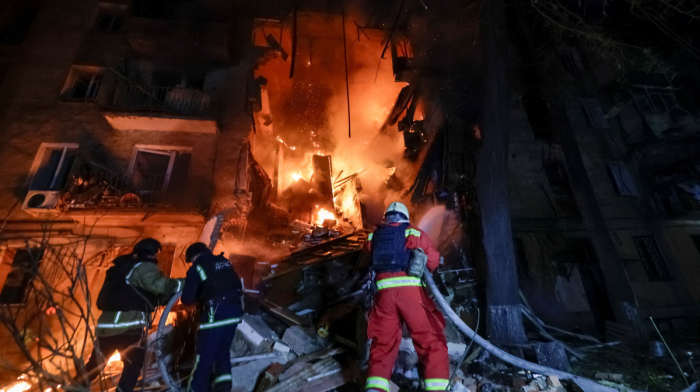
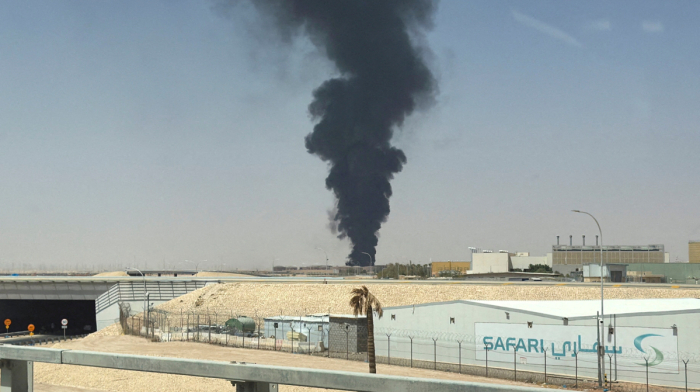
Tensions are rising in the South Caucasus after a reported strike near Azerbaijan’s Nakhchivan exclave, fuelling fears that instability linke...
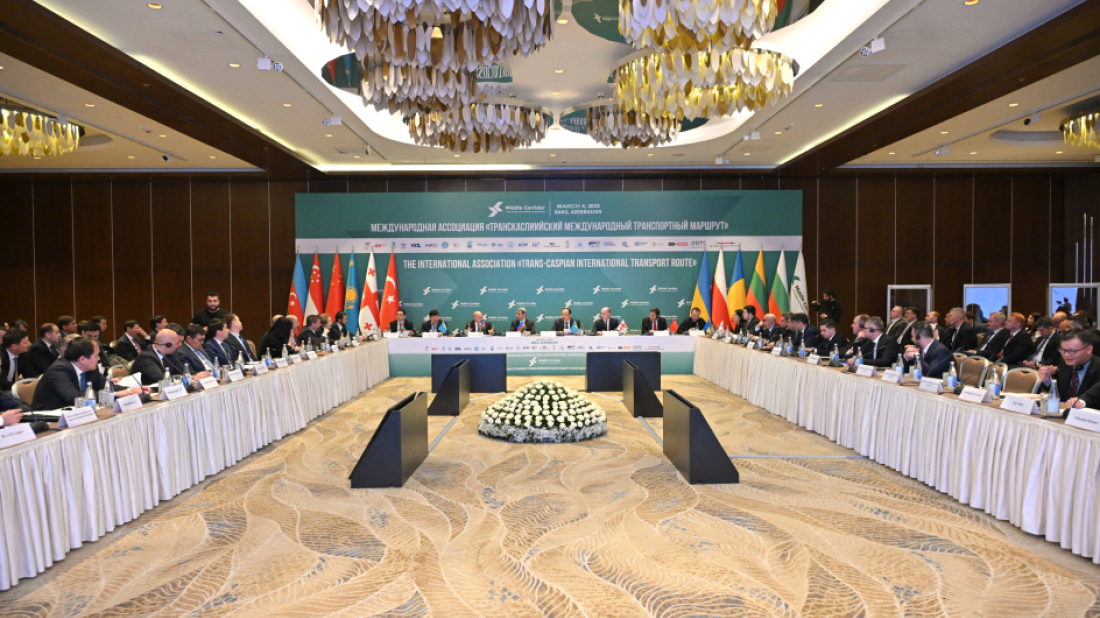
The General Assembly of the Trans-Caspian International Transport Route (TITR) International Association was held today in Baku.
The meeting was attended by delegations from 10 countries, including heads of railway administrations from member states, as well as high-ranking representatives of transport and logistics companies.
During the event, it was emphasized that the Middle Corridor is rapidly developing as one of the region's key transportation arteries. It was noted that comprehensive measures have been implemented to improve the management of freight operations within the framework of close cooperation among member states. These measures include the integration of modern analytical information systems and the introduction of real-time cargo tracking services.
To ensure more transparent and efficient freight management, Singapore-based Global DTC introduced the "Digital Trade Corridor" multimodal platform and the "Fast Customs" platform for TITR. These innovations have not only enhanced the transparency of operations but also strengthened control mechanisms.
Special attention was given to increasing the annual cargo throughput capacity of the Baku–Tbilisi–Kars railway line from 1 million to 5 million tons, as well as restoring freight operations along this route.
Participants emphasized that the main objectives are to harmonize tariffs, increase the speed of freight transportation, and ensure cargo security. This approach will allow Middle Corridor countries to establish a more competitive and sustainable transport route in the long term.
During the meeting, the TITR International Association’s Working Group presented the approved tariff rates for 2025. Following this, the cargo transportation plan for this year and its implementation mechanisms were approved. Additionally, a decision was made to open an official TITR representative office in Xi'an, China.
At the conclusion of the meeting, agreements on the establishment of feeder connections between Caspian Sea ports and ensuring the loading of feeder vessels were signed.
The event continued with the “Middle Corridor via the Caspian Sea” forum, where participants discussed the efficient organization of maritime cargo transportation and potential future initiatives in this area.

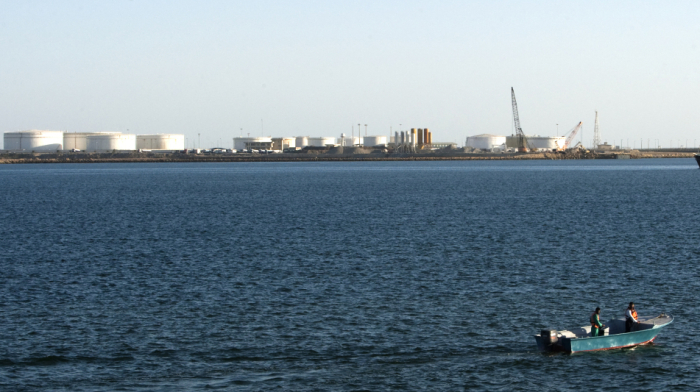
Tensions in the region remained high on Tuesday (10 March), as the United States and Iran exchanged increasingly sharp warnings, including threats over the strategic Strait of Hormuz, a critical artery for global oil supplies.
China has urged Afghanistan and Pakistan to resolve their dispute through dialogue after Chinese envoy Yue Xiaoyong met Afghan Foreign Minister Amir Khan Muttaqi, as fighting between the two neighbours entered its eleventh day.
Entry and exit across the state border between Azerbaijan and Iran for all types of cargo vehicles, including those in transit, will resume on 9 March, according to a statement by the Cabinet of Ministers of Azerbaijan.
Iranian civilian and military officials have pledged their obedience to the new leader, Ayatollah Seyed Mojtaba Khamenei, with President Masoud Pezeshkian saying his leadership “will herald a new era of dignity and authority for the Iranian nation.”.
Kazakhstan has evacuated more than 7,300 citizens from the Middle East since regional tensions escalated, using both air and land routes to bring nationals home while closely monitoring political developments and potential economic effects linked to rising oil prices.
Tensions are rising in the South Caucasus after a reported strike near Azerbaijan’s Nakhchivan exclave, fuelling fears that instability linked to Iran could spill into the region, Dr. Erik Rudenskjold speaks to AnewZ.
Iran and the U.S. exchanged threats on Tuesday, as U.S. Defense Secretary Pete Hegseth warned Tehran to expect the “most intense day" of attacks so far. Meanwhile, Iranian President Masoud Pezeshkian said “anyone who entertains the illusion of destroying Iran knows nothing of history."
The Strait of Hormuz has become a focal point of global concern as tensions rise following the conflict involving Iran, the United States and Israel. Tehran has threatened to block the strategic waterway, raising fears of disruption to global oil shipments and energy markets.
Reports of so-called “acid clouds” moving from Iran towards Central Asia are not supported by scientific data, national hydrometeorological services in Kazakhstan, Uzbekistan and Kyrgyzstan say, adding there is no threat to the region.
A senior delegation from the OSCE Parliamentary Assembly has been holding meetings with Georgian government officials, opposition leaders and security authorities this week, as international observers attempt to gauge the country’s political climate following last year’s contentious elections.
You can download the AnewZ application from Play Store and the App Store.
What is your opinion on this topic?
Leave the first comment