Ukraine is facing a sharp escalation in fighting across several fronts, with Russian forces launching large-scale offensive operations while Kyiv intensifies long-range strikes deep inside Russian territory.
Over the past forty-eight hours, Ukrainian officials have reported heavy bombardments, widespread drone attacks and some of the fiercest ground engagements in weeks.
According to Ukraine’s military, two hundred and sixty-five combat clashes have taken place since 15 November. Officials say Russia has fired 23 missiles, carried out 52 air strikes, dropped more than one hundred guided bombs and launched at least 4,800 kamikaze drones in two days.
The heaviest pressure remains around Pokrovsk, where Ukrainian units say they have pushed back over one hundred assaults in recent days.
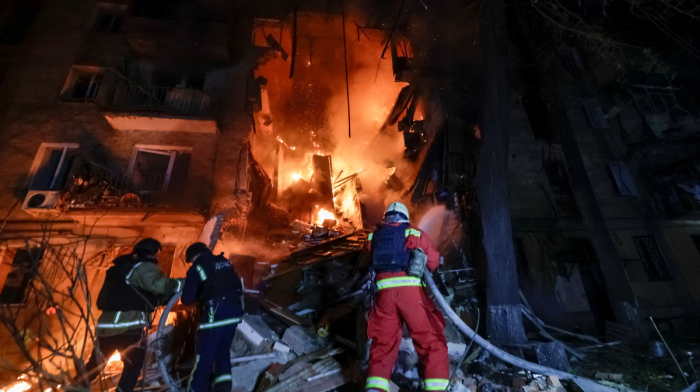
Casualties were reported across the country. Ukrainian authorities say Russian attacks over the past day killed at least four civilians and injured seventeen. Overnight, Russia launched an Iskander-M ballistic missile and 176 drones.
Air defences intercepted 139, but 37 hit multiple regions, damaging residential areas and striking a solar power plant in the Odesa region.
Russia says its forces struck energy facilities linked to Ukraine’s defence sector, as well as military airfields and the communications centre of Ukraine’s Defence Intelligence. Moscow also claims to have taken several frontline settlements in Zaporizhzhia.
On Sunday, Russia’s Defence Ministry announced it had captured Rivnopillya and Mala Tokmachka, two settlements along an active stretch of the southeastern front. The ministry said the advances place the Ukrainian-held towns of Huliaipole and Orikhiv at risk of encirclement.
Drone footage released by Russia showed troops raising flags in Rivnopillya. Reuters verified the location but could not confirm when the footage was filmed. Ukraine has not yet commented and independent verification remains limited.
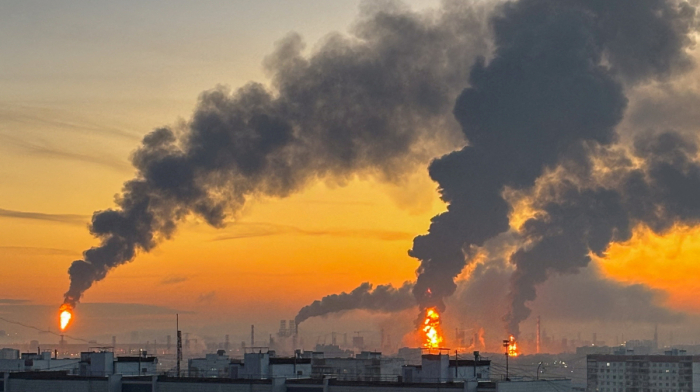
As Russian forces push forward, Ukraine has stepped up strikes targeting Russia’s critical infrastructure. Kyiv says it hit the Ryazan Oil Refinery, a facility producing military-grade fuel, and attacked Russian rear positions with drones.
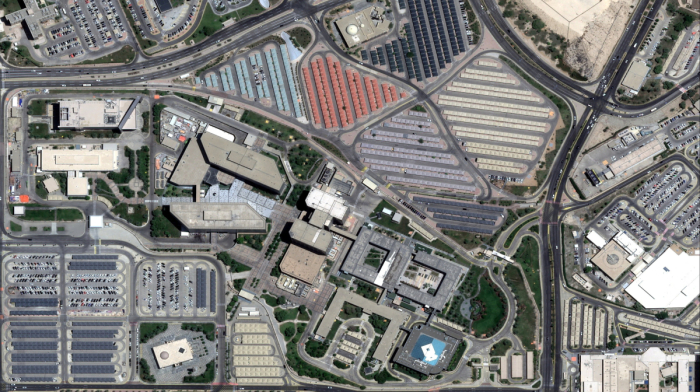
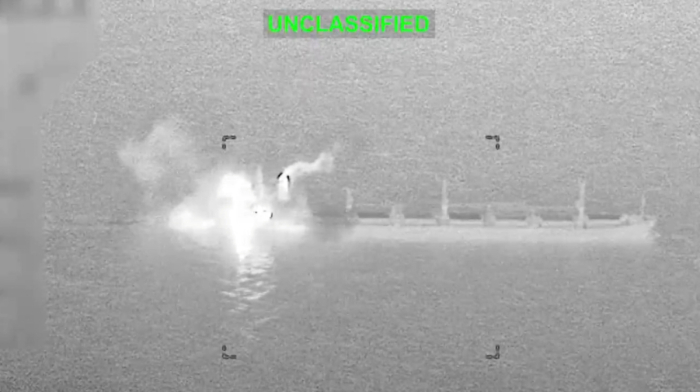
Russian-installed officials said Ukrainian strikes caused temporary power outages for around forty-four thousand people. Meanwhile, new satellite images published on Sunday show significant damage at the port of Novorossiysk after a Ukrainian drone and missile attack earlier in the week.
The port, Russia’s main Black Sea export hub, handles around twenty per cent of the country’s crude shipments. Oil loadings resumed Sunday after a two-day shutdown that analysts say could have forced Russia to halt production at West Siberian fields if extended further.
The attack on Novorossiysk marks one of Ukraine’s most damaging strikes on Russian energy infrastructure to date, highlighting Kyiv’s strategy of targeting refineries, export terminals and logistics hubs in an attempt to disrupt Moscow’s war financing and reduce the Russian navy’s reach in the Black Sea.
The parallel developments, Russian advances on the ground and Ukrainian strikes on critical infrastructure, point to a widening escalation with no indication of de-escalation.
Analysts warn that both sides appear committed to intensifying operations as winter approaches, with energy networks, supply routes and defensive positions likely to remain primary targets in the months ahead.













What is your opinion on this topic?
Leave the first comment