The number of newly enrolled international students studying at U.S. colleges and universities dropped by 17% this autumn following new restrictions on student visas and other Trump administration policies, according to a report released on Monday.
Among the schools citing declines in new enrollments, 96% said visa application concerns were a factor, and 68% cited travel restrictions, according to the nonprofit Institute of International Education, which collected data from 825 U.S. higher education institutions.
As part of its increased scrutiny of legal immigration, the Trump administration has instituted a number of policies aimed at international students, including efforts to cap their enrollment at U.S. universities.
Additionally, the U.S. State Department has authorized consular officers to ask visa applicants to make their social media accounts public in an effort to identify any who may be hostile toward the United States. Some student visas have been revoked, and students seeking new visas have faced delays.
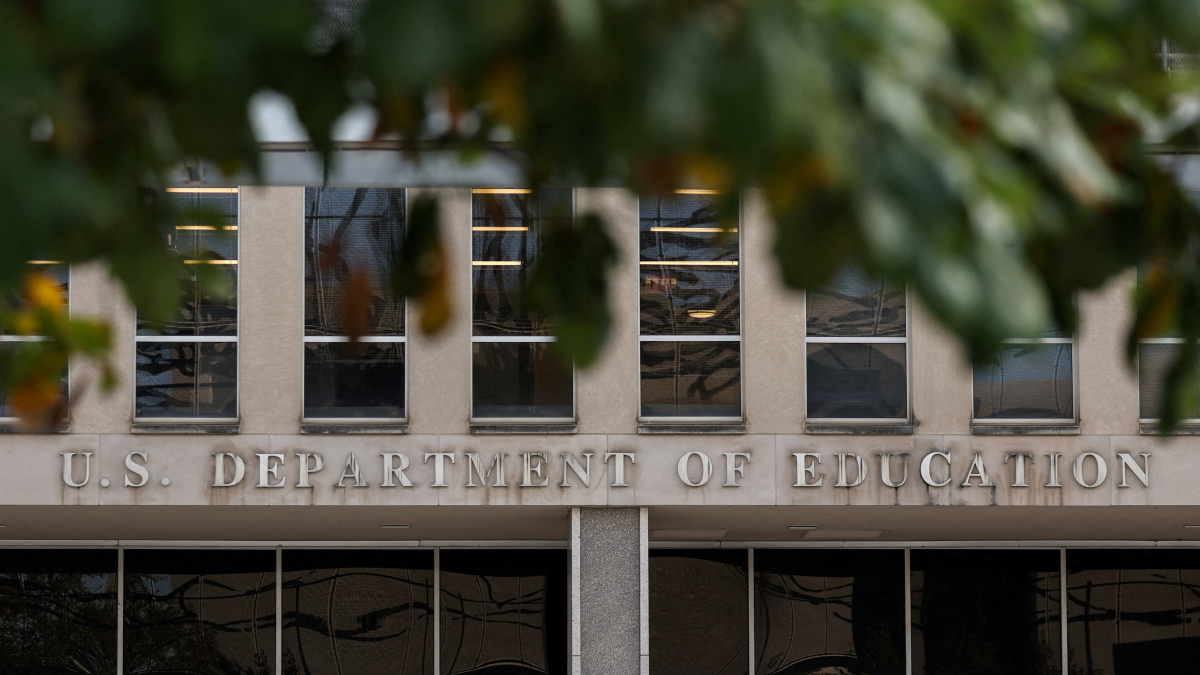
Representatives for the White House and the Department of Education did not immediately respond to requests for comment.
Many schools reflected in Monday's report said visa delays related to long wait times, or the temporary pause in visa issuance earlier this year, had an impact on the ability of students to receive visas.
The report noted that concerns about the visa application process, such as visa delays and denials, have long been the leading factor noted by institutions for enrollment declines.
About 1.2 million international students studied in the U.S. during the 2024-2025 academic year, according to estimates from NAFSA: Association of International Educators, a nonprofit organization. They contributed about $55 billion to the U.S. economy as of 2024, according to Bureau of Economic Analysis data.
Many international students are ineligible for financial aid and pay full tuition, providing an important revenue source for schools seeking to offset decreasing domestic enrollment, increasing operating costs and cuts to government funding.
According to Monday's report, about 29% of institutions registered an increase in new international enrollment, 14% held steady, and 57% noted a decrease.
The majority of institutions reported new enrollment declines among Indian students, and they are likely driving the overall national declines, the report said. India is the top source for international students at U.S. higher education schools.



















What is your opinion on this topic?
Leave the first comment