Russia demands NATO halt military activity in Central Asia and Eastern Europe
Russia has demanded that NATO halt military activity in Central Asia under sweeping security proposals put forward during talks on the war in Ukrai...
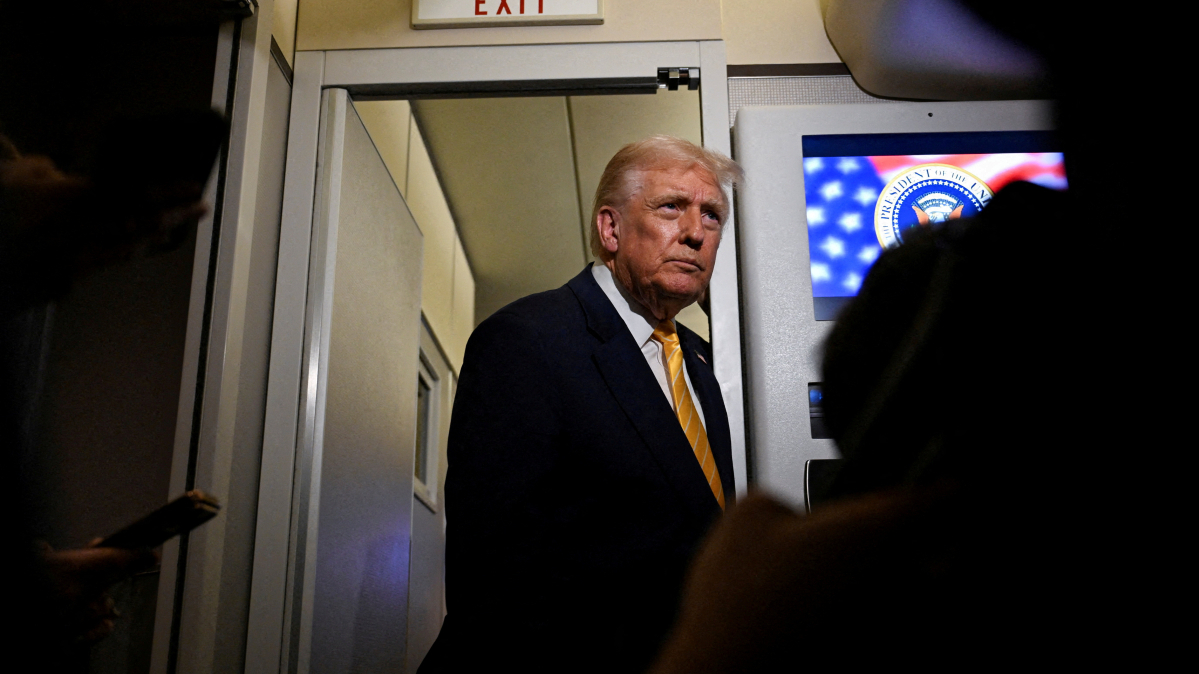
President Donald Trump said on Monday that he supports aggressive action against drug cartels and narcotics production in Mexico and Colombia.
Trump has intensified his campaign against maritime drug trafficking, authorising more forceful interdiction operations and giving U.S. forces expanded authority to disable or sink vessels suspected of carrying narcotics.
Asked at an event in the Oval Office whether he backed similar ground strikes in Mexico to stem drug trafficking, Trump said, “OK with me, whatever we have to do to stop drugs.”
While he stopped short of announcing any direct U.S. military intervention, he later raised the prospect of targeting cocaine laboratories in Colombia.
“Would I knock out those factories? I would be proud to do it personally,” Trump said.
“I didn’t say I’m doing it, but I would be proud to do it because we’re going to save millions of lives,” he added.
Trump's comments are in contrast to remarks by Secretary of State Marco Rubio, who last week said there would be no U.S. military intervention in Mexico and that cooperation between the two countries was at an "all-time high."
Mexican President Claudia Sheinbaum, who has repeatedly boasted about good relations with Trump and his administration, denied earlier this month that any unilateral U.S. military action would take place.
This follows reports that the U.S. had begun detailed planning for a new anti-cartel mission inside the country, including sending troops and intelligence officers to Mexico.
Trump and Colombian President Gustavo Petro have traded barbs over drug enforcement strategy, escalating tensions between Washington and Bogota.
Last week, Petro ordered Colombian public security forces to suspend intelligence sharing with U.S. intelligence agencies until Washington stops attacking boats in the Caribbean.

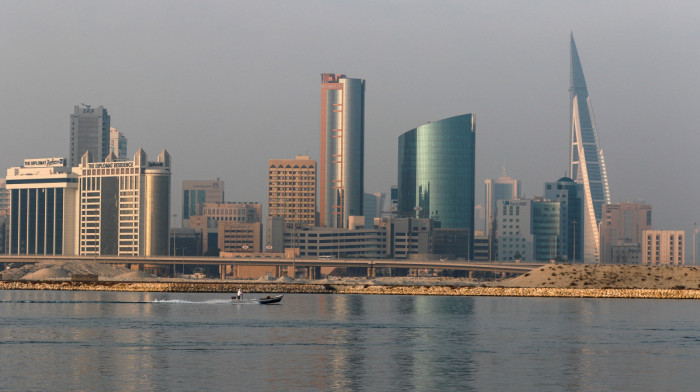
Saudi Arabia said it intercepted two Houthi ballistic missiles targeting Riyadh and three drones in its oil-rich Eastern Province on Sunday (15 November), as Iran's Revolutionary Guards claimed separate attacks on a U.S. military facility in Bahrain.
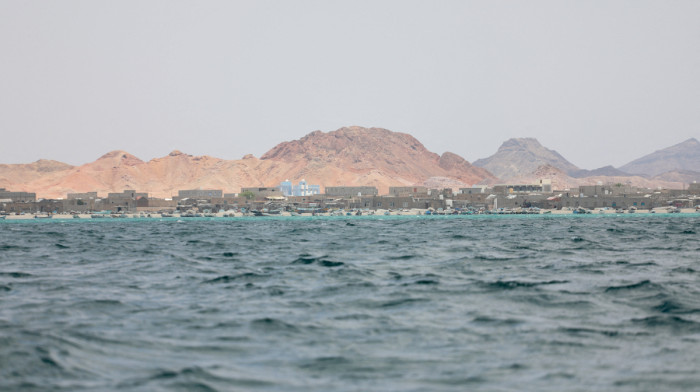
Yemeni forces fighting for the internationally recognised Saudi-backed government said on Sunday that they were withdrawing from an area overlooking the strategic Bab el-Mandeb Strait, leaving the Iran-aligned Houthis in control.
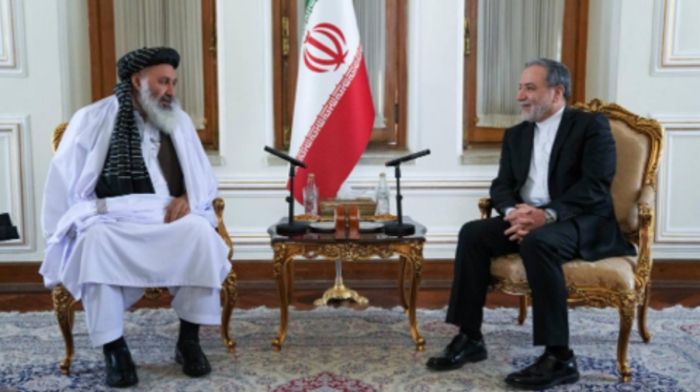
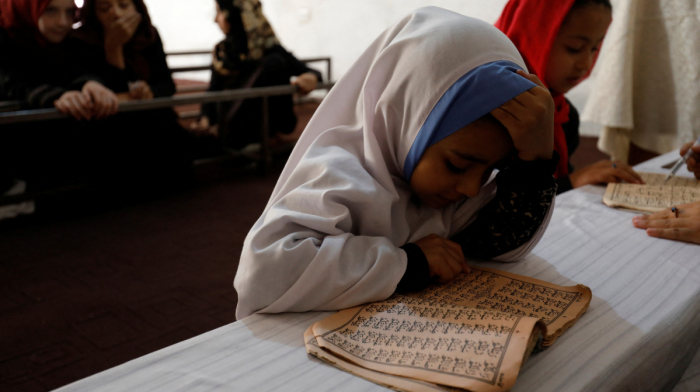
Afghanistan’s Ministry of Education has challenged a United Nations report on access to education, saying its findings do not reflect the full picture of the country’s education system.
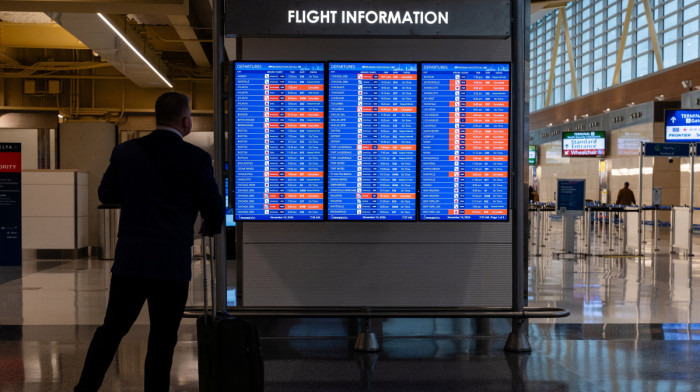
U.S. air travel is not expected to return to normal schedules until late on Sunday (15 November), the head of the FAA said, as the aviation system gradually recovers from a nationwide flight shutdown that officials blamed on routine maintenance gone awry.
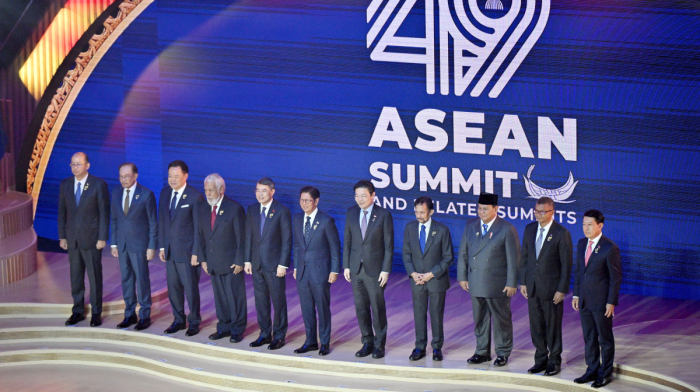
Southeast Asian leaders opened the 49th ASEAN Summit in Manila Sunday, with Myanmar's crisis, security and economic uncertainty dominating talks. Philippine President Ferdinand Marcos Jr. called for continued engagement with Myanmar and urged a stronger response to conflict and energy disruptions.
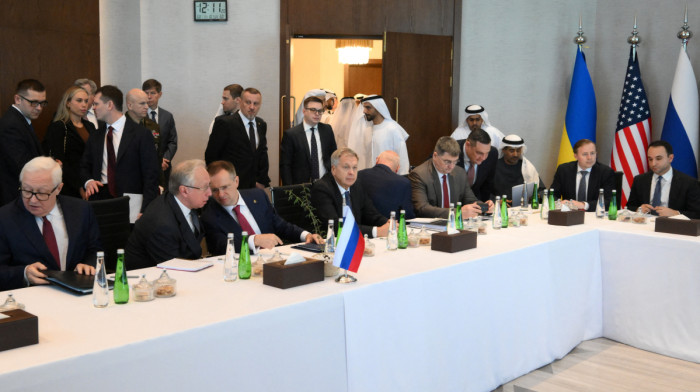
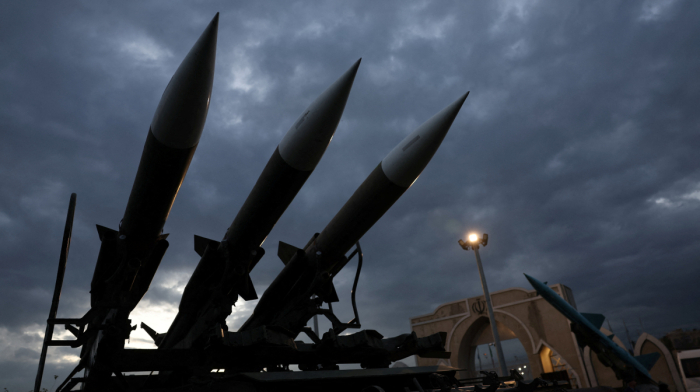
Russia has demanded that NATO halt military activity in Central Asia under sweeping security proposals put forward during talks on the war in Ukraine. The demands also cover Eastern Europe, the South Caucasus and Ukraine, according to The New York Times.
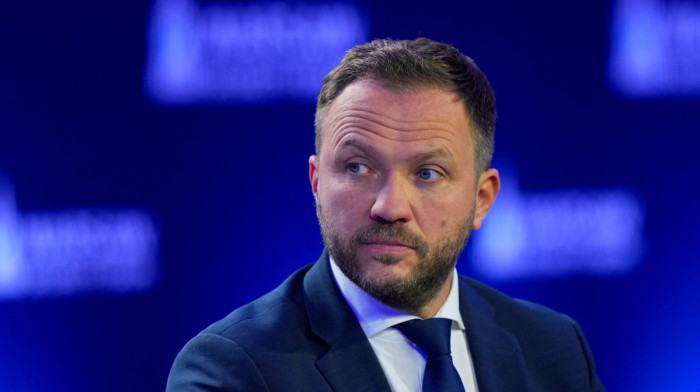
Estonia will close all three border crossings with Russia from 1 December after an alleged Russian military intelligence plot to set fire to an Estonian drone manufacturer. Eight people have been detained in connection with the attempted attack.
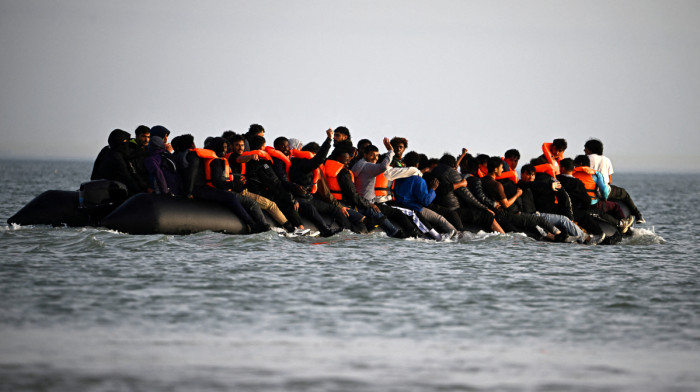
Five European countries are expected to unveil plans on Monday to establish a deportation centre in Rwanda for rejected asylum seekers, as EU governments face mounting pressure to tighten migration controls.
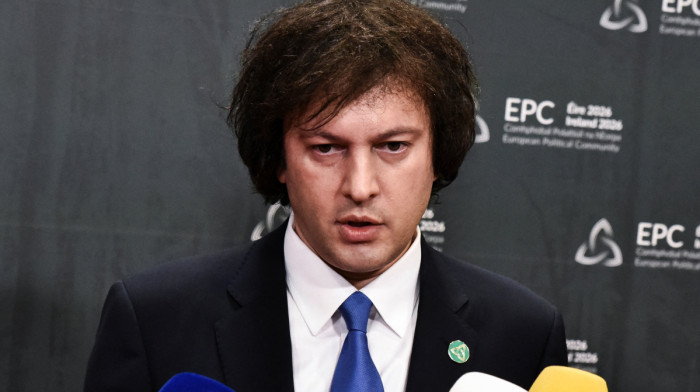
Russia and Georgia have resumed direct talks through newly appointed special representatives, with Moscow confirming that discussions will focus on trade, transport, tourism and cultural ties.
Iran and Oman have nearly finished a joint plan governing navigation through the Strait of Hormuz, an Iranian lawmaker said on Monday, as Tehran reported fresh explosions involving oil tankers in the strategic waterway.
You can download the AnewZ application from Play Store and the App Store.
What is your opinion on this topic?
Leave the first comment