Kazakhstan’s first Kurultai elected: what happens next?
Kazakhstan has elected its first unicameral Kurultai, bringing into force a sweeping political overhaul launched less than a year ago. The vote mar...
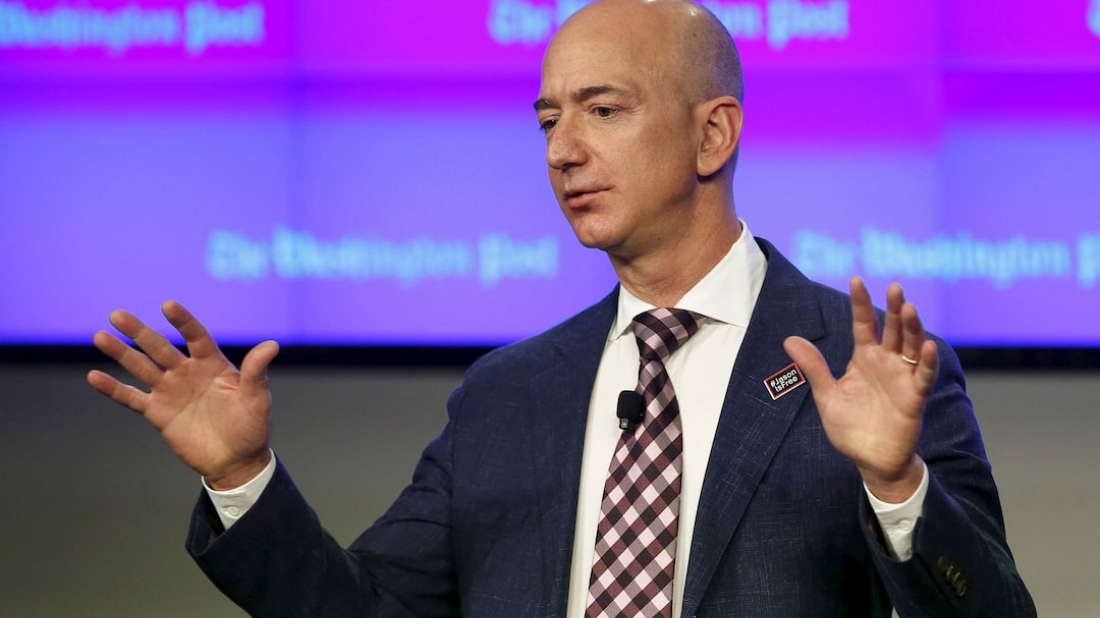
In a bold move to redefine its editorial stance, Jeff Bezos announced today an overhaul of the Washington Post’s Opinions section. The new direction will focus on "defending personal freedoms and free markets," a shift that Bezos said reflects the changing media landscape in the digital age.
Bezos argued that the traditional role of newspapers—to ensure a plurality of opinions—has diminished in importance now that the internet offers access to a vast array of viewpoints. “The internet already provides access to all viewpoints,” he stated, suggesting that newspapers must now concentrate on championing core values like individual liberty and market principles.
The announcement has already sparked significant changes within the organization. In response to the editorial shift, the head of the Opinions section has decided to step down from their position, marking a clear break from past practices. Details about the successor have not yet been disclosed.
The decision is expected to reshape the way the Washington Post presents its opinion content, aligning it more closely with a free-market ethos and a commitment to personal freedoms. Industry observers note that this change could signal a broader trend among traditional media outlets as they adapt to an increasingly fragmented and digitally dominated media environment.
As the Washington Post embarks on this new editorial journey, questions remain about how the shift will affect the newspaper’s overall readership and its role in shaping public discourse. For now, the move underscores a strategic reorientation at one of America’s leading news organizations, as it seeks to redefine its purpose in a rapidly evolving media landscape.

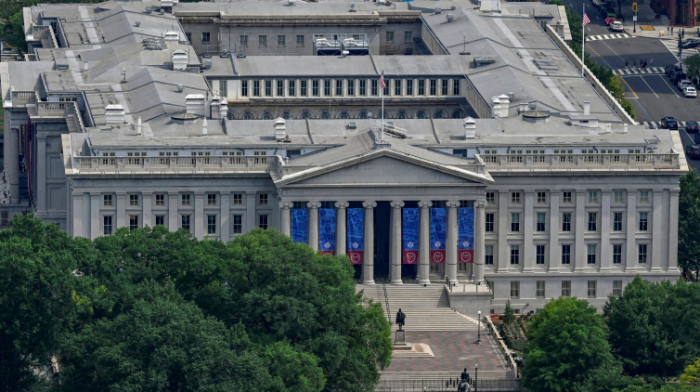
Iran on Saturday denounced U.S. plans to announce new sanctions that could put further strain on the Islamic Republic's economy and have an impact on its most important trading partners including China.
Ukraine’s President Volodymyr Zelenskyy said on Monday that Kyiv wants peace but will not surrender to Russia, as foreign leaders joined Independence Day events marking 35 years since Ukraine’s independence.
A newly created pro-government political party has secured a commanding victory in Kazakhstan's snap parliamentary election, according to exit polls, strengthening President Kassym-Jomart Tokayev's influence at a pivotal moment in the country's political transition.
Only four commodity vessels crossed the Strait of Hormuz on Sunday, following 13 transits a day earlier, as disruptions continue to restrict traffic through the key energy chokepoint.
Ukrainian President Volodymyr Zelenskyy has rejected calls for a wartime election, arguing that holding a vote while Russia's full-scale invasion continues would divide the country and undermine national unity.
Syrian and Israeli officials held U.S.-brokered talks in Jordan on Sunday to ease tensions after an Israeli strike on a Syrian airbase near Türkiye last week.
Kazakhstan has elected its first unicameral Kurultai, bringing into force a sweeping political overhaul launched less than a year ago. The vote marks a major step in implementing the country’s new Constitution.
Uzbekistan is looking to Singapore as it builds a fintech ecosystem designed to attract global investment, technology companies and talent.
Only four commodity vessels crossed the Strait of Hormuz on Sunday, following 13 transits a day earlier, as disruptions continue to restrict traffic through the key energy chokepoint.
Azerbaijan and Uzbekistan have moved to deepen their strategic partnership, with President Ilham Aliyev’s state visit focusing on political ties, education, culture and stronger links between Central Asia and the South Caucasus.
You can download the AnewZ application from Play Store and the App Store.
What is your opinion on this topic?
Leave the first comment