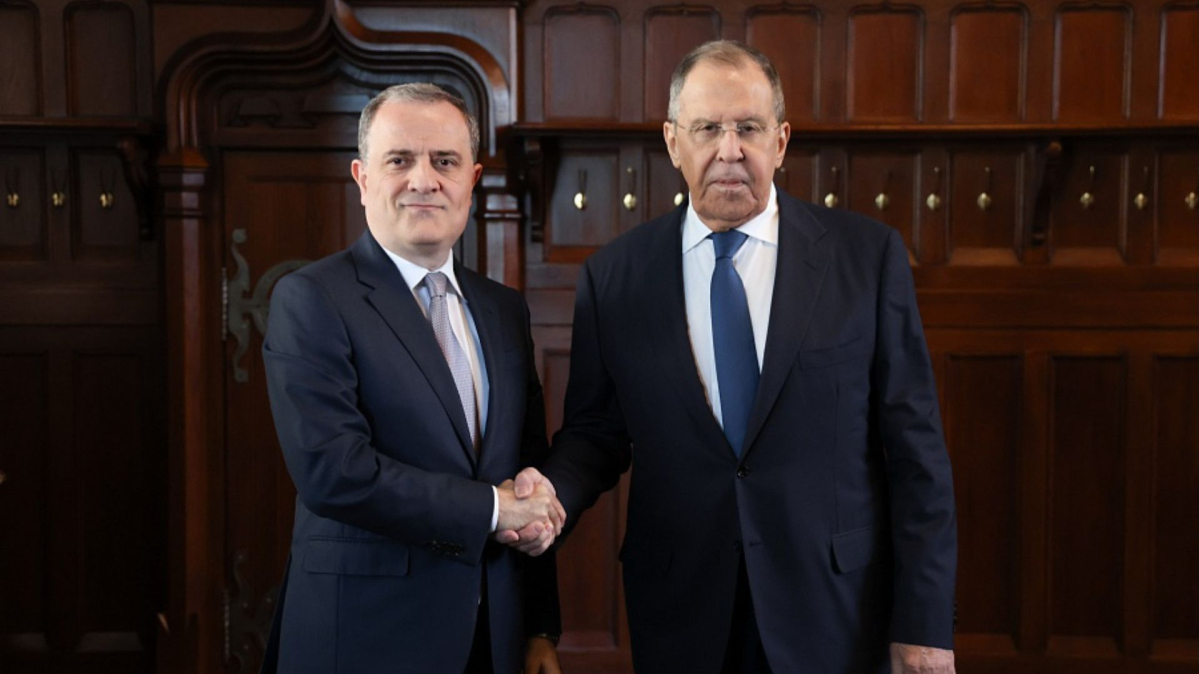
Russia and Azerbaijan have declared their bilateral relationship fully normalised after talks between Russian Foreign Minister Sergey Lavrov and Azerbaijani Foreign Minister Jeyhun Bayramov in Moscow. Both sides said they had "turned the page" on recent tensions and agreed to deepen cooperation.
Trade and transport cooperation
Speaking after the meeting, Bayramov said Azerbaijan and Russia had "turned the page" on a difficult period in bilateral relations.
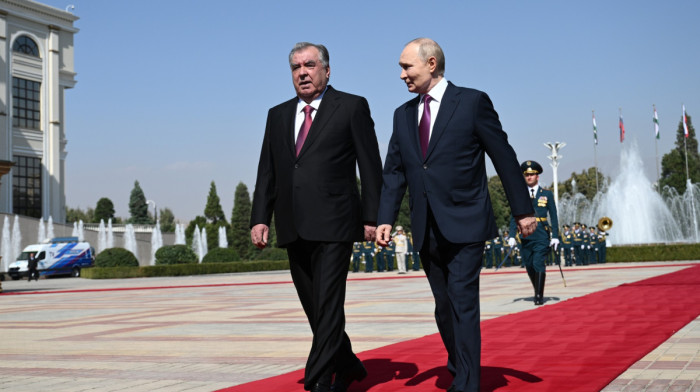
He credited the personal engagement of Azerbaijani President Ilham Aliyev and his Russian counterpart, Vladimir Putin, with restoring dialogue following their meeting in Dushanbe in October 2025.
Lavrov echoed the assessment, saying both countries recognised that previous difficulties were now behind them and had agreed to make up for the pause in relations over recent months.
The ministers reviewed the implementation of agreements reached by their presidents and signed a foreign ministry consultation plan for 2026–2027 aimed at expanding diplomatic coordination.
Economic cooperation featured prominently in the talks. Both sides highlighted bilateral trade of nearly $5 billion in 2025 while discussing ways to increase commerce and investment.
Lavrov said Russian investment in Azerbaijan totalled almost $11 billion, with more than 1,400 companies with Russian capital operating in the country.
The ministers also reaffirmed their support for developing the western branch of the International North–South Transport Corridor, describing transport connectivity as a strategic priority for both countries and the wider region.
Humanitarian ties and regional stability
Humanitarian cooperation was another key topic, with discussions covering education, culture and scientific collaboration.
Lavrov highlighted plans to establish a Russian-Azerbaijani university based on St Petersburg State University and noted that around 9,000 Azerbaijani students are currently studying in Russia.
On regional issues, Bayramov said the initialling of a draft peace agreement between Azerbaijan and Armenia had created a "unique opportunity" for lasting peace in the South Caucasus.
He said "peace de facto exists" between the two countries and argued that completing the remaining elements of the peace process would help establish long-term regional stability.
Lavrov reiterated Russia's support for the normalisation process between Azerbaijan and Armenia and said Moscow remained ready to assist both sides in reopening transport links and resolving humanitarian issues.
The Russian foreign minister also reaffirmed Moscow's backing for the regional 3+3 cooperation platform.
International agenda
The ministers also discussed developments in the Middle East and the war in Ukraine. Bayramov reiterated Azerbaijan's commitment to international law and called for de-escalation and a peaceful settlement of the conflict.
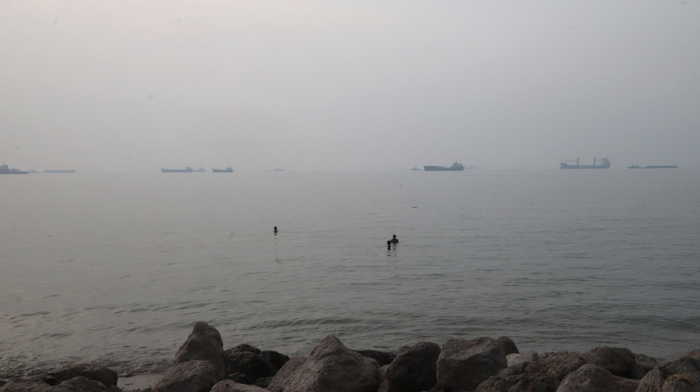
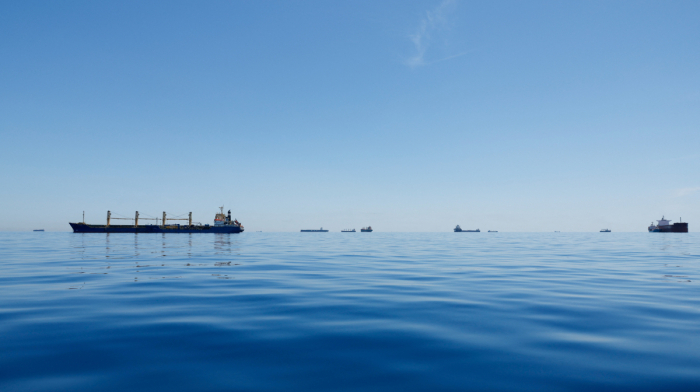
Environmental issues also featured prominently, with both sides expressing concern over the declining water level of the Caspian Sea.
They agreed on the need for joint scientific research and coordinated action by all five Caspian littoral states to address the ecological and socio-economic challenges posed by the decline.
Read more:











What is your opinion on this topic?
Leave the first comment