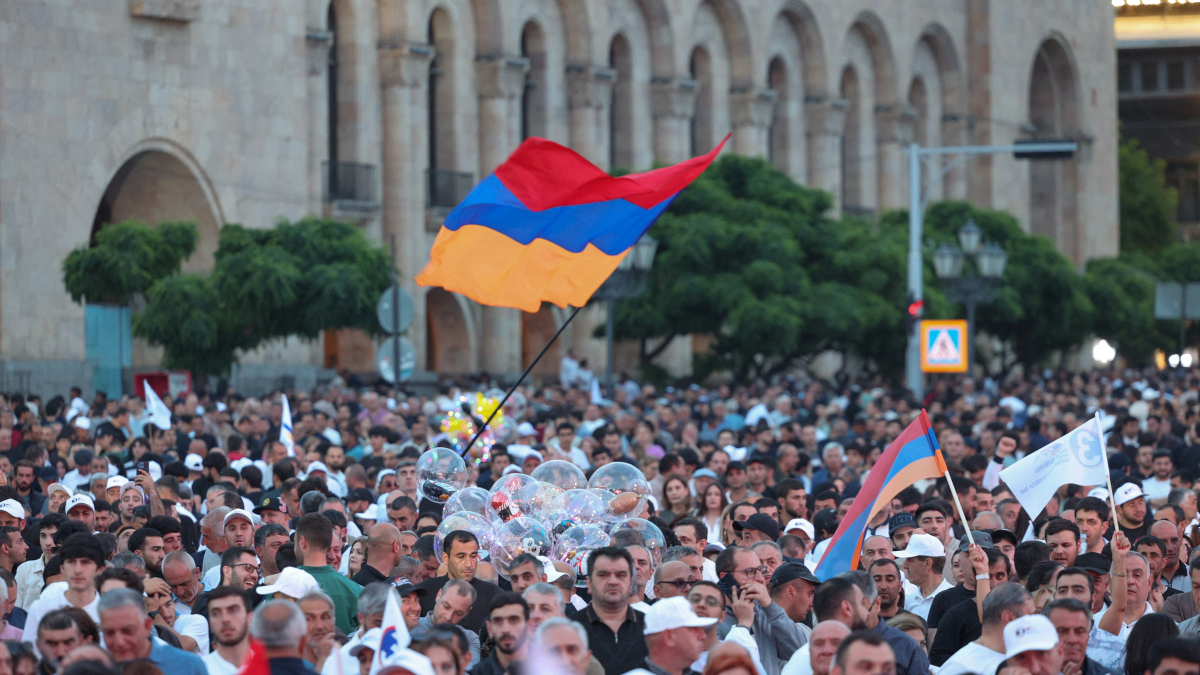
As Armenia heads towards its parliamentary elections on 7 June, attention is turning to the South Caucasus peace process and its future direction. Analysts say the vote could influence the region’s shift from post-conflict agreements towards longer-term cooperation and integration.
From post-conflict stability to positive peace
While a range of bilateral and multilateral frameworks has developed in recent years, the durability of peace is still seen as dependent on whether cooperation extends beyond diplomatic declarations into sustained economic and societal links.
Speaking to AnewZ, political scientist Farhad Huseynov described the current stage as both “a challenge and opportunity” for Azerbaijan, as efforts continue to shape what he termed a lasting peace that goes beyond the mere absence of conflict.
He distinguished between “negative peace” - defined as the absence of active conflict - and “positive peace”, which he said requires deeper structural transformation.
According to Huseynov, economic interdependence is already contributing to this process. Expanding transit routes, trade flows and infrastructure projects, he argued, are creating a “living reality” of regional connectivity that supports the development of positive peace.
However, the analyst stressed that economic factors alone are not sufficient, noting that long-term sustainability also depends on rebuilding social and institutional ties.
“Social ties were severed and now we’re trying to rebuild them,” he said, underlining the need to restore everyday human and institutional connections.
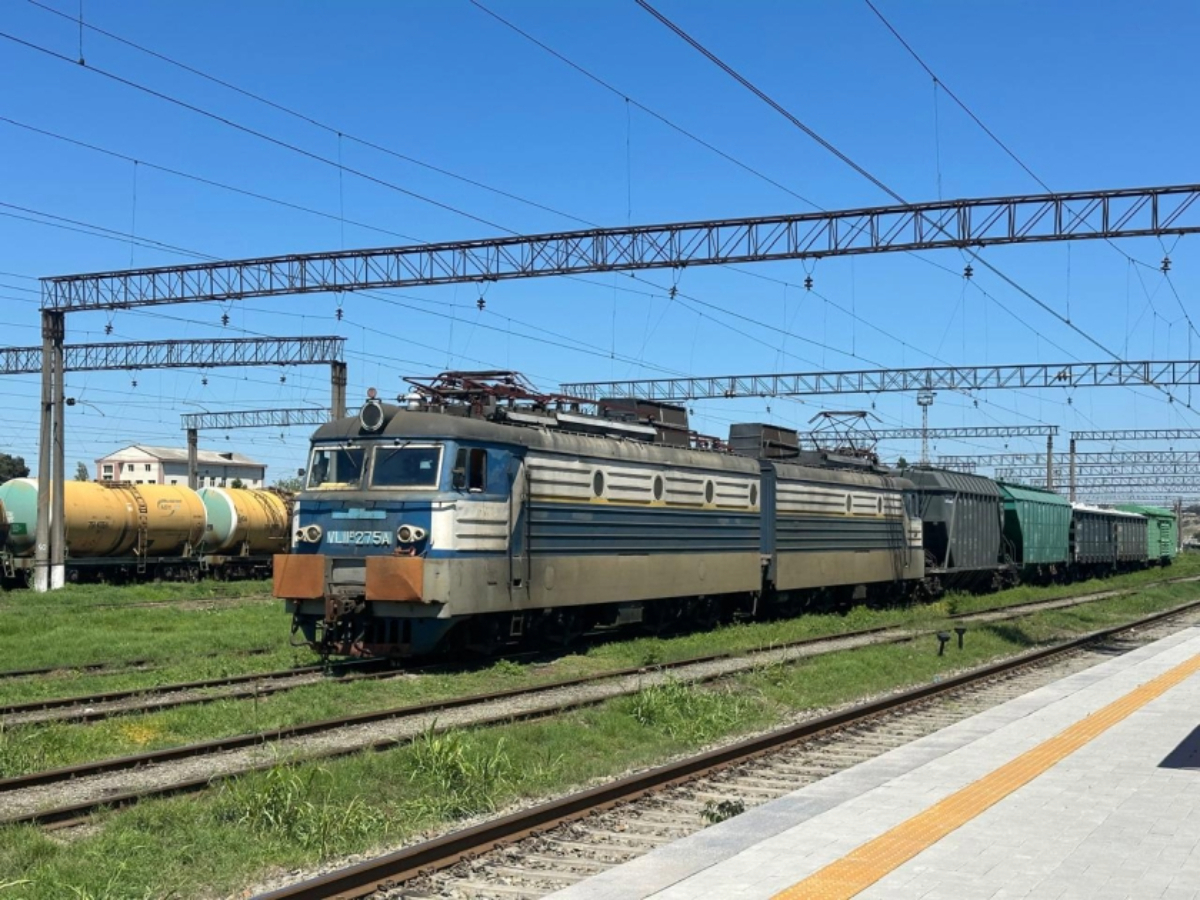
Another shipment from Russia to Armenia was carried out in transit through Azerbaijani territory on 1 June 2026.
Institutional frameworks and cooperation
Placing the South Caucasus in a broader historical context, Huseynov pointed to the European Union as an example of post-war integration, noting that it was created “to help Europeans live together after the devastating Second World War.”
Similar logic, he suggested, could be relevant for regional cooperation in the South Caucasus, provided political will exists among local actors.
Vision for a more integrated region
At the institutional level, the analyst argued that existing bilateral mechanisms and negotiation formats are largely sufficient, as long as they remain focused on their core purpose of facilitating cooperation.
Looking ahead, Huseynov outlined a broader vision of an “integrated South Caucasus,” potentially evolving into a more interconnected regional model over time.
Uzbekistan summoned Iran’s ambassador following claims by several Iranian diplomatic missions that the historical and architectural heritage of Samarkand belongs to Persian or Iranian-Islamic civilisation, Tashkent's Foreign Ministry said.
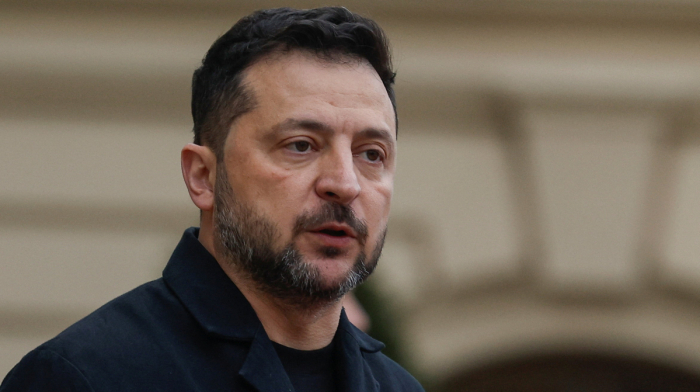
Russian strikes hit several parts of Ukraine overnight, injuring at least six people and targeting energy and port infrastructure, as President Volodymyr Zelenskyy said U.S. warnings about imminent Russian ballistic missile attacks had resumed.
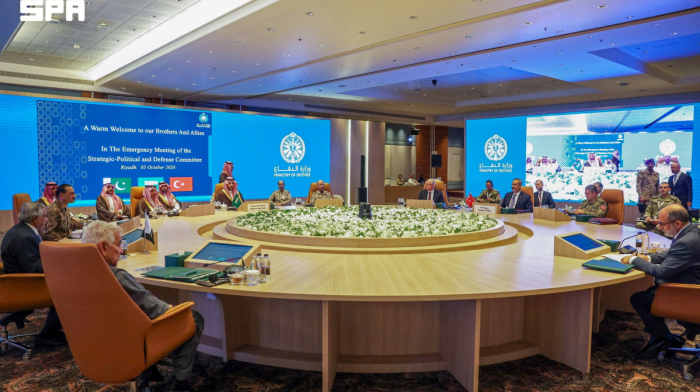
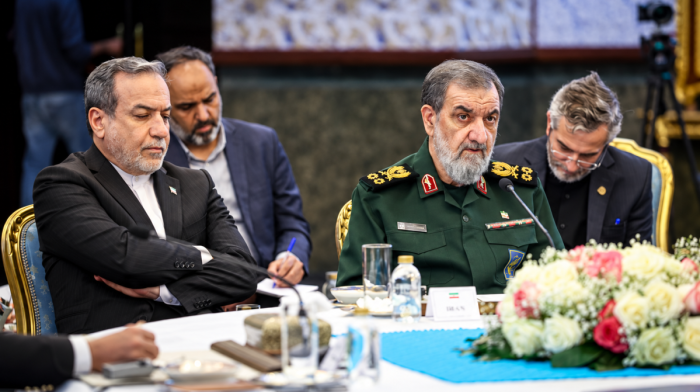
Iran's Supreme National Security Council says senior officials from Saudi Arabia, Pakistan and Türkiye will travel to Tehran to discuss regional security.
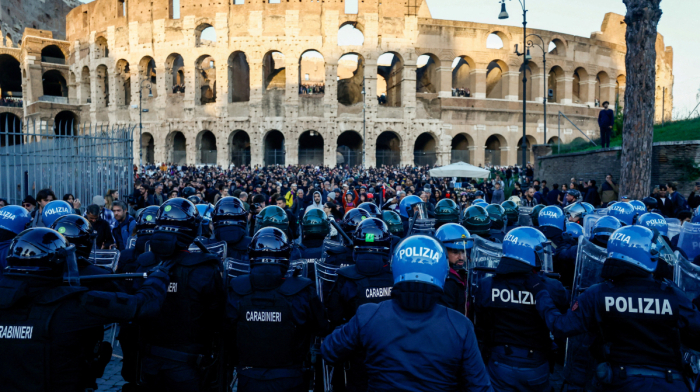
Protests against war and rising living costs took place in major Italian cities on Saturday, with some incidents of violence and clashes, a week after unrest erupted across the country.
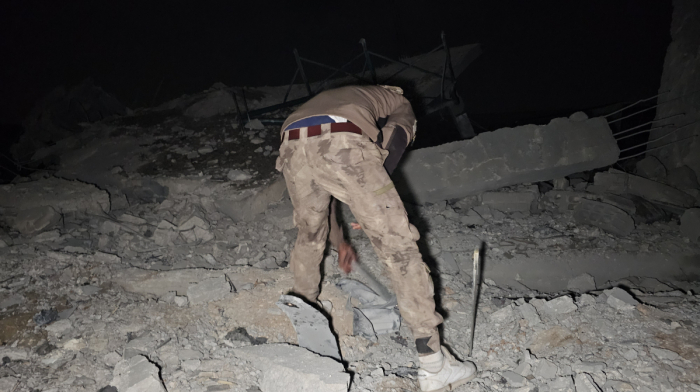
Syria has formally protested to Jordan over airstrikes carried out in the southern province of Daraa, saying the operation was conducted without prior coordination and resulted in civilian casualties, including children.
Iran hosted senior security and defence officials from Saudi Arabia, Pakistan and Türkiye in Tehran on Monday for rare four-way talks aimed at strengthening regional cooperation amid escalating tensions in the Middle East.
A new $500 million private equity fund is being set up to support business growth across Central Asia and the Caucasus, with Uzbekistan joining five other institutions as a founding partner.
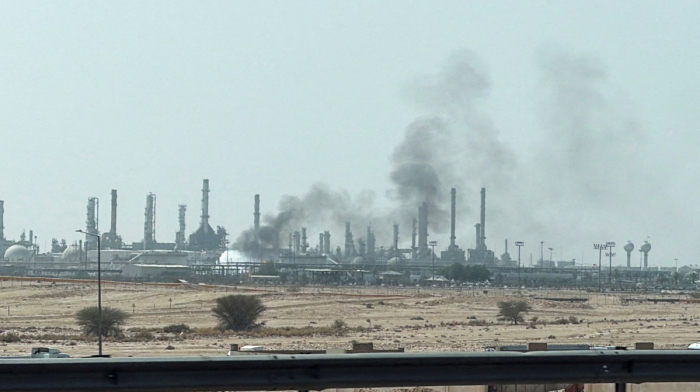
Yemen’s Iran-aligned Houthis said on Monday they had targeted Saudi Arabia’s East-West oil pipeline pumping stations and King Khalid International Airport in Riyadh, as regional tensions intensified. The Saudi-led coalition said it had intercepted a ballistic missile heading towards the capital.
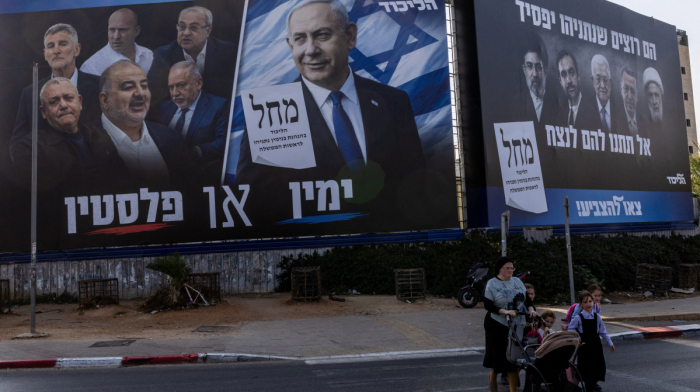
Israeli Prime Minister Benjamin Netanyahu faces a tightening election race as his rivals struggle to find a clear path to power, despite polls previously suggesting he was heading for defeat.
Download the AnewZ app
You can download the AnewZ application from Play Store and the App Store.















What is your opinion on this topic?
Leave the first comment