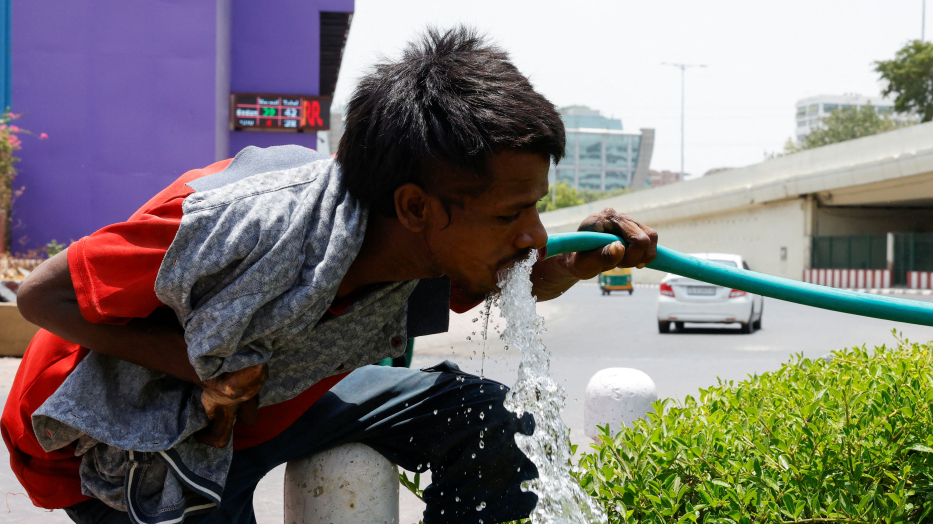
Parts of India are facing power cuts as record-breaking heat has driven electricity demand to more than 270 gigawatts, prompting the government to urge consumers to limit usage.
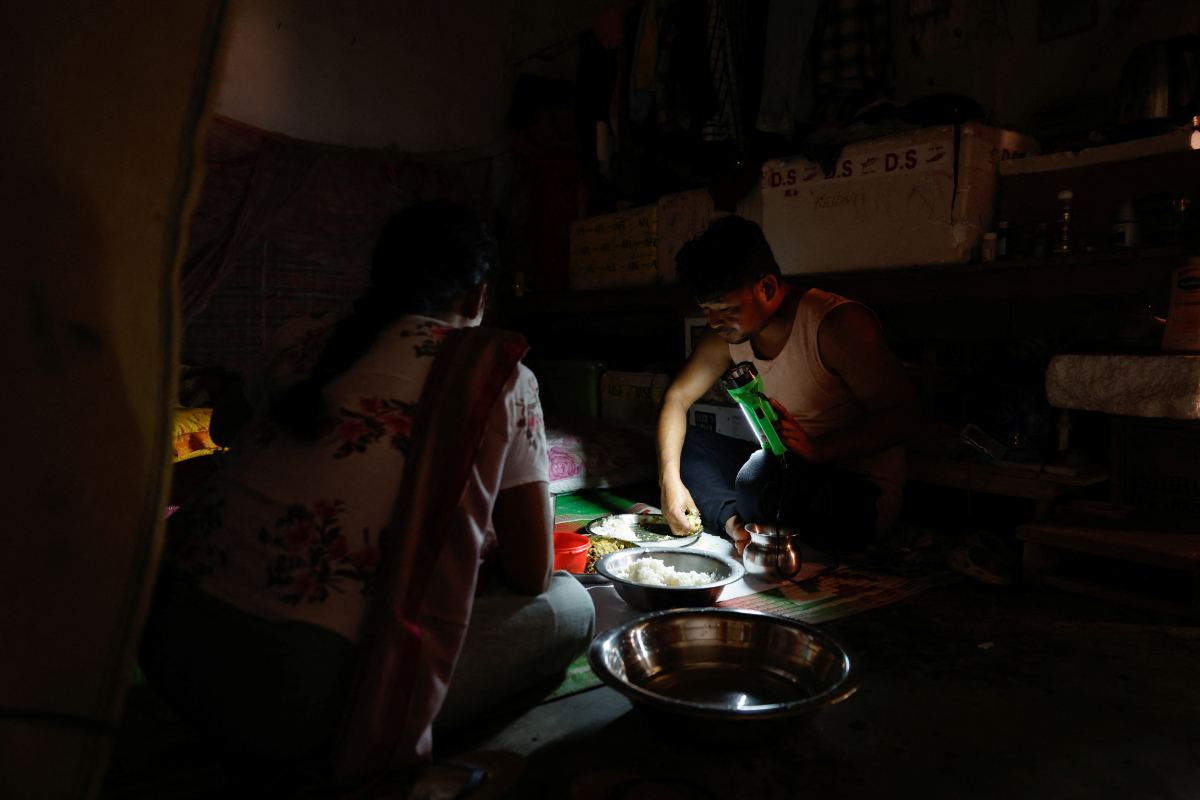
In the southern city of Chennai, residents reported repeated outages lasting between 40 minutes and an hour overnight, affecting both households and businesses.
“South Chennai has seen frequent power cuts over the past two days, with outages at short intervals,” said resident R. Hari, adding that the disruptions had made it difficult to work from home.
India’s national grid operator, Grid-India, said the peak power deficit reached around 2.57 gigawatts late on Thursday evening.
In a statement, the power ministry acknowledged the strain on the system, urging the public to “use electricity wisely and judiciously” during the intense summer heat.
Heatwave strains power system
The surge in demand comes as an El Niño weather pattern brings above-average temperatures across much of the subcontinent.
Power shortages are particularly acute during the evening, when electricity supply relies heavily on thermal and hydropower generation. During the day, solar power helps meet part of the demand.
Experts say rising temperatures, including increasingly hot nights, are placing growing pressure on India’s energy infrastructure.
Disha Aggarwal of the Council on Energy, Environment and Water said the country must urgently expand battery storage capacity to store surplus solar energy for use after sunset.
Weather authorities have forecast “heatwave to severe heatwave conditions” in New Delhi and across large parts of northern and eastern India through late May.
Residents in the capital and nearby Noida have also complained of overnight outages, while protests have been reported in the eastern state of Odisha amid prolonged power cuts.
What is El Niño and why does it matter?
El Niño is a natural climate pattern marked by unusually warm sea surface temperatures in the central and eastern Pacific Ocean.
According to the United Nations’ World Meteorological Organisation (WMO), it occurs irregularly every two to seven years and disrupts global weather systems, influencing rainfall, wind patterns and temperatures across large parts of the world.
The phenomenon typically has a warming effect on global temperatures and is linked to an increased likelihood of extreme weather events.
For India, El Niño is particularly significant because of its impact on the monsoon. It is often associated with weaker rainfall and higher temperatures, conditions that can contribute to prolonged heatwaves and water stress.
India’s weather authorities have also found that during past El Niño events, heatwaves have tended to last longer, occur more frequently and cover wider areas, increasing pressure on infrastructure and public health systems.
The WMO has warned that Asia is warming faster than the global average, a trend that is contributing to more frequent and intense heatwaves across the region





















What is your opinion on this topic?
Leave the first comment