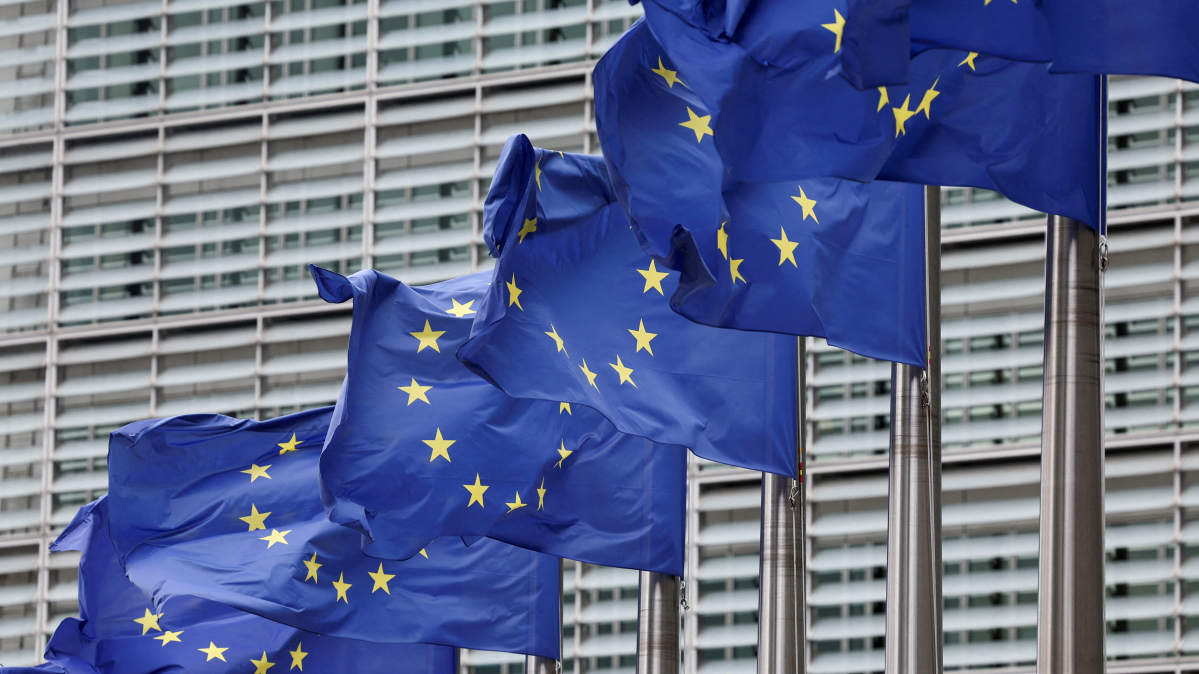
Georgia and the European Union have held their first working-level talks in Brussels following the EU's decision to suspend visa-free travel for holders of Georgian diplomatic, service and official passports.
The move marks a rare and significant shift for the bloc, from monitoring a candidate country's reforms to actively withdrawing one of the benefits linked to them.
The meeting, held on 11 June between a Georgian delegation and representatives of the European Commission, was described by both sides as the opening session of an in-depth dialogue required under EU visa regulations once a suspension mechanism has been triggered.
According to the EU Delegation to Georgia, the process follows a decision taken in March 2026, when member states agreed to suspend visa-free travel for holders of these passports for an initial period of 12 months.
Reasons for the suspension
The EU Delegation said the suspension was based on Georgia's failure to meet commitments made under the visa-free regime, particularly in the areas of democracy and fundamental rights.
The Brussels meeting was intended to address the circumstances behind that decision.
Georgian Foreign Minister Maka Bochorishvili told journalists that the meeting gave the Georgian side an opportunity to set out its position on each issue raised by the European Commission in connection with the suspension.
She described it as the first in a series of expected sessions, focused mainly on an exchange of information rather than a discussion of next steps.
Georgia's response
Bochorishvili said Georgia hopes the European Union will give greater weight to what she called the legitimate arguments and positions presented by the Georgian side, adding that the country expects the dialogue to continue.
Earlier, Georgia's Ministry of Foreign Affairs said the European Commission's assessment underpinning the suspension was based on a report it considers one-sided, while stressing that Georgia's laws guarantee fundamental rights, including freedom of expression and assembly.
The ministry also pointed to ongoing efforts on judicial reform, anti-corruption measures and migration cooperation with the EU.
Neither side indicated when the next round of talks would take place.













What is your opinion on this topic?
Leave the first comment