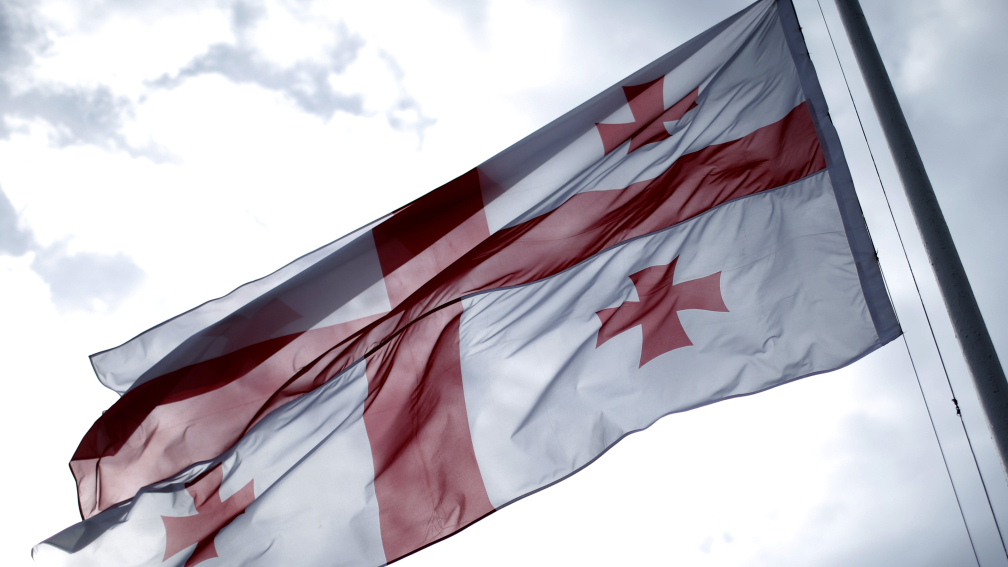
The U.S. Helsinki Commission is set to refocus attention on Georgia’s domestic political crisis and its faltering relationship with Washington with a 11 February briefing titled “Georgian Dream’s Growing Suppression of Dissent.”
According to the Commission, Georgia is facing its most serious human rights and rule-of-law challenges since independence, following mass anti-government protests that began in October 2024. The demonstrations were triggered by Georgian Dream’s passage of restrictive legislation, including laws on “foreign influence”, grants and public assembly, which critics argue undermine media freedom, civil society and judicial independence. The unrest has continued for months, marked by arrests, fines and criminal cases against protesters, journalists and opposition figures.
The U.S.-Georgia strategic partnership was effectively suspended by Washington in 2024 after U.S. officials cited democratic backsliding and the erosion of civil liberties. Georgian authorities reject this assessment, insisting the legislation is necessary to protect sovereignty and constitutional order, and accusing Western actors of political interference.
In announcing the 11 February briefing, the Helsinki Commission said Georgian Dream has passed more than 20 laws expanding state power, weakening judicial independence and restricting dissent. The Commission cites frozen NGO bank accounts, imprisoned journalists and criminal prosecutions of opposition figures as evidence of a systemic crackdown.
Tensions with Washington and competing narratives
The hearing was originally scheduled for 28 January but was postponed due to severe weather. In the interim, Georgian Dream officials openly criticised the Commission, questioning its impartiality and credibility. Parliamentary Speaker Shalva Papuashvili specifically objected to the inclusion of a panellist, Laura Thornton, known for public anti-Trump positions, arguing that selecting such a speaker already undermined the briefing’s credibility in the eyes of the Trump administration, a claim not echoed by U.S. officials.
Despite these objections, the briefing is proceeding as planned, signalling continued U.S. attention to developments in Georgia. The Commission says the session will assess the human rights situation, the tools used to suppress dissent and potential paths forward, without presuming outcomes.
The event also underscores a widening narrative gap between Tbilisi and Western institutions. While Georgian Dream portrays itself as defending constitutional order and free debate, U.S. and European bodies increasingly frame recent developments as democratic regression.
Georgian officials meanwhile continue to express readiness to “reset” relations with Washington under the Trump administration, a process that for now appears to consist mainly of optimistic interpretations of brief handshakes with U.S. officials at the Winter Olympics opening ceremony, unaccompanied by any U.S. acknowledgement.
With no formal signs of rapprochement and the Helsinki Commission moving forward with its assessment, the 11 February briefing is likely to deepen scrutiny of Georgia’s democratic trajectory and further test already fragile ties with the United States.


















What is your opinion on this topic?
Leave the first comment