Azerbaijan is commemorating the 36th anniversary of the events of 20 January 1990, known as Black January, one of the most defining and painful chapters in the country’s modern history.
On that night, Soviet troops moved into Baku, using force against civilians in an attempt to suppress mounting demands for political freedom.
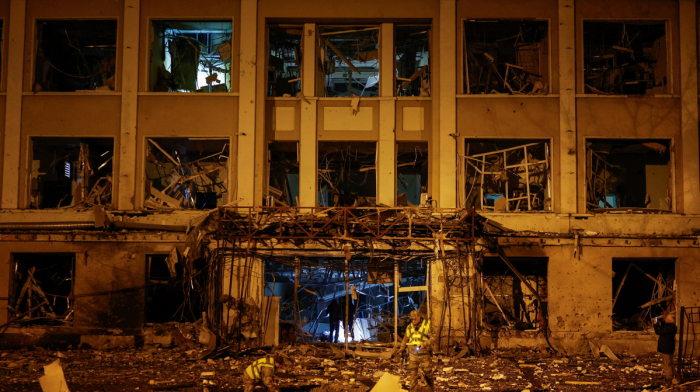
147 people were killed and hundreds injured as security forces moved to crush mass protests driven by calls for sovereignty and self-determination. Those killed included women, children and elderly residents. The operation left widespread destruction, with homes, vehicles and public infrastructure damaged as armoured units advanced through residential areas.
The crackdown came after months of escalating tension in the final phase of the Soviet Union. Public anger in Azerbaijan had been building over political repression, the use of force against civilians and unresolved regional disputes. Rather than restoring order, the intervention shocked society, hardened public resolve and transformed the independence movement into a unified national cause.
Less than two years later, on 18 October 1991, Azerbaijan formally restored its independence. National leader Heydar Aliyev publicly condemned the operation shortly after the events, describing it as a grave injustice and calling for a political and legal assessment of those responsible. In 1994, Azerbaijan’s parliament formally recognised the events of 20 January as an act of military aggression and a crime committed against the Azerbaijani people.
The events in Baku were not isolated. Similar Soviet military interventions had taken place across the former USSR and Eastern Europe, where force was repeatedly used to suppress movements demanding political reform, national rights and independence. From Hungary in 1956 to Czechoslovakia in 1968, Georgia in 1989 and Lithuania in 1991, unarmed civilians were confronted by Soviet troops.
Black January is widely regarded as the moment when the human cost of the struggle for independence became undeniable, marking a decisive turning point in the country’s modern history.
As part of the commemoration, thousands of people visit Martyrs’ Alley each year to pay tribute to those who lost their lives.
A nationwide moment of silence is observed, with flags lowered and sirens sounding across the country. More than three decades on, Black January remains a powerful symbol of loss and resilience, continuing to shape Azerbaijan’s national memory and its path as an independent state.








What is your opinion on this topic?
Leave the first comment