As global leaders gather in Davos this week to discuss the future of international cooperation, security and economic power, Georgia is once again absent from the table.
The country will not be represented at the World Economic Forum in 2026, marking its second consecutive absence at a time of significant geopolitical change. The situation has drawn attention to growing questions over the gap between the Georgian government’s stated foreign policy goals and its diplomatic reality.
Georgia last took part in Davos in 2024.
In 2025, officials said participation in the forum was not a priority. That explanation now contrasts with repeated statements about the need to renew engagement with the United States and deepen ties with Western partners.
Mixed signals on foreign policy
The timing of Georgia’s absence is notable. Speaking last week at Abu Dhabi Sustainability Week, Prime Minister Irakli Kobakhidze said integration with the European Union remained the country’s top priority.
However, Georgia’s continued absence from key Western political platforms, including Davos, has raised questions about consistency between rhetoric and diplomatic action.
Davos 2026 is seeing record levels of government participation, particularly from Europe and North America. The forum also serves as a hub for informal diplomacy, strategic messaging and alliance-building, opportunities Georgia will miss.
Isolation by absence
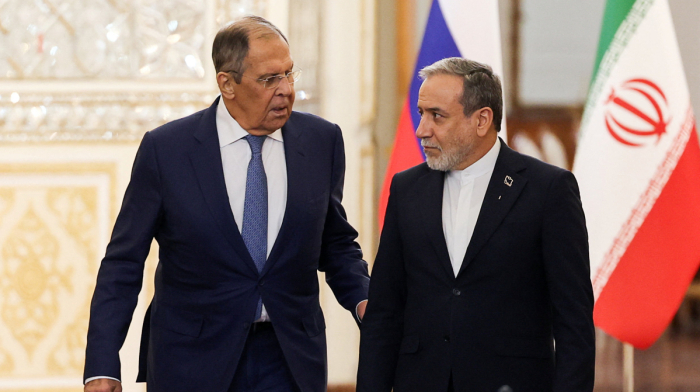
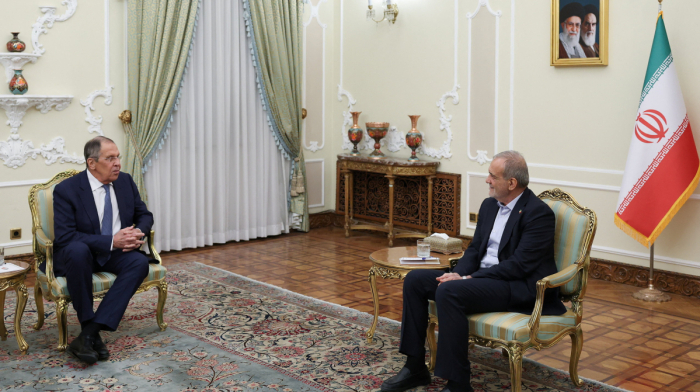
Political analysts often argue that isolation is not always formally declared but can be inferred through absence. At a time when Russia and Iran are strengthening cooperation and global power balances are being reassessed, Georgia’s limited presence at major Western forums may weaken its visibility and ability to communicate its strategic intentions directly.
The World Economic Forum promotes dialogue, inclusion and multilateral engagement. Georgia’s repeated absence from such platforms risks reinforcing perceptions of growing political distance from the West, regardless of official assurances.
While the Georgian government insists its foreign policy direction remains unchanged, Davos offers a different signal.
As world leaders debate the future of security, sovereignty and cooperation in Switzerland, Georgia remains outside the conversation, a silence that may carry more weight than official statements.














What is your opinion on this topic?
Leave the first comment