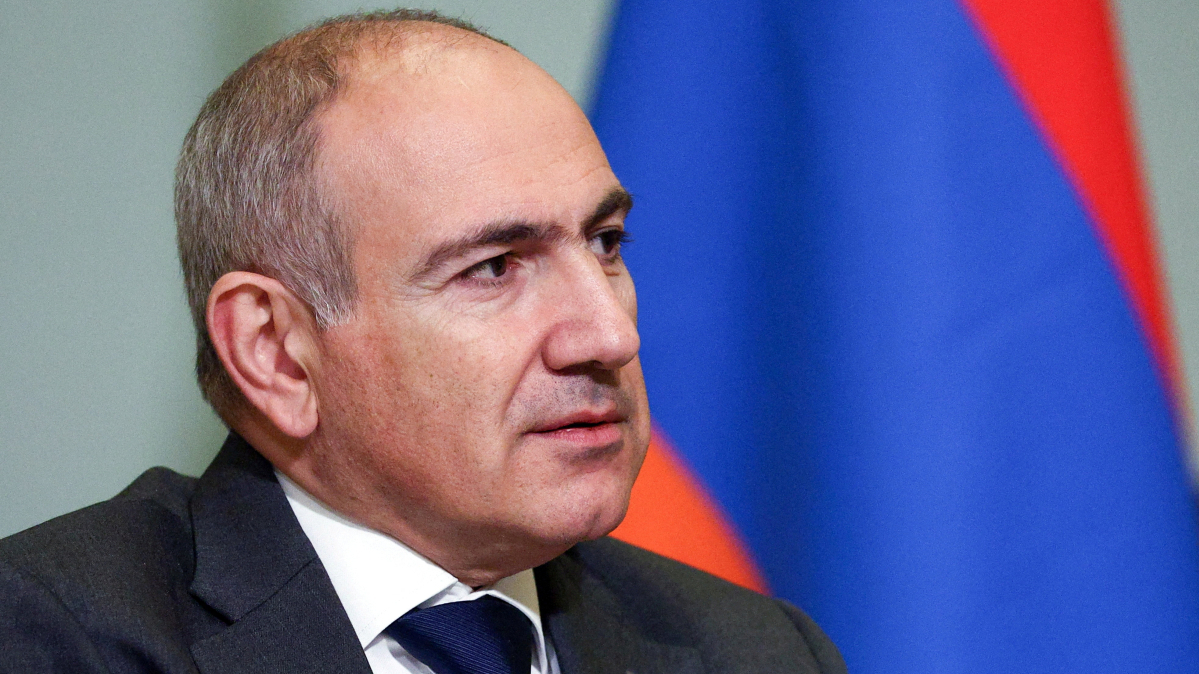
Armenian Prime Minister Nikol Pashinyan has formally asked Russia to take a decision on restoring strategic railway sections linking Armenia to the borders of Azerbaijan’s Nakhchivan exclave and Türkiye, as part of broader efforts to reopen transport corridors in the South Caucasus.
Pashinyan said the issue has been raised at the highest political levels, including in discussions with Russian President Vladimir Putin and senior government officials.
“I have asked our Russian partners to urgently address the full restoration of the railway from Yeraskh to the Nakhchivan border and from Akhurik to the Turkish border,” he told journalists.
The Armenian PM added that if Russia is unable to carry out the work, Armenia would consider reclaiming control of those sections and completing the restoration independently.
Russia has been operating Armenia's railway system since 2008, after a 30-year concession agreement was signed. The agreement marked the establishment of South Caucasus Railway CJSC (owned by Russian Railways) which is the sole railway system in Armenia to this day.
The system spans about 780 kilometres of track, all built to the Russian gauge standard.
Restoring these rail links would mark a significant milestone in reopening transport and trade routes that have been largely dormant since the early 1990s.
The prime minister said the timeframe for restoration work is pressing, noting that a framework agreement between Armenia and the United States on the implementation of the Trump Route for International Peace and Prosperity (TRIPP) project creates momentum for reinvigorating regional connectivity.
“The appropriate time is now, and our desire is for this to be done now,” Pashinyan said, adding that processes are under way and would be communicated publicly.
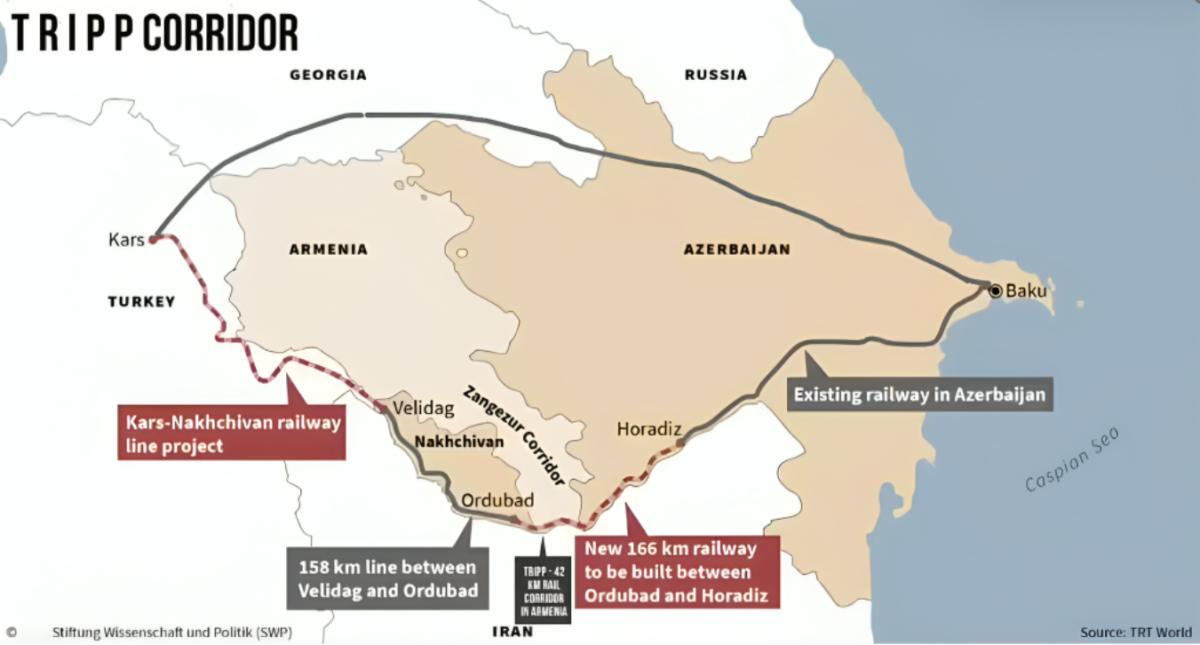
Under the TRIPP project, envisaged as part of a broader initiative to normalise relations between Armenia and Azerbaijan and open transport links, a logistics corridor through southern Armenia would connect mainland Azerbaijan with its Nakhchivan exclave and Türkiye.
The project also involves the restoration of a 99-kilometre railway section in Armenia.
The Armenian Prime Minister reiterated the project’s broader aim, to establish a new Asia–Europe transit route under U.S. oversight.
According to him U.S. investments in the preparatory phase of the TRIPP project will amount to $140 million.












What is your opinion on this topic?
Leave the first comment