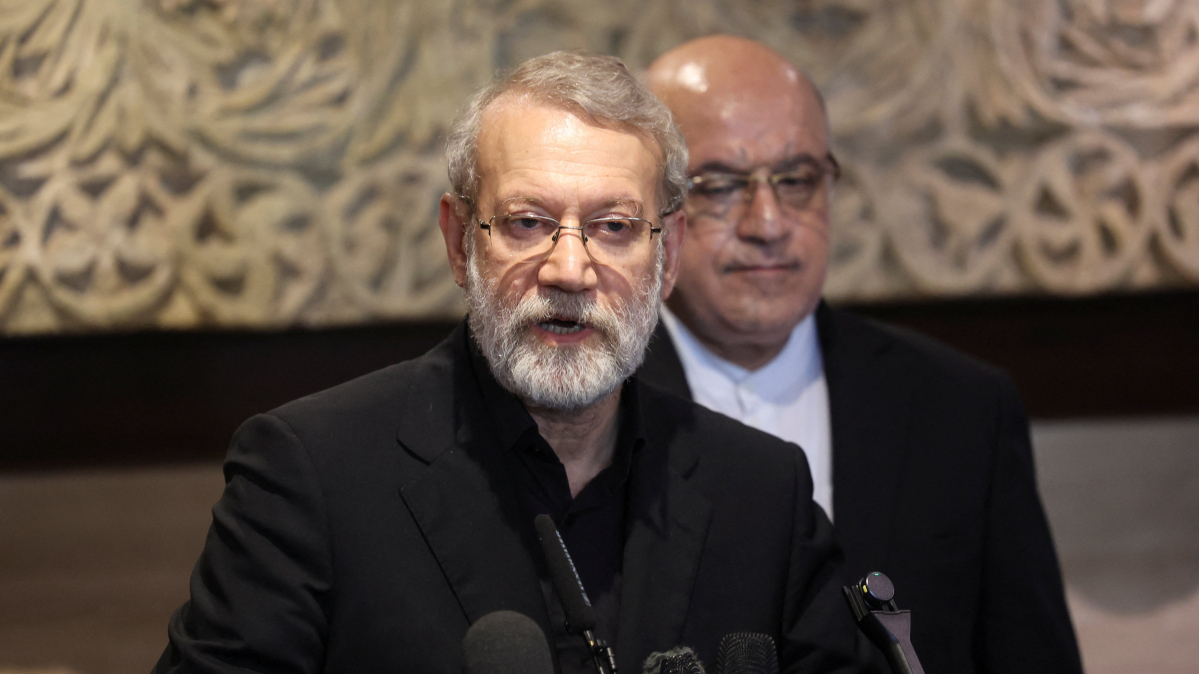
Ali Larijani, a senior Iranian official and adviser to the supreme leader, has said recent protests amount to a security crisis directed from abroad, warning that the aim is to polarise society and weaken national unity at a moment of heightened confrontation.
The comments come as protests continue in several cities, with rights groups saying dozens of people have been killed over nearly two weeks. Authorities have imposed an internet blackout, saying the decision was taken by security bodies under prevailing conditions, sharply limiting information flowing out of the country.
Larijani said Iran was operating in conditions of neither peace nor ceasefire and argued that creating a new internal crisis in such circumstances was “irrational” and externally driven.
He said adversaries had tried to draw people into the streets during a recent 12-day period of military operations but failed, prompting what he described as a shift towards tactics designed to erode social cohesion.
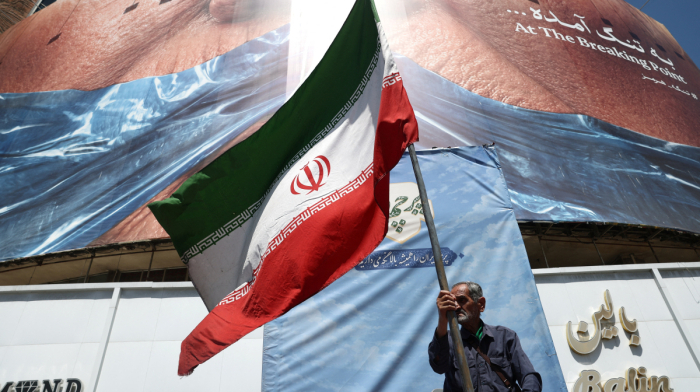
Larijani said the latest unrest had targeted symbols of Iran’s national and religious identity, including the flag, mosques and the Quran, which he described as evidence that the events went beyond economic grievances.
He questioned why shops were looted and set on fire if the protests were purely about living conditions, arguing that insecurity only deepens economic problems rather than solving them.
He described those involved in the violence as what he called an organised urban quasi-terrorist group and said security agencies had identified key organisers, with some already arrested.
Larijani mentioned weapons such as G3 and Colt rifles had appeared at protest scenes, according to security agencies, indicating prior planning and coordination. He added that rapid movements towards military and law enforcement centres to seize weapons were signs of an attempt to provoke civil war.
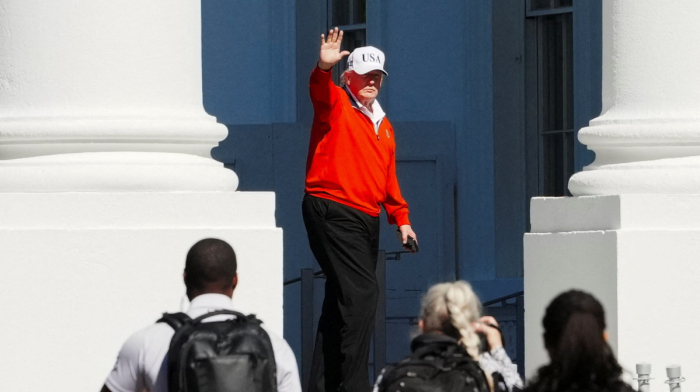
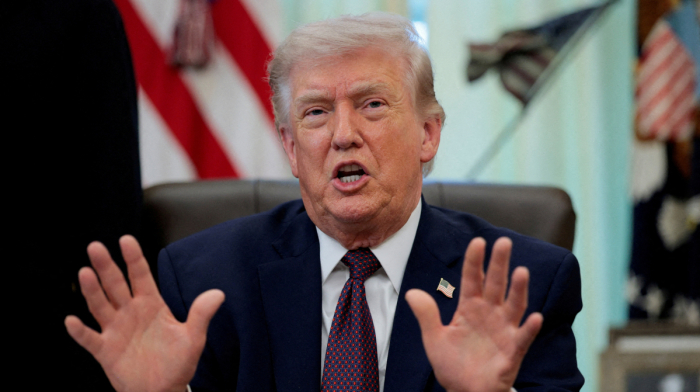
International reactions have also intensified. In Washington, Donald Trump issued a fresh warning to Iran’s leaders as videos showed demonstrations and clashes, saying the U.S. would respond if protesters were fired upon. He also indicated he was not inclined to meet exiled opposition figure Reza Pahlavi, suggesting caution over backing an alternative leadership.
Iran’s Supreme Leader Ali Khamenei has accused demonstrators of acting on behalf of opposition groups abroad and the United States, vowing not to back down. Prosecutors have warned that those involved in sabotage or violent clashes with security forces could face the death penalty.
France, Britain and Germany have issued a joint statement condemning the killing of protesters and urging restraint, while the United Nations said it was disturbed by the loss of life and reiterated the right to peaceful protest.
Larijani acknowledged that economic problems exist and must be addressed, but said the solution was not chaos and insecurity.
Larijani said Iran’s armed forces were fully prepared, but called for clarity and restraint to prevent street clashes, stressing that those on both sides were “children of Iran”.
He accused Iran’s enemies of deliberately seeking to polarise society, but said the country had repeatedly shown that when its existence is at risk, national solidarity prevails.










What is your opinion on this topic?
Leave the first comment