Tajikistan boosts Central Asian fuel imports as Russian supplies dwindle
Tajikistan tripled fuel imports from neighbouring Central Asian countries in July after deliveries from Russia declined sharply, underscoring how disr...
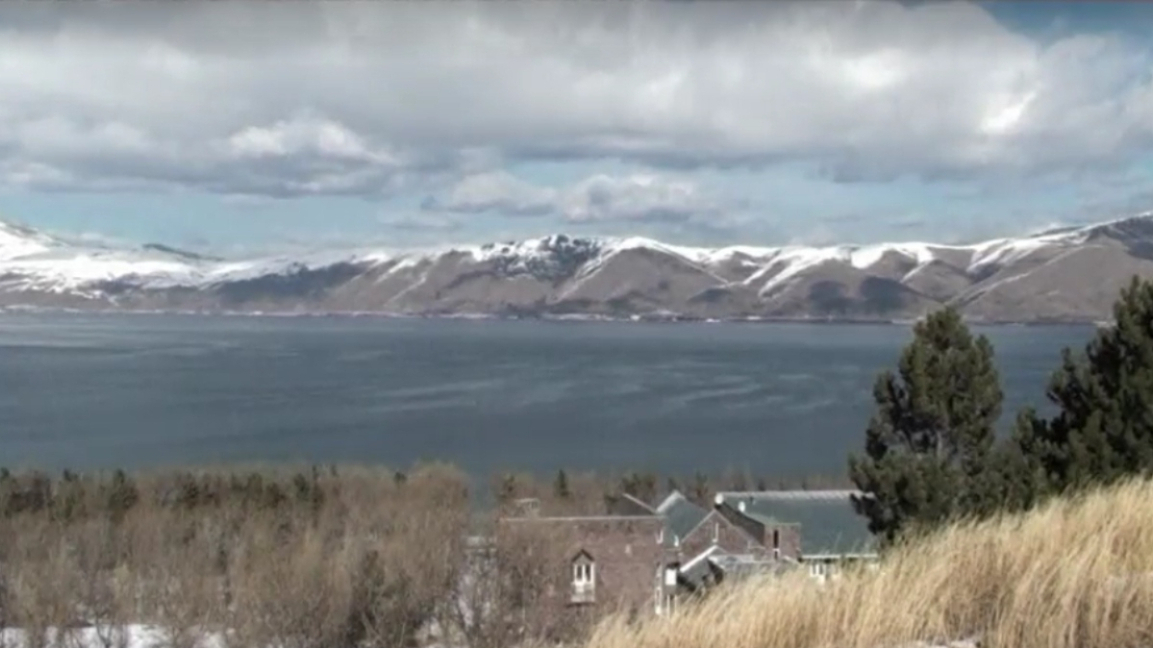
The water level of Lake Sevan, Armenia’s main source of drinking water, has dropped sharply over the past six months, largely due to an unusually dry autumn, officials said.
As of 28 December, the lake’s water level stood at 1,900.22 metres, around 17 centimetres lower than at the same time last year, according to Levon Azizyan, director of Armenia’s Center for Hydrometeorology and Monitoring, as reported by Sputnik News.
Azizyan said the lake experienced a seasonal rise earlier in the year but then saw a significant decline. On 1 January, 2025, Lake Sevan’s level was measured at 1,900.39 metres. By 8 June, it had risen by 38 centimetres to 1,900.77 metres, before falling by 55 centimetres between 9 June and 28 December.
Overall, Azizyan said 2025 was not a favourable year from a hydrological perspective, citing a relatively dry winter and spring followed by a lack of precipitation in the autumn months.
He also noted that water withdrawal from Lake Sevan for irrigation purposes totalled 119.6 million cubic metres this year, which is 65.4 million cubic metres less than the volume withdrawn in the previous year. While the reduction eased pressure on the lake, officials said weather conditions remained the main factor behind the declining water level.
Lake Sevan is one of the largest high-altitude freshwater lakes in Europe and Asia and plays a critical role in Armenia’s water security. Located in the heart of the Armenian Highland at an altitude of around 1,914 metres, the lake stretches more than 70 kilometres from northwest to southeast and covers nearly 1,500 square kilometres.
Experts warn that continued dry conditions could pose long-term risks to Lake Sevan’s ecosystem and Armenia’s water supply, underscoring the importance of careful water management amid changing climate patterns.

U.S. President Donald Trump said there was an "all-day negotiation" on Tuesday with Iran, characterising the talks positively while also threatening to hit Iran "really hard" if a deal was not reached.
Shipping traffic through the Strait of Hormuz and the Bab el-Mandeb Strait, two key maritime chokepoints in the region, decreased significantly from the previous day, according to shipping data.
Start your day informed with AnewZ Morning Brief. Here are the top news stories for the 6th of August, covering the latest developments.
U.S. President Donald Trump said negotiations to reopen the Strait of Hormuz are progressing and suggested an agreement with Iran could be reached “soon”.
Kazakhstan’s main oil export corridor was disrupted by drone strikes near Russia’s Black Sea coast in July, forcing a temporary suspension of crude loadings and raising fresh concerns over the vulnerability of regional energy infrastructure to the war in Ukraine.
Azerbaijan’s State Oil Fund (SOFAZ) has made its first investment in Latin America, acquiring an indirect stake in Peru’s largest independent electricity producer, Inkia Energy, as part of its strategy to diversify its global investment portfolio.
Uzbekistan and Kazakhstan will remove tariff and non-tariff barriers affecting around 20 product categories from 10 August, in a move designed to facilitate cross-border trade and support businesses in both countries.
President Masoud Pezeshkian has defended his administration's economic performance under longstanding Western sanctions and severe wartime conditions, saying barter trade with neighbouring countries has expanded to help Iran cope with financial restrictions, according to his office.
Armenian Prime Minister Nikol Pashinyan has said that Armenia currently has no option to join the European Union as an alternative to its membership in the Eurasian Economic Union (EAEU).
Tajikistan tripled fuel imports from neighbouring Central Asian countries in July after deliveries from Russia declined sharply, underscoring how disruptions to Russian exports are prompting governments across the region to seek alternative suppliers.
You can download the AnewZ application from Play Store and the App Store.
What is your opinion on this topic?
Leave the first comment