Tensions between Georgia and Russia resurfaced this week after Moscow declared it sees “no preconditions” for renewing political dialogue, blaming Tbilisi’s insistence on de-occupation.
Georgia responded sharply, stressing that territorial integrity is a non-negotiable national priority amid ongoing security threats along the occupation line.
The Russian Foreign Ministry said that Georgia’s position—linking the restoration of diplomatic relations to Russia’s withdrawal from Abkhazia and South Ossetia—remains “unrealistic” and “harmful to Georgia.”
Moscow reiterated that its recognition of both regions is “irreversible,” framing Georgia's demands as politically impossible.
Russia’s statement claimed readiness to improve relations “to the extent that Tbilisi itself is prepared,” presenting the stalemate as a Georgian refusal to engage.
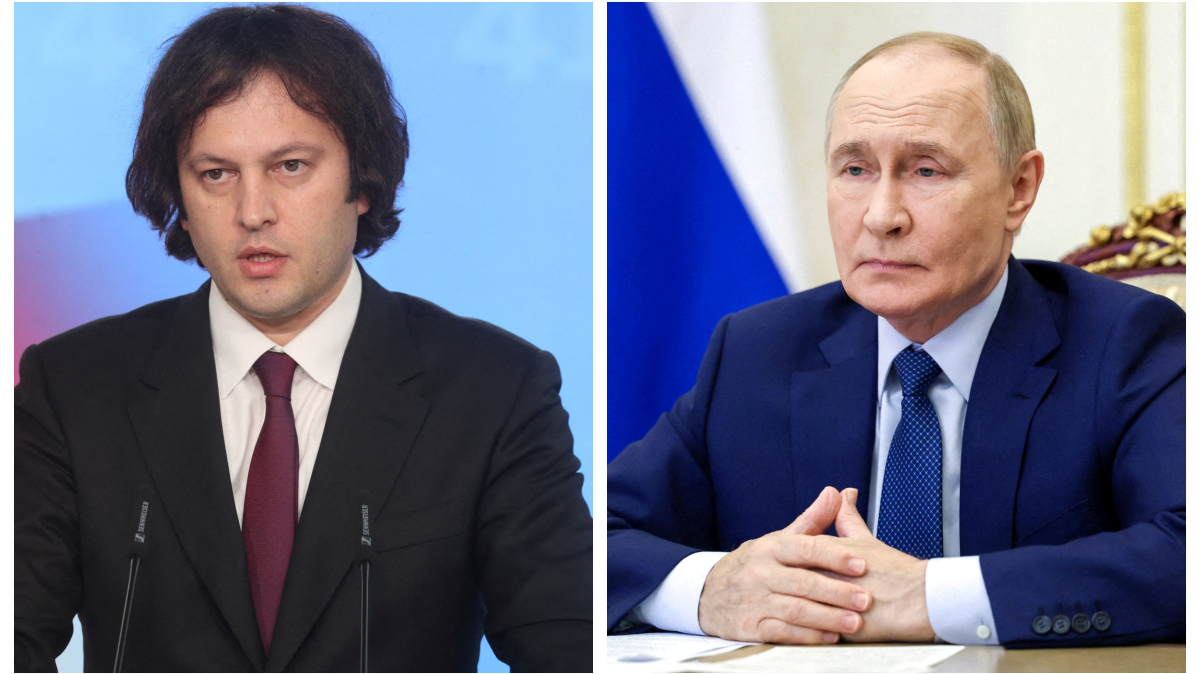
Prime Minister Irakli Kobakhidze dismissed Russia’s framing, calling de-occupation a fundamental issue that cannot be negotiated.
“The issue of de-occupation is not subject to compromise,” he said, underscoring that Georgia will not revise its position under external pressure.
For Tbilisi, territorial integrity is not only a political stance—it is tied to constitutional obligations, human rights concerns, and the safety of communities living near the occupation line.
The dispute is not abstract. Along the administrative boundary lines (ABLs) with Abkhazia and South Ossetia, the situation remains volatile:
- Claims that Russian and de facto forces frequently install new fences, barbed wire, and “green signs,” gradually shifting the line deeper into Georgian-controlled territory.
- Local residents are allegedly detained regularly for “illegal border crossing,” often while farming, collecting firewood, or visiting family.
- Villagers face daily uncertainty, cut off from agricultural land, water sources, and ancestral homes.
Proximity to Tbilisi: In some areas, Russian-controlled positions lie just 40–50 kilometers from the capital.
These realities reinforce why Georgia insists that any political dialogue with Moscow must address occupation—and why the government views compromise as impossible without risking further territorial encroachments.
Diplomatic ties between Moscow and Tbilisi were severed after the 2008 war, when Russia entrenched its military presence in Abkhazia and South Ossetia.
Since then, dialogue has been limited to the Geneva International Discussions, which have produced few tangible results as Russia refuses to commit to non-use of force or allow international monitoring mechanisms inside the occupied territories.
For thousands of internally displaced persons, the conflict remains deeply personal—homes lie behind barbed wire, inaccessible despite international rulings affirming their right to return.
Despite both sides claiming openness to dialogue, the conditions they set are mutually exclusive. For now, the border situation and Russia’s entrenched military presence only deepen mistrust.
Until either side adjusts its approach—or broader geopolitical changes reshape the landscape—the prospects for real political dialogue remain remote.

















What is your opinion on this topic?
Leave the first comment