Ukrainian President Volodymyr Zelenskyy and Azerbaijani President Ilham Aliyev have spoken by phone after debris from a Russian missile strike damaged Azerbaijan’s Embassy in Kyiv, prompting concern from both leaders over the safety of diplomatic missions.
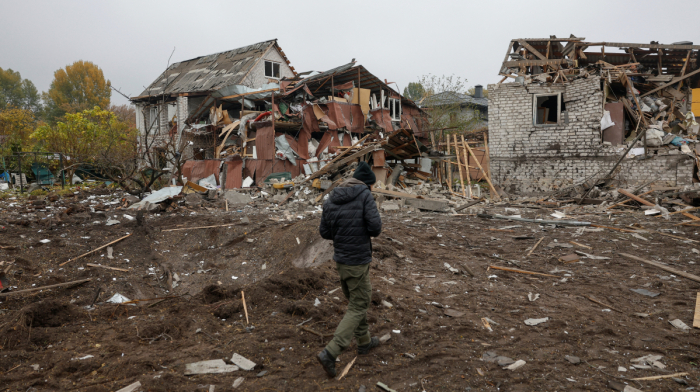
The phone call between the two presidents came after one of the largest Russian overnight attacks in recent months, a barrage that struck multiple Ukrainian regions and overwhelmed emergency services across Kyiv, Sumy, Kharkiv and Odesa.
Officials in Kyiv said the assault involved an unusually high number of weapons, with hundreds of drones launched alongside ballistic and aeroballistic missiles. The scale of the strikes left neighbourhoods across the capital damaged, and rescue teams worked through the night to clear debris and assist the injured.
Among the affected sites was the compound of Azerbaijan’s diplomatic mission, where fragments from an Iskander missile caused structural damage. Ukrainian authorities confirmed there were no casualties at the embassy, but the incident added a diplomatic layer to an already intense night of bombardment.
During the conversation, Zelenskyy briefed President Aliyev on the broader impact of the attacks, including the civilian toll and the strain placed on emergency responders. He also outlined Ukraine’s continuing efforts to strengthen air defence capabilities and the need for additional international support.
Aliyev, in response, highlighted the importance of safeguarding diplomatic missions during conflict and raised concerns about the growing risks posed by high-intensity missile deployments in populated areas. He reaffirmed Azerbaijan’s humanitarian assistance to Ukraine and signalled Baku’s intention to maintain cooperation at a time of heightened instability.
Ukrainian officials later said that the country’s air force managed to intercept a significant portion of the incoming drones, though several missiles reached their targets. The latest wave of strikes has renewed calls in Kyiv for further sanctions against Russia, alongside appeals for more advanced interceptor systems from European partners and the United States.
The damage to the Azerbaijani Embassy underscores how the effects of the war continue to spill beyond military targets, drawing in diplomatic missions and raising fresh questions about the security of foreign staff operating in the capital.













What is your opinion on this topic?
Leave the first comment