Peace only reliable guarantee of Armenia's security - Armenia
Peace is Armenia’s only reliable guarantee of security, Armenian Prime Minister Nikol Pashinyan has said in comments in Dublin, where he also...
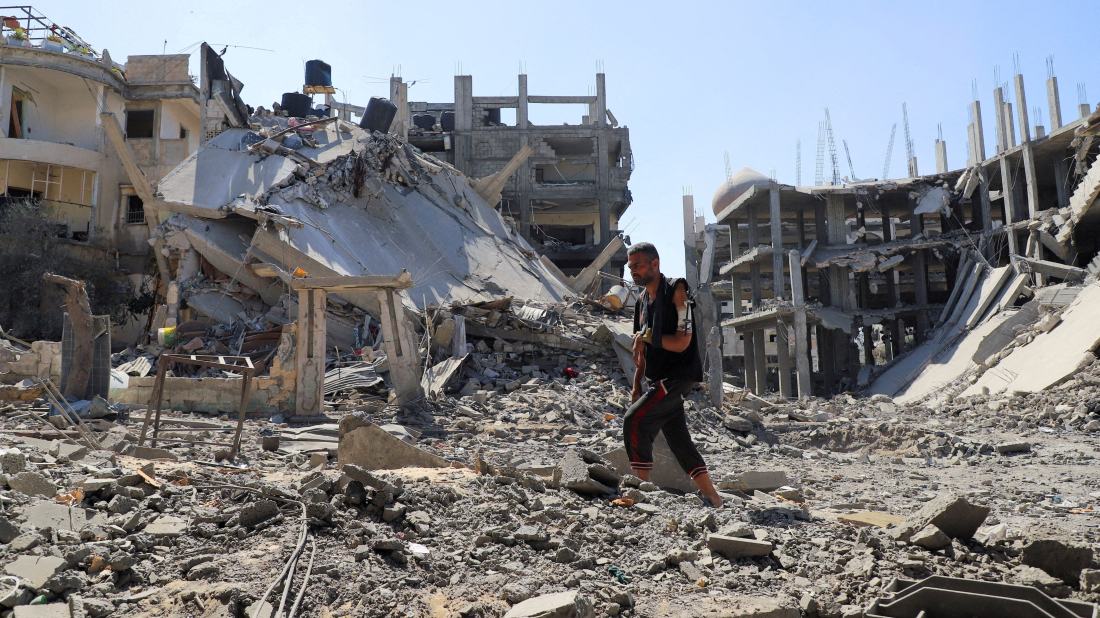
Indonesia, Azerbaijan, and Pakistan are in early talks to provide troops for an international stabilization force in the Gaza Strip, according to U.S. officials and reporting by Politico.
The proposed deployment is a central element of U.S. President Donald Trump’s 20-point peace plan aimed at securing a lasting end to the conflict between Israel and Hamas.
The discussions, which remain fluid, centre on forming a temporary multinational force to help secure Gaza following a fragile ceasefire agreement between Israel and Hamas.
“These are the countries that have expressed the most interest,” said a current U.S. defence official, emphasising that no firm commitments have yet been made.
Trump’s proposed Gaza stabilisation force, aimed at ending the Hamas-Israel conflict and aiding demilitarisation and reconstruction, would be a non-U.S. contingent supporting trained Palestinian police with input from Egypt and Jordan.
The U.S. has stated that no American troops will operate inside Gaza.
At the Gaza International Peace Summit on 13 October, Trump and Indonesian President Prabowo Subianto showed support for the initiative, posing for photos and reaffirming U.S.-Indonesia cooperation.
However, significant logistical and political challenges remain.
Coordinating with Indonesia and Azerbaijan — countries outside U.S. Central Command’s (CENTCOM) area of responsibility, adds complexity, a former U.S. defence official said.
The White House and the embassies of Indonesia, Pakistan, and Azerbaijan declined to comment on the ongoing talks.
Meanwhile, roughly 200 U.S. troops have been deployed to Israel under CENTCOM to assist with ceasefire maintenance and coordination.
These personnel are operating from a new civil-military coordination centre north of Gaza, alongside Egyptian, Qatari, and Emirati troops. Egyptian forces are also working to recover the remains of hostages.
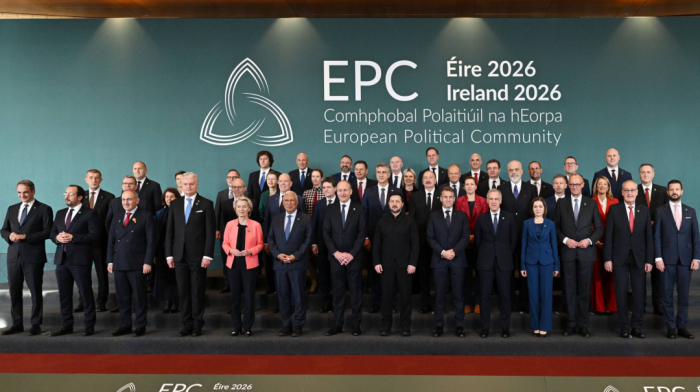
European leaders gathered in Dublin on Thursday, 12 November, for the ninth European Political Community (EPC) summit, with security, defence and energy high on the agenda. Azerbaijani President Ilham Aliyev held talks focused on peace, trade and regional cooperation.
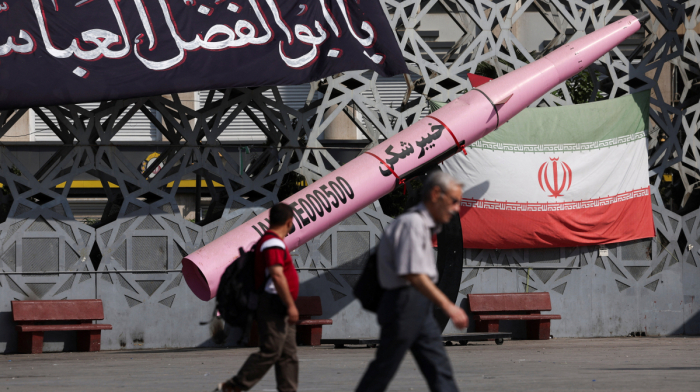
Iran’s Assembly of Experts has backed withdrawing from the Nuclear Non-Proliferation Treaty (NPT) and overhauling the country’s defence doctrine, calling both steps essential to national security and deterrence.
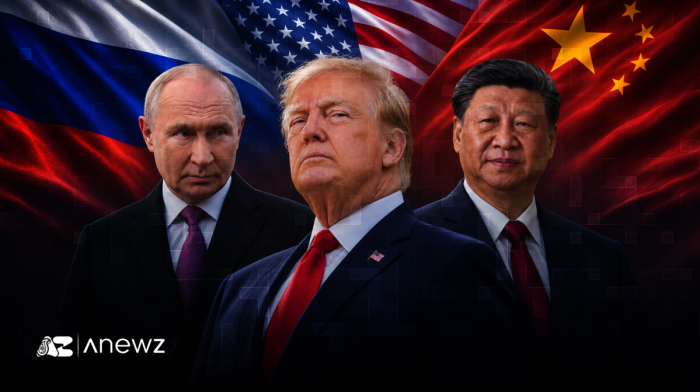
President Vladimir Putin agreed on Thursday to let European representatives join the next round of Ukraine peace talks while the United States continues to work towards what could become the largest prisoner exchange of the Russia-Ukraine war.
Microsoft struggled to restore its services on Friday after a major outage disrupted Outlook, Teams and Copilot across the United States and Asia-Pacific region.
Kazakhstan-linked hackers stole thousands of national security documents from Tajikistan, a cybersecurity company has said.
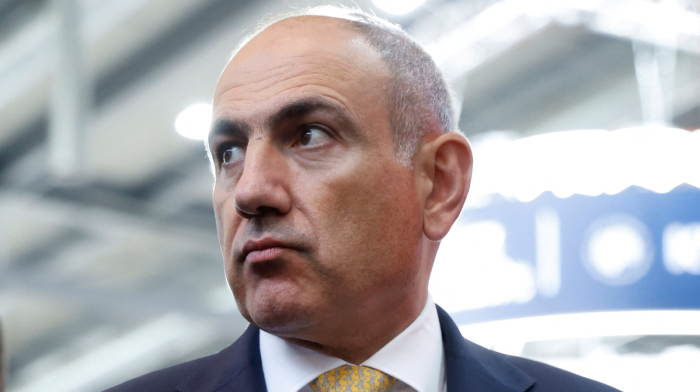
Peace is Armenia’s only reliable guarantee of security, Armenian Prime Minister Nikol Pashinyan has said in comments in Dublin, where he also commented that the Russian-led Collective Security Treaty Organisation (CSTO) alliance had failed to fulfil its obligations towards Yerevan.
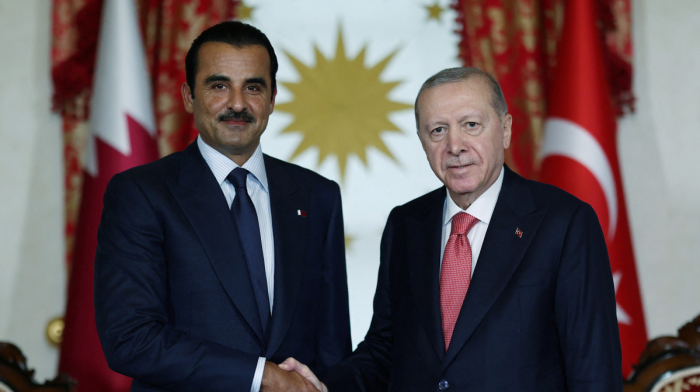
Türkiye and Qatar signed a mutual defence agreement on Friday, November 13, aimed at strengthening collective security and regional stability. The two countries pledged to take a united stance against any external armed attack on either nation.
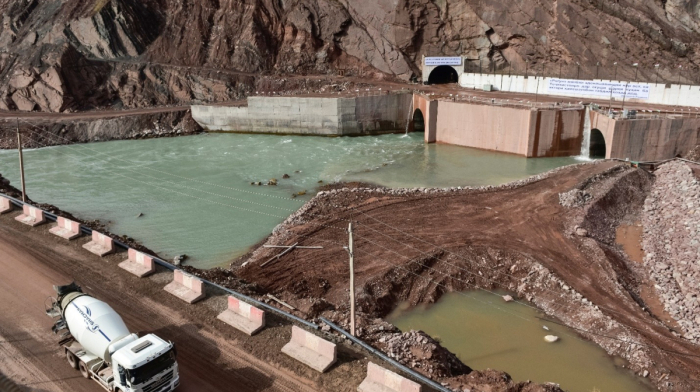
As Central Asia expands its hydropower infrastructure and high-rise construction, seismologists are examining whether large mountain reservoirs could influence earthquake activity. The question is particularly pressing in a region where major cities lie close to active tectonic faults.
As artificial intelligence (AI) becomes part of everyday life, languages with smaller speaker communities risk being left behind. Georgian, spoken by around four million people worldwide, is facing a digital challenge: making sure it is understood by the machines shaping how the world communicates.
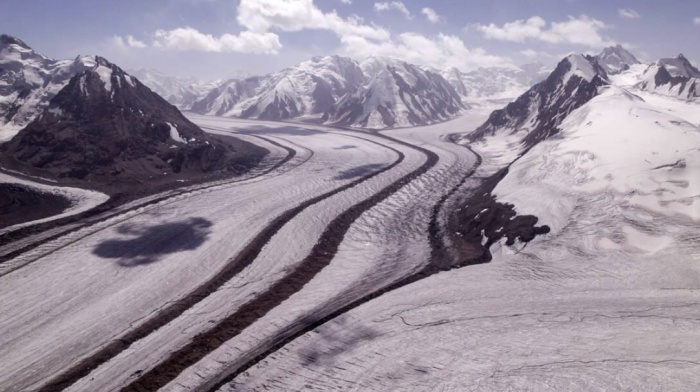
Tajikistan has urged the international community to increase funding to protect shrinking glaciers and help mountain communities adapt to climate change at the COP31 UN climate summit in Antalya, Türkiye.
You can download the AnewZ application from Play Store and the App Store.
What is your opinion on this topic?
Leave the first comment