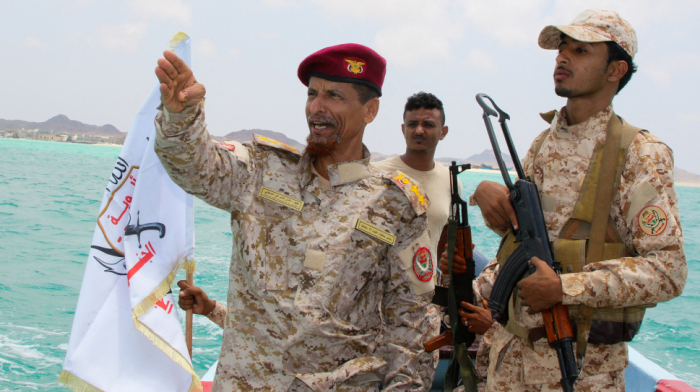
Yemeni forces retake strategic coast as Mecca defence pact is activated
Forces aligned with Yemen's internationally recognised government have recaptured significant stretches of ...
Leaders of the Organization of Turkic States (OTS) signed the Gabala Declaration at the 12th Summit of the Council of Heads of State, outlining new priorities for political, economic, and cultural cooperation across the Turkic world.
The Gabala Declaration, adopted in Azerbaijan’s city of Gabala, reaffirms the commitment of member states of the Organisation of Turkic States (OTS) to unity, mutual trust, and respect for sovereignty and independence. It underscores joint efforts to promote peace, stability, and sustainable development across the wider region.
The declaration outlines a roadmap for deeper cooperation in politics, economy, transport, energy, culture, security, and institutional development. A central focus is the strategic expansion of the Middle Corridor — including the Zangezur Corridor — to strengthen connectivity, trade, and economic ties among Turkic nations.
It also seeks to align member states on regional and international issues, enhancing the OTS’s role as a constructive platform for dialogue and stability.
Azerbaijan’s Foreign Minister Jeyhun Bayramov said discussions centred on advancing political dialogue, economic integration, and cooperation in transport, energy, and humanitarian fields. He stressed the strategic importance of the Middle Corridor in boosting regional trade and connectivity.
OTS Secretary-General Kubanychbek Omuraliyev described the Gabala Declaration as a “roadmap for future cooperation,” calling the summit a milestone for promoting lasting peace and prosperity in the South Caucasus following Azerbaijan’s restoration of sovereignty and the Washington Declaration between Baku and Yerevan.
Turkish President Recep Tayyip Erdoğan hailed the gathering as a “milestone for Turkic unity,” expressing hope that the declaration would strengthen cooperation among Turkic nations and benefit their partners. In a message shared on X, he called for continued progress on energy and transport projects, including the Trans-Caspian Middle Corridor, and reaffirmed Türkiye’s support for peace and stability in the South Caucasus.
The 12th OTS Summit brought together leaders from member and observer states to reinforce the organisation’s growing role as a key platform for cooperation and dialogue across Eurasia.
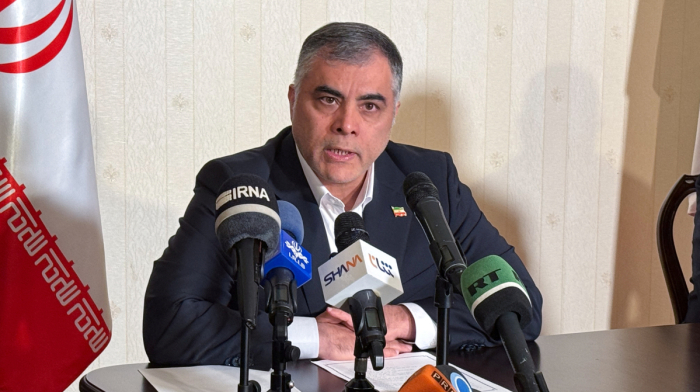
Iran's Oil Minister Mohsen Paknejad has resigned, with Hamid Bovard, chief executive of the state-owned National Iranian Oil Company (NIOC), appointed as acting oil minister, according to Iranian state media.
Right-wing Brazilian Senator Flavio Bolsonaro will face leftist President Luiz Inacio Lula da Silva in a runoff of the presidential election later this month, after he exceeded expectations in Sunday's first-round vote with a slight lead over the incumbent.
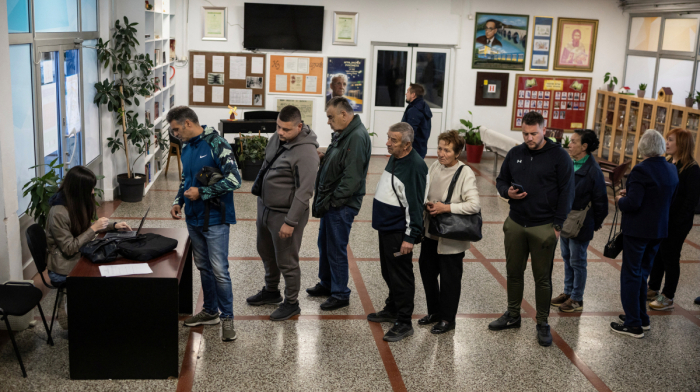
Candidates elected to Bosnia and Herzegovina's three-member presidency declared victory after preliminary unofficial results showed Denis Becirovic leading the Bosniak seat, Darijana Filipovic ahead in the Croat seat and Zeljka Cvijanovic likely retaining the Serb seat.
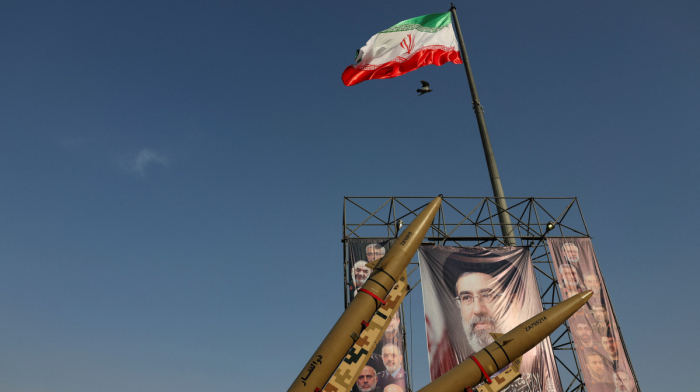
Iran says the Strait of Hormuz will remain closed until the United States meets seven conditions agreed under a June memorandum, as President Donald Trump signals he may soon decide whether to resume military operations against Tehran.
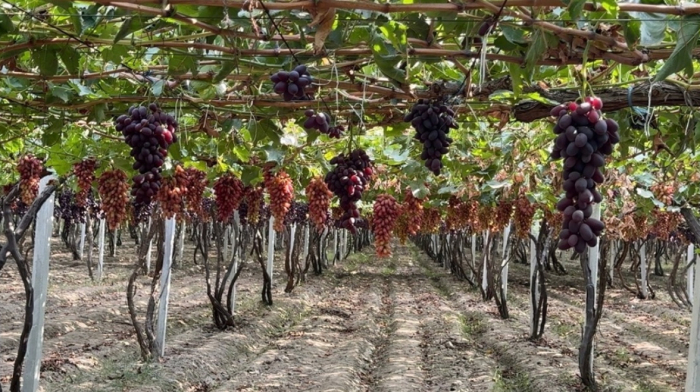
Uzbekistan’s grape exports have grown rapidly. In January-August 2025, the country exported 86,200 tonnes of fresh grapes worth $78.3 million to 19 countries but can it turn these crops into a recognisable international product?
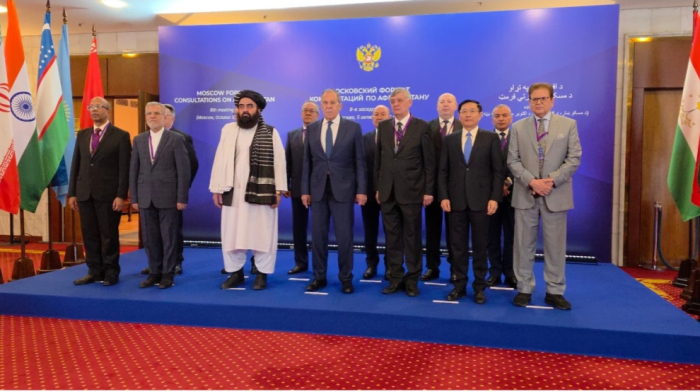
Regional powers gathered in Moscow on Monday for talks on Afghanistan, focusing on security, economic cooperation and Kabul’s relations with its neighbours.
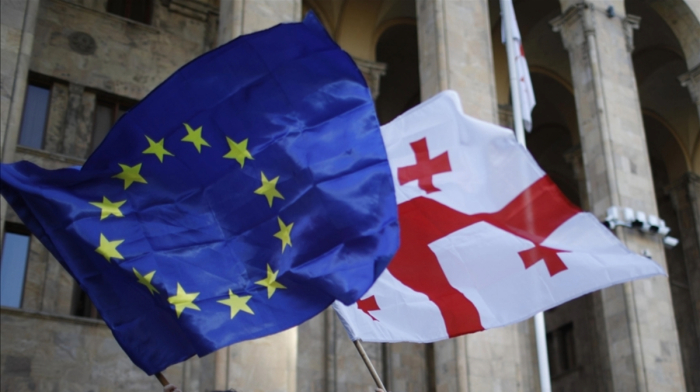
Four major German political foundations have halted their work in Georgia as tighter rules on foreign grants put pressure on a decades-old partnership and add to tensions between Tbilisi and its European partners.
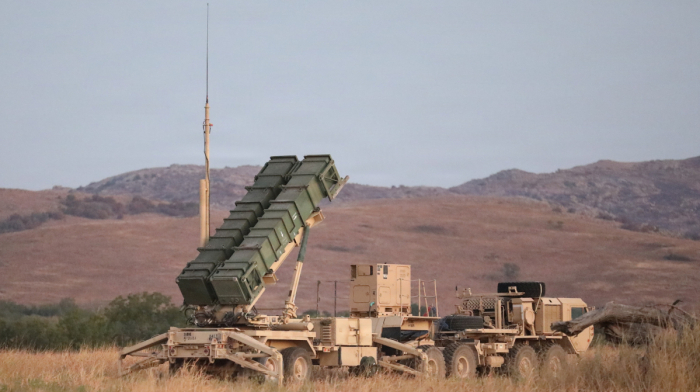
The U.S. has deployed two additional Patriot missile batteries to the Gulf, protecting key energy facilities in Saudi Arabia and Qatar as Washington expands its military presence in the Middle East amid heightened tensions with Iran.
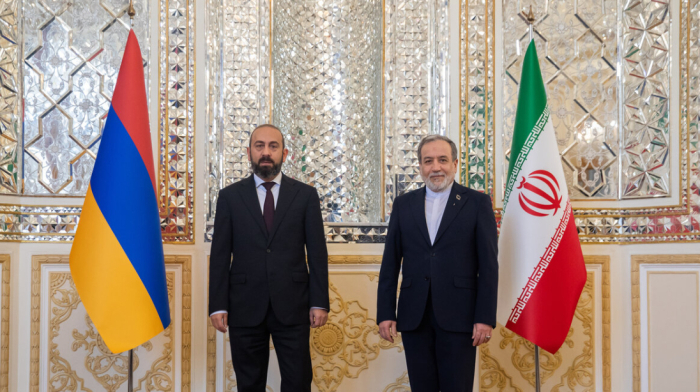
Iranian Foreign Minister Abbas Araghchi and his Armenian counterpart Ararat Mirzoyan held talks in Tehran on Monday on bilateral ties and efforts to strengthen peace and security in the South Caucasus.
Iran’s Foreign Ministry says it has conveyed its initial position to the United States through Qatar over Washington’s response to Tehran’s seven-day plan aimed at ending the war and reopening the Strait of Hormuz.
You can download the AnewZ application from Play Store and the App Store.
What is your opinion on this topic?
Leave the first comment