For centuries, Lahore has been shaped by the people, cultures and empires that passed through it. Now, the Pakistani city is preparing to put that rich history before a wider regional audience.
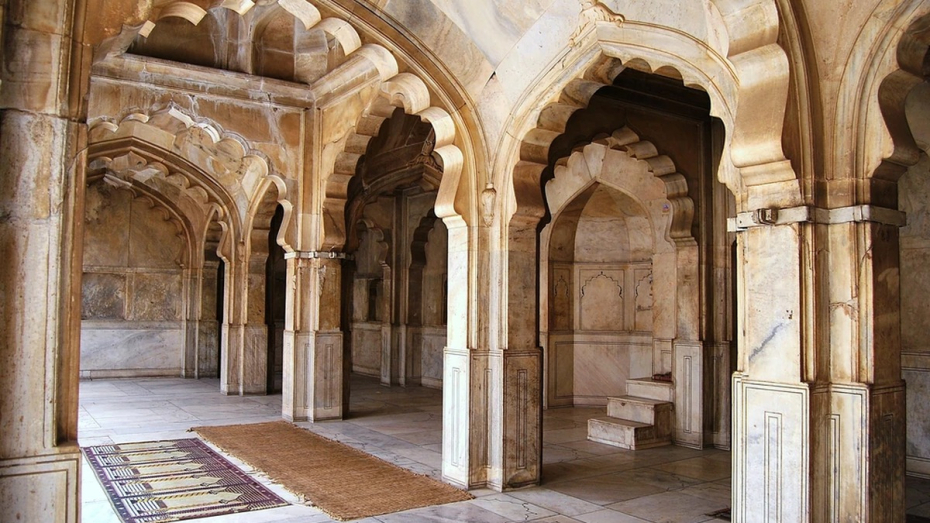
Mughal emperors built palaces, mosques and gardens in the city, while Sikh rulers left their mark on the same landscape. The British added another architectural layer, as Persian, Central Asian, Islamic, Hindu and Punjabi traditions all became woven into Lahore's cultural fabric.
The Shanghai Cooperation Organisation (SCO) has named Lahore its Tourism and Cultural Capital for 2026-2027, putting the city's heritage and contemporary cultural life centre stage across one of the world's largest regional organisations.
The designation was confirmed at the SCO Council of Heads of State meeting in Bishkek on 1 September, when Pakistan assumed the organisation's chairmanship for 2026-2027. The SCO had already backed Lahore's candidacy at a meeting of member states' tourism administrations in Bishkek in April.
Pakistan's chairmanship carries the theme “Turning Vision into Action: Connectivity, Innovation and Shared Prosperity.” Lahore's new status adds a cultural dimension to a year otherwise set to focus heavily on regional cooperation, trade, security, connectivity and tourism.
But the city's cultural credentials long predate its SCO title.
A UNESCO legacy at the heart of Lahore
Perhaps the clearest measure of Lahore's historical importance is its international recognition.
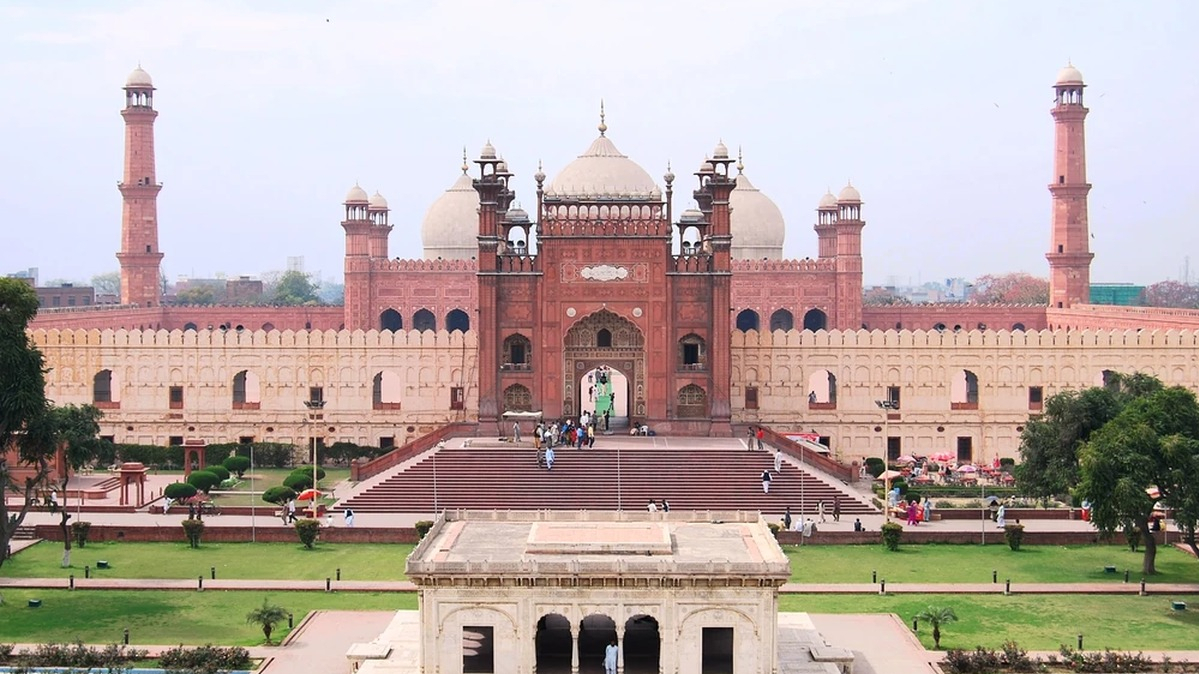
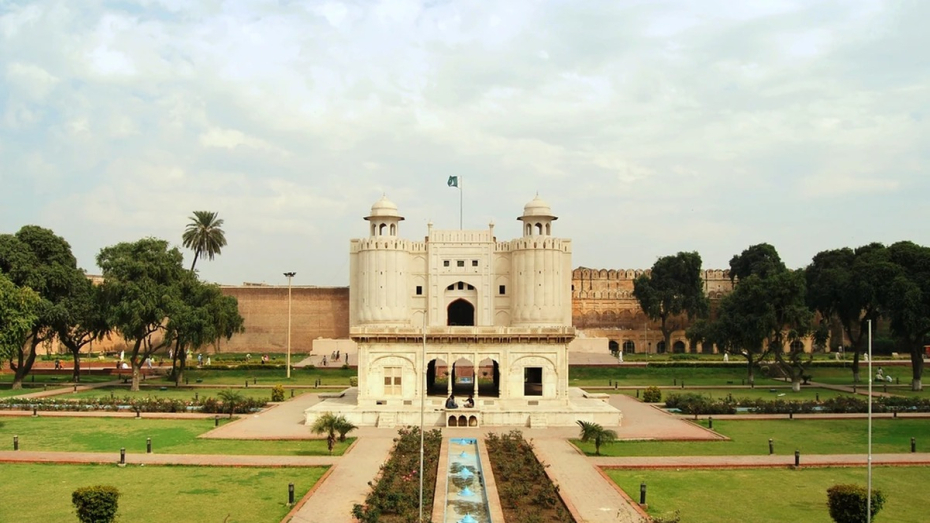
Lahore Fort and Shalimar Gardens were inscribed together on the UNESCO World Heritage List in 1981. UNESCO describes them as outstanding examples of Mughal artistic expression at its height during the 16th and 17th centuries.
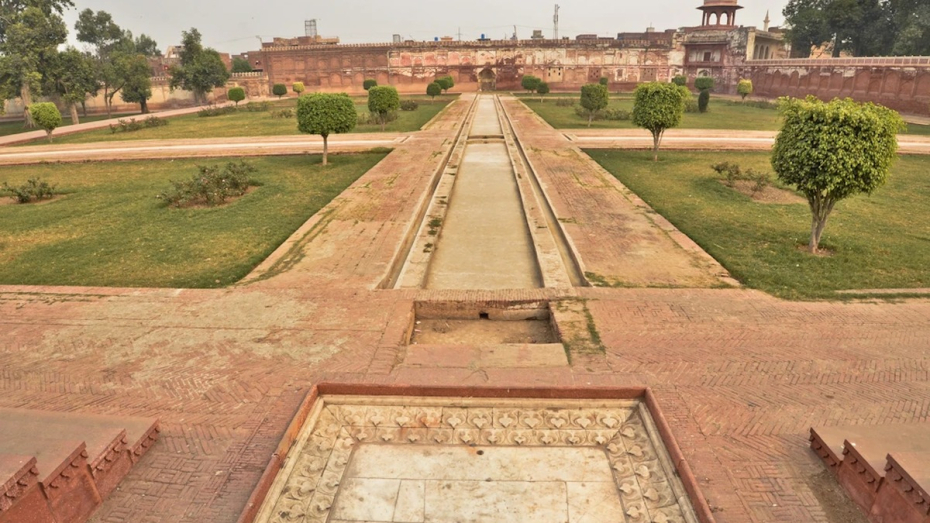
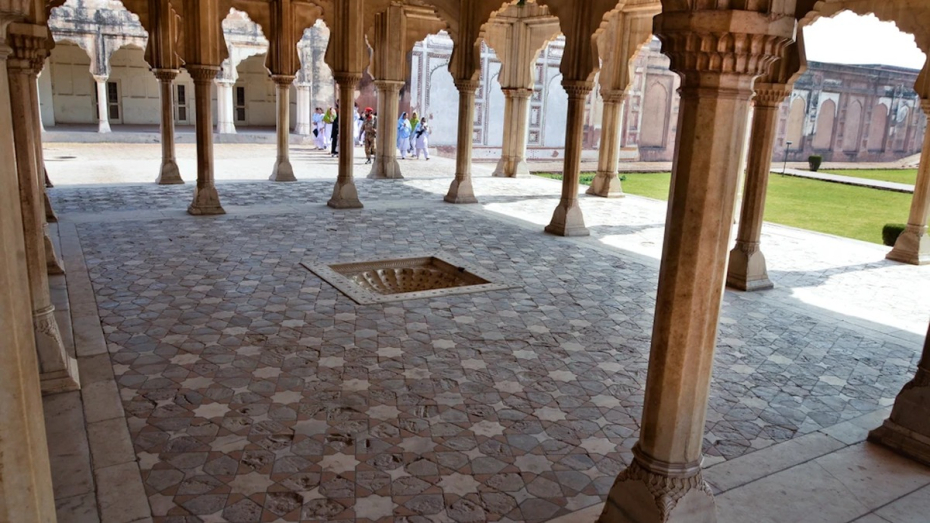
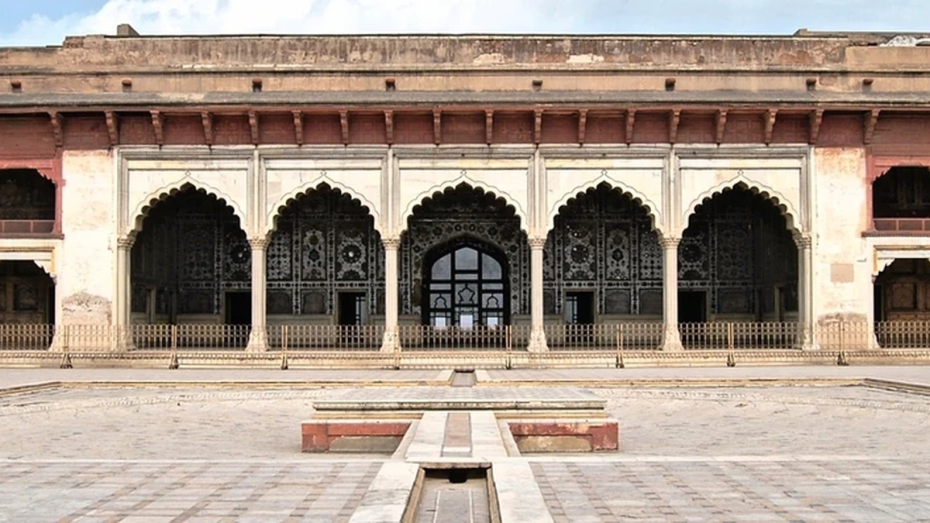
Lahore Fort contains 21 surviving monuments that reflect different stages of Mughal architecture, spanning the reigns of Akbar, Jahangir and Shah Jahan.
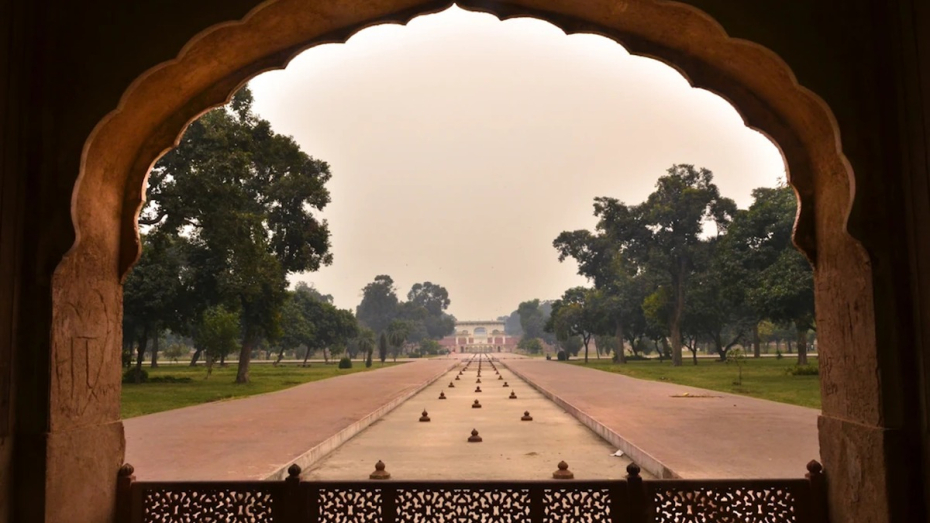
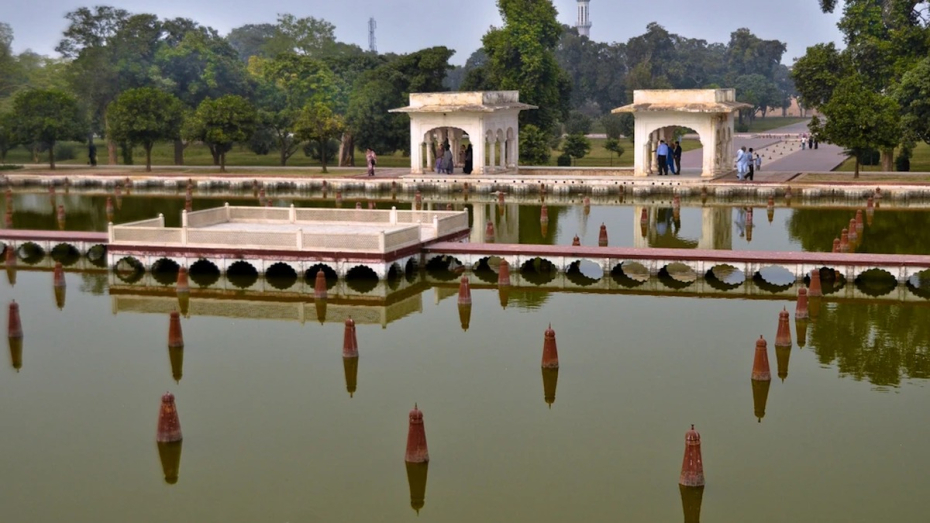
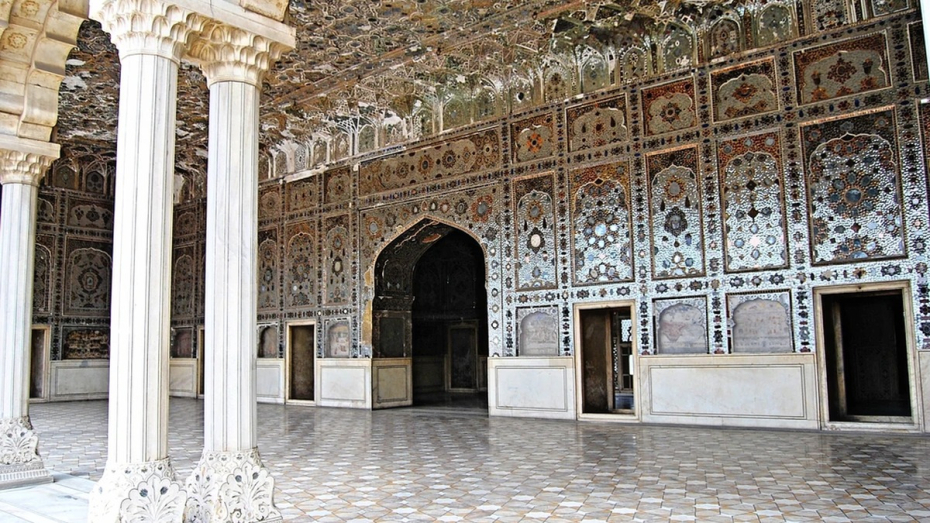
Its buildings bring together red sandstone, marble, mosaics, gilt work and intricate decorative traditions. Shalimar Gardens offer a different expression of the same period, with three descending terraces, pavilions, water channels and ornamental pools.
Built by Shah Jahan in 1641 and 1642, the gardens cover about 16 hectares. UNESCO describes the two complexes as combining monumental architecture and extensive water gardens, reflecting the development of Mughal artistic and aesthetic traditions.
UNESCO also places that achievement within the wider history of Mughal civilisation, describing it as a fusion of Islamic, Persian, Hindu and Mongol sources that later influenced the development of the Indian subcontinent.
That layered history remains visible across Lahore today.
Picture Wall offers a 475-metre record of Mughal art
Inside Lahore Fort, one of the city's most remarkable cultural treasures has also been given new life.
The restoration of the northern section of the Picture Wall was completed in April 2026, following more than a decade of scientific research, conservation and international cooperation, according to UNESCO.
The wall stretches approximately 475 metres and rises to an average height of 17 metres, with around 2,000 decorated recessed panels spread across three levels.
They depict hunting scenes, battle processions, animals, birds, angels, mythical figures, geometric designs and floral motifs. The work combines glazed tile mosaic, fresco painting, marble, red sandstone latticework and terracotta relief.
The conservation effort began in 2015 through a partnership between the Aga Khan Cultural Service Pakistan and the Walled City of Lahore Authority. It included extensive digital documentation, 3D laser scanning, electronic distance measurements and high-resolution photography before the physical restoration began.
International cooperation was also central to the project, with support from Pakistani institutions, the Royal Norwegian Embassy, the German Federal Foreign Office and the U.S. Ambassadors Fund for Cultural Preservation. A total of $1.5 million was invested in the project.
The restoration carries wider significance for Lahore. Preserving historic heritage is not simply about maintaining old buildings; it also means developing the local expertise needed to conserve them for future generations.
UNESCO has described the project as an example of scientific conservation combined with international cooperation and local expertise.
Heritage stretches beyond the Mughal era
Lahore Fort also challenges the idea that the city's heritage can be understood solely through its Mughal past.
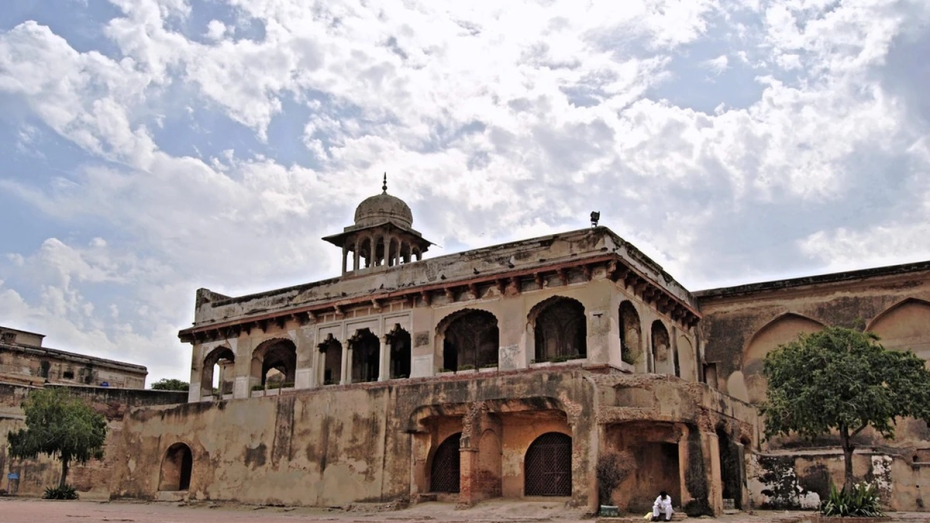
In 2026, conservation work was completed on the Sikh-era Hammam, Athdara Pavilion and Loh Temple within the fort, as part of a wider project focused on preserving its cross-cultural heritage.
The Athdara Pavilion is associated with the Sikh period and the court of Raja Ranjit Singh. The Hammam originated during Shah Jahan's reign before later being converted during the Sikh period. The Loh Temple contains chambers associated with Hindu and Sikh religious practices.
The project was supported through the U.S. Ambassadors Fund for Cultural Preservation, with conservation work carried out by the Aga Khan Cultural Service Pakistan in partnership with the Walled City of Lahore Authority.
The result is a historic complex where different eras and traditions remain physically close to one another – a layered character that is one of Lahore's strongest cultural stories.
History remains part of everyday life
Lahore's story extends well beyond the fort.
The Walled City contains historic gates, mosques, markets and buildings that remain firmly connected to everyday urban life.
The Wazir Khan Mosque, built during the reign of Shah Jahan, is known for its tile mosaics, frescoes and calligraphy. The nearby Shahi Hammam offers another example of the infrastructure that supported life in the Mughal city.
Here, Lahore's heritage is less about individual monuments and more about the relationship between historic architecture and modern life.
Markets still bustle around old buildings, while traditional crafts and food remain part of the urban landscape. The city's historic streets form a living link between the Lahore of the past and the city of today.
Food is central to that identity, with traditional dishes including nihari, paya, haleem, chargha, kebabs, tikkas and lassiforming part of Lahore's culinary culture.
The Fort Road Food Street, overlooking the Badshahi Mosque, is one of the clearest examples of the meeting point between the city's historic setting and contemporary social life.
A UNESCO City of Literature
Lahore's cultural identity does not end with its architecture.
In 2019, UNESCO designated Lahore a Creative City of Literature, recognising the city's literary and creative traditions.
Its literature offers another window into the city.
Poetry, publishing, literary festivals and intellectual life form part of Lahore's contemporary cultural landscape, alongside music, theatre, classical dance, qawwali, Punjabi folk traditions and visual arts.
That distinction takes on added significance during Lahore's SCO cultural year.
The city is not simply a place where historic monuments have survived. Its cultural traditions continue to be practised, interpreted and passed from one generation to the next.
What the SCO cultural year will bring
Pakistan is preparing a year-long programme of cultural activities in Lahore to mark the SCO designation.
The National Heritage and Culture Division has said four flagship cultural events are planned in Lahore, alongside smaller programmes throughout the year. Embassies and consulates of SCO member states are expected to participate through cultural performances, exhibitions and cultural groups.
SCO Secretary-General Nurlan Yermekbayev has also discussed possible film festivals, handicraft exhibitions, musical festivals and cultural forums.
Pakistan has proposed wider cooperation involving museums, archaeology, digital heritage, youth cultural exchanges and heritage tourism focused on Gandhara and Silk Road heritage.
The goal is to bring the cultural side of SCO cooperation closer to people, rather than leaving regional engagement primarily in the hands of governments and institutions.
Why Lahore's cultural capital status matters
The SCO designation arrives at a time when Lahore already holds two distinct forms of UNESCO recognition.
Lahore Fort and Shalimar Gardens have been on the UNESCO World Heritage List since 1981, while the city's literary culture has been recognised through the UNESCO Creative Cities Network since 2019. In 2026, the restoration of Lahore Fort's Picture Wall brought fresh international attention to the conservation of one of the city's most important historic features.
Yet Lahore's heritage reaches far beyond its Mughal story.
Within Lahore Fort, Sikh and Hindu structures sit alongside Mughal monuments. Across the wider city, Islamic architecture, Punjabi traditions, colonial buildings, literature, food and contemporary culture share the same urban landscape.
For an SCO whose members include countries across South Asia, Central Asia, China, Russia and Iran, Lahore's diversity gives the city a relevance that extends well beyond tourism.
The designation offers an opportunity to present Lahore not simply as a collection of monuments, but as part of the shared history of a wider region shaped by centuries of movement, cultural exchange and changing empires.
A cultural story centuries in the making
The SCO title covers 2026-2027, but Lahore's cultural story reaches back centuries.
Its forts, gardens, mosques, temples, Sikh structures, markets and literary traditions reflect successive periods of history rather than a single cultural identity.
The significance of Lahore's moment, therefore, is not that the SCO has created a new identity for the city. It has given a regional platform to one that was already there.
Over the year ahead, Lahore will have an opportunity to show the SCO how its history extends beyond monuments and remains alive in its architecture, literature, traditions, food and everyday life.
The SCO designation may be temporary. Lahore's cultural story has been centuries in the making.















What is your opinion on this topic?
Leave the first comment