Japan and the UN Office on Drugs and Crime have launched a $9.4 million, two-year project across five Afghan provinces to help former poppy-growing families and expand drug prevention and treatment services.
The agreement was signed in Kabul on 3 September, with Japan providing 1.488 billion yen through the Japan International Cooperation Agency (JICA). The project will operate in Badakhshan, Badghis, Helmand, Kandahar and Takhar until September 2028.
The UN Office on Drugs and Crime (UNODC) said about 8,000 former poppy-growing families, comprising 56,000 people, will receive livelihood support. Nearly 45,000 people affected by or at risk of drug use are expected to receive prevention, treatment and rehabilitation services.
JICA said, “In partnership with UNODC, this project aims to improve livelihoods through legal means and reduce the health harms associated with drug use in five provinces of Afghanistan where opium poppy cultivation is widespread.”
Poppy dependence
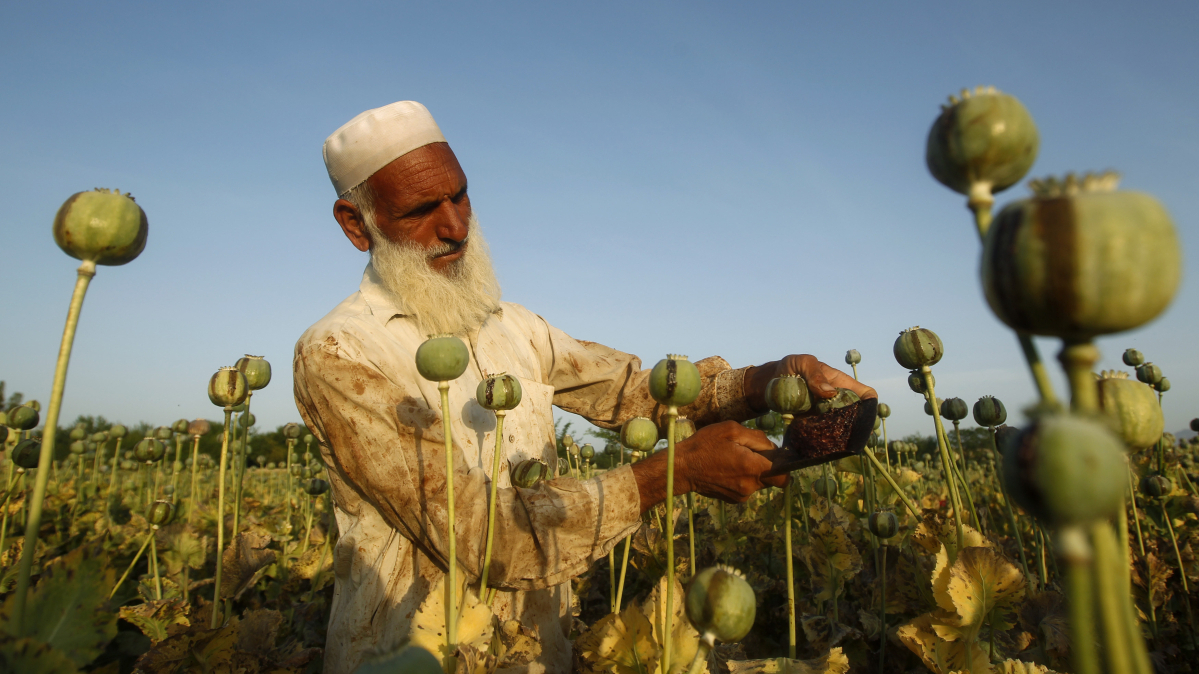
UNODC estimated poppy cultivation at 10,200 hectares in 2025, down from 232,000 hectares in 2022, before the Taliban authorities began enforcing a nationwide ban.
However, the sharp decline has affected rural families dependent on poppy income. UNODC said farmers earned $134 million from opium in 2025, while more than 40 per cent of available farmland remained fallow amid limited profitable alternatives.
Japan’s Foreign Ministry said economic instability and shortages in treatment services had contributed to Afghanistan’s drug problem. It added, “This cooperation is being implemented for the purpose of providing humanitarian assistance to Afghanistan.”
Treatment and response
UNODC said access to treatment remains limited, particularly outside urban areas. The project combines alternative crops and livelihood support with prevention, treatment and recovery services, as well as facilities, equipment and awareness programmes.
Afghan authorities did not respond to queries before publication. However, officials have previously welcomed Japan’s assistance. In June, the Counter-Narcotics Deputy Ministry called on UNODC for practical support and alternative livelihoods for farmers, while in July Deputy Foreign Minister Mohammad Naeem praised Japan’s continued assistance.
















What is your opinion on this topic?
Leave the first comment