U.S.-Israeli strikes on Iran: What we know so far
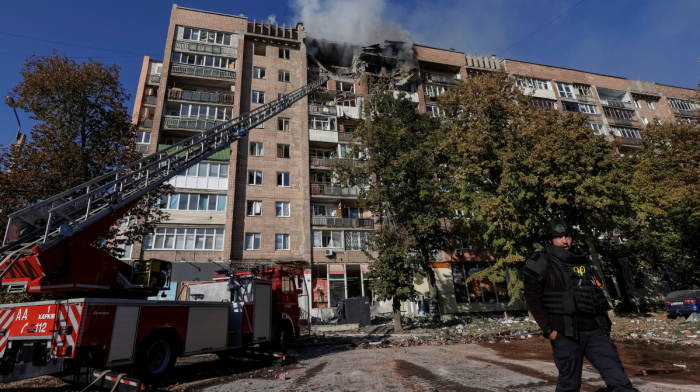
The United States and Israel have carried out large-scale strikes on Iranian leadership and military targets, with Iranian state media confirming t...
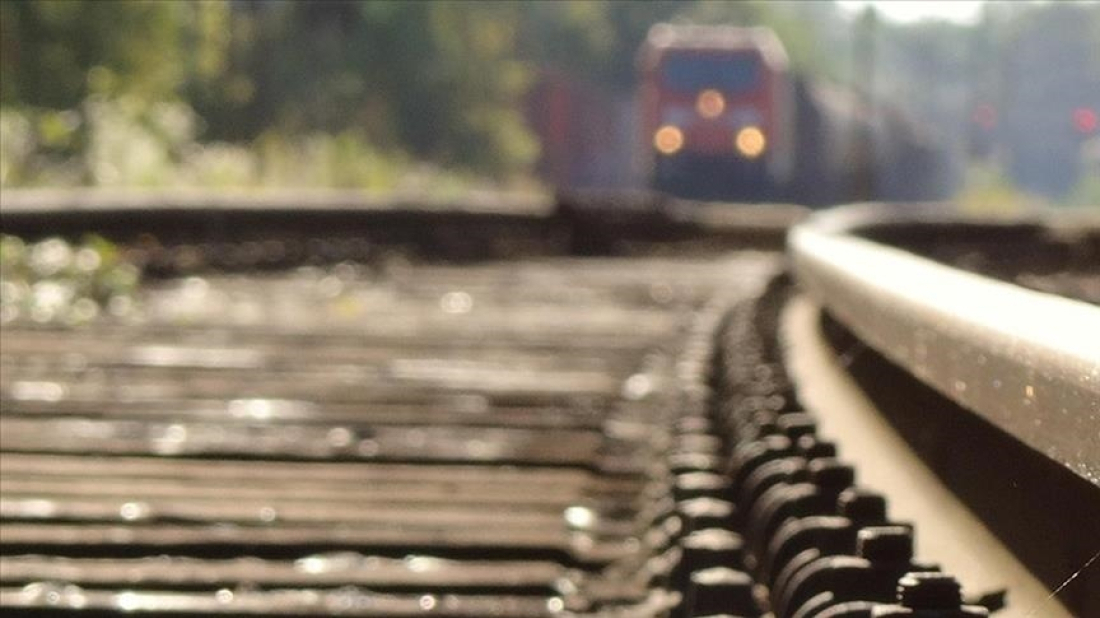
Two freight trains departed from the Chinese cities of Chongqing and Chengdu bound for Europe via Türkiye on the 9 July marking the first direct rail shipment under the new regular freight service along the Middle Corridor, according to the Turkish Ministry of Transport and Infrastructure.
Transport Minister Abdulkadir Uraloğlu described the development as the start of a “new era” in the East–West logistics chain and emphasised Türkiye’s strategic role on this route.
Each train, carrying 2,000 metric tonnes of cargo, has already travelled approximately 3,500 kilometres within China and crossed into Kazakhstan. The route continues through Central Asia and across the Caspian Sea before reaching Türkiye, and then onwards to Europe.
Uraloğlu noted that the agreement enabling this service was signed during the Global Transport Corridors Forum held in Istanbul at the end of June. The deal strengthens Türkiye’s position in the Europe–Asia logistics network.
Over the past 23 years, Türkiye has invested around $300 billion in transport and communication infrastructure. Its railway network has expanded to 13,919 kilometres, including 2,251 kilometres of high-speed rail.
The Minister highlighted plans for 1,000 trains to operate along the Middle Corridor annually, which will bolster Türkiye’s role as an alternative transit hub in regional and global trade.
He added that the Middle Corridor will continue to develop through expanded cooperation with Asian and European countries, especially China, under the broader Development Road initiative.

Follow the latest developments and global reaction after the U.S. and Israel launched “major combat operations” in Iran, prompting retaliation from Tehran.
Governments across the region responded swiftly to Israel’s strikes on Iran, closing airspace, issuing travel advisories and activating contingency plans amid fears of escalation.
Ayatollah Alireza Arafi has moved into a pivotal constitutional role following the death of Supreme Leader Ayatollah Ali Khamenei, becoming the clerical member of Iran’s temporary leadership council under Article 111 of the Constitution of the Islamic Republic of Iran.
A senior Iranian official has warned Israel to “prepare for what is coming”, insisting that Tehran’s response to the latest escalation in the Middle East will be made openly and without limits.
Ayatollah Ali Khamenei, Iran’s supreme leader for 36 years and the country’s highest political and religious authority, has died aged 86 following joint Israeli and U.S. strikes on his compound in Tehran.
The United States and Israel have carried out large-scale strikes on Iranian leadership and military targets, with Iranian state media confirming that Supreme Leader Ayatollah Ali Khamenei was killed.
Follow the latest developments and global reaction after the U.S. and Israel launched “major combat operations” in Iran, prompting retaliation from Tehran.
Ayatollah Alireza Arafi has moved into a pivotal constitutional role following the death of Supreme Leader Ayatollah Ali Khamenei, becoming the clerical member of Iran’s temporary leadership council under Article 111 of the Constitution of the Islamic Republic of Iran.
A number of senior Iranian figures have reportedly been killed in Saturday’s joint U.S.–Israeli airstrikes on Iran, according to Iranian state media, Israeli military statements and international reporting. Some of the details remain unverified. .
The death of Iran’s Supreme Leader Ayatollah Ali Khamenei has triggered one of the most significant political processes in the Islamic Republic: the selection of a new Supreme Leader.
You can download the AnewZ application from Play Store and the App Store.
What is your opinion on this topic?
Leave the first comment