Pakistan on Sunday expressed "deep concern" over the latest escalation in the Middle East following renewed military exchanges between the U.S. and Iran. It urged all sides to exercise restraint and honour commitments made under the Islamabad Memorandum of Understanding (MoU).
Foreign Office urges restraint and adherence to Islamabad MoU
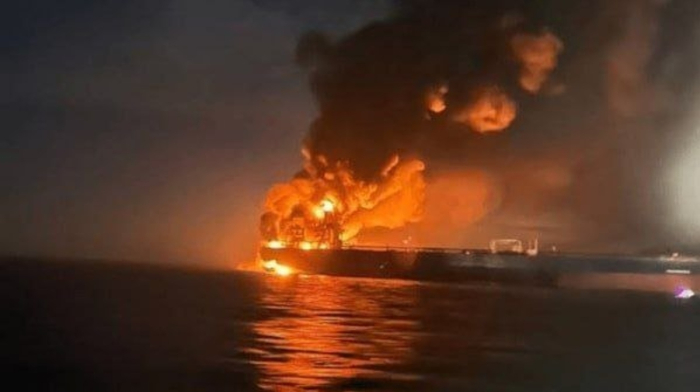
The appeal came as fresh U.S. strikes on Iran and Tehran's retaliatory attacks on American facilities across the Gulf renewed concerns over regional stability, global energy supplies and maritime security.
In a statement, Pakistan's Foreign Office said it was "following with deep concern the recent incidents that are further escalating the regional tensions."
It reiterated Pakistan's "strong support for the sovereignty and territorial integrity of all brotherly countries in the region" and urged all sides to "exercise restraint, take immediate steps towards de-escalation, and uphold respective commitments under the Islamabad Memorandum of Understanding."
"On its part, Pakistan remains committed to providing all support towards achieving lasting peace and stability in the region through dialogue and diplomacy," the statement added.
Dar and Shehbaz renew diplomatic outreach
Deputy Prime Minister and Foreign Minister Ishaq Dar also spoke with Iranian Foreign Minister Seyyed Abbas Araghchi on Sunday to discuss the evolving regional situation.
According to the Foreign Office, Dar urged all parties to pursue de-escalation and exercise restraint in line with commitments made under the Islamabad MoU. He said dialogue and diplomacy remained "the only viable path" to resolving disputes and achieving lasting peace and stability. The two foreign ministers agreed to remain in close contact.
The diplomatic outreach follows Prime Minister Shehbaz Sharif's separate telephone conversations on Friday with Iranian President Masoud Pezeshkian and Qatar's Amir Sheikh Tamim bin Hamad Al Thani.
The prime minister expressed deep concern over the renewed tensions and called on Iran and all other parties to avoid actions that could jeopardise the "hard earned peace gains" achieved in recent months.
He also stressed the importance of implementing commitments under the Islamabad MoU, describing it as an enduring framework for promoting mutual understanding, regional peace and shared prosperity.
Renewed conflict threatens regional stability
The latest escalation comes weeks after the Islamabad MoU was signed on 18 June, establishing a 14-point interim framework aimed at ending hostilities, reopening the Strait of Hormuz and launching negotiations on broader regional security issues.
The renewed fighting has once again placed the Strait of Hormuz at the centre of the crisis, raising concerns over global oil supplies and international shipping through one of the world's most strategically important maritime routes.
Pakistani officials have repeatedly warned that a prolonged confrontation could undermine the diplomatic progress achieved under the Islamabad MoU, destabilise the Middle East and increase pressure on global energy markets, reinforcing Islamabad's call for dialogue before the conflict widens further.











What is your opinion on this topic?
Leave the first comment