Pakistan has issued a nationwide warning as the first spell of monsoon rain coincides with rapid glacier melt in the country's north, raising the risk of flash floods, glacial lake outburst floods, landslides and urban flooding.
Deadly mix of monsoon rain and glacier melt
Pakistan's National Disaster Management Authority (NDMA) has warned all provinces, Gilgit-Baltistan and Pakistan-administered Kashmir to remain on alert from 1 to 4 July as an active monsoon system, combined with westerly weather disturbances and soaring temperatures, is expected to intensify flood risks.
The authority said glacier regions, including the Hisper Hopper catchment in Nagar district, face an increased threat of glacial lake outburst floods, while heavy rainfall could trigger flash floods, debris flows, river erosion and damage to roads, bridges and irrigation infrastructure.
Rain and glacier floods hit northern Pakistan
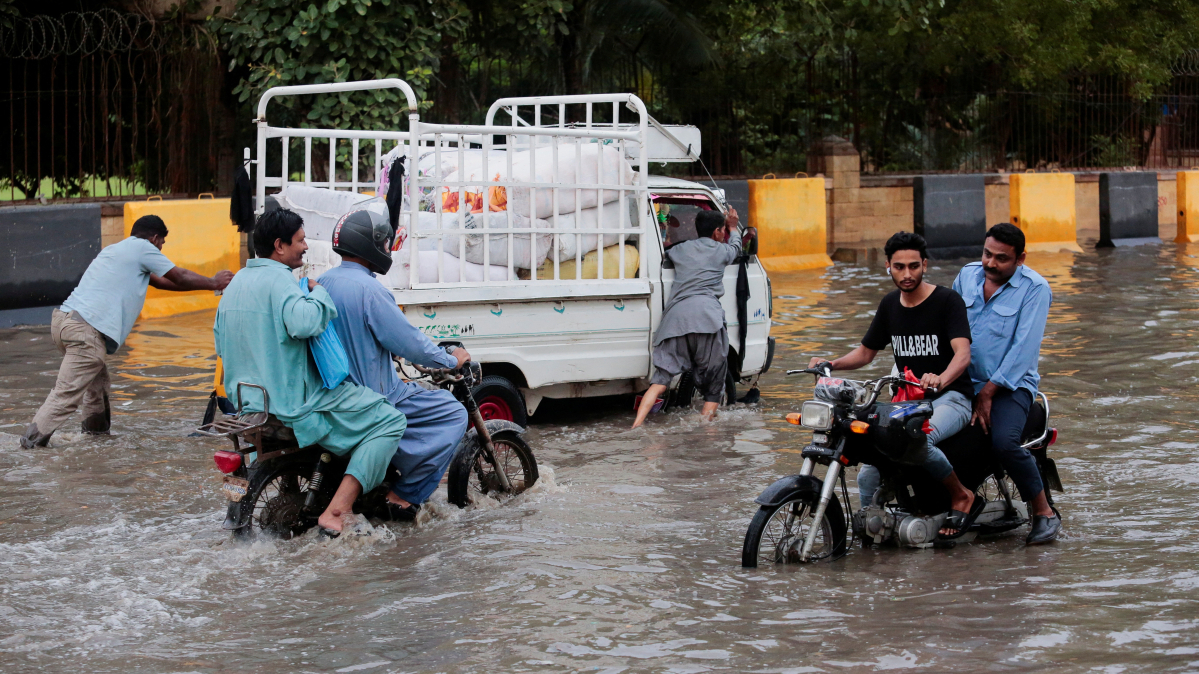
The warning comes as the season's first monsoon rains have killed at least six people and injured 45 others across Punjab and Khyber Pakhtunkhwa. Heavy rain and strong winds caused roofs, walls and billboards to collapse in several districts.
In Gilgit-Baltistan, accelerated glacier melt has already triggered floods and mudslides, damaging roads, bridges, electricity infrastructure and farmland. A flash flood temporarily blocked the Karakoram Highway near the Khunjerab Pass, disrupting traffic on the strategic Pakistan–China trade route before the road was reopened.
Government strengthens disaster preparedness
Prime Minister Shehbaz Sharif has approved the formation of a federal Emergency Response Committee to coordinate disaster preparedness throughout the monsoon season. The committee, led by Planning Minister Ahsan Iqbal, will hold weekly meetings with federal and provincial authorities.
Sharif also directed Climate Change Minister Dr Musadik Malik and NDMA Chairman Lieutenant General Inam Haider Malik to visit all provinces, Gilgit-Baltistan and Pakistan-administered Kashmir to review preparedness. He instructed the finance ministry to establish an emergency fund and ordered provincial governments to clear encroachments from river channels and flood pathways before heavier rainfall arrives.
Officials warned that Pakistan is expected to experience above-normal rainfall and prolonged heatwaves during July, increasing flood risks across vulnerable areas.
Climate change raises the stakes
Pakistan is home to more than 13,000 glaciers, the highest number outside the polar regions, making it particularly vulnerable to glacial lake outburst floods as rising temperatures accelerate glacier melt.
Although Pakistan contributes less than 1% of global greenhouse gas emissions, it remains among the countries most vulnerable to climate change. The latest warnings come less than four years after the devastating floods of 2022 affected 33 million people, highlighting how rising temperatures are increasing the frequency and intensity of extreme weather across South Asia.


















What is your opinion on this topic?
Leave the first comment