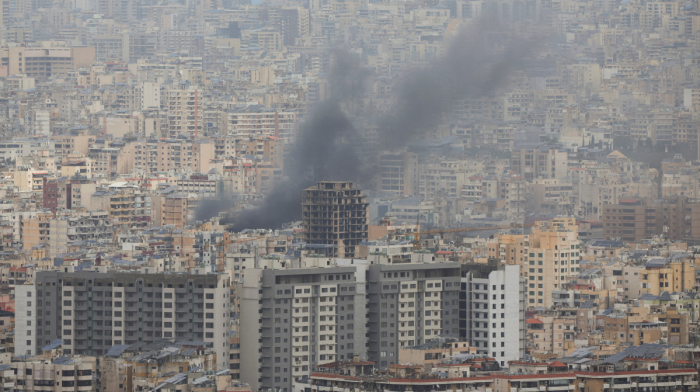
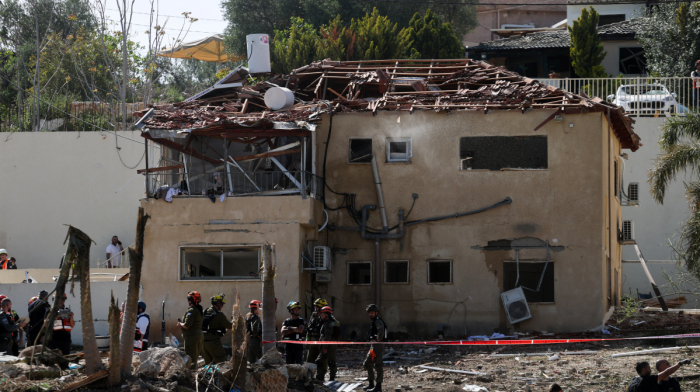
Israel’s targeted airstrikes across Iran on Friday have resulted in the deaths of high-ranking commanders and senior nuclear scientists, dealing a major blow to Iran’s military leadership and technical expertise.
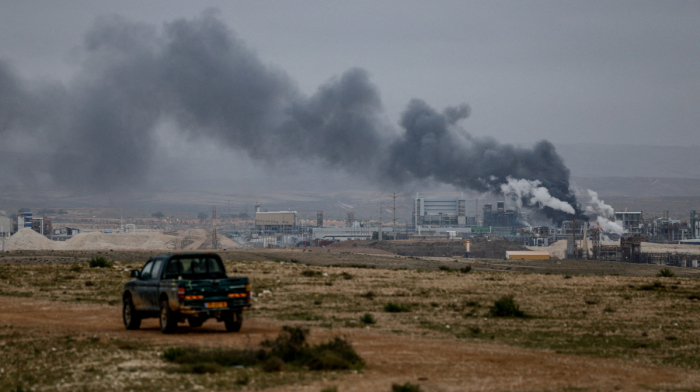
Iran has confirmed the deaths of several senior military commanders and nuclear scientists following Israeli airstrikes across multiple cities, including Tehran, on Friday, 13 June. The operation, referred to by Israel as a pre-emptive measure, marks one of the most consequential single-day losses for Iran’s defence and scientific leadership in recent history.
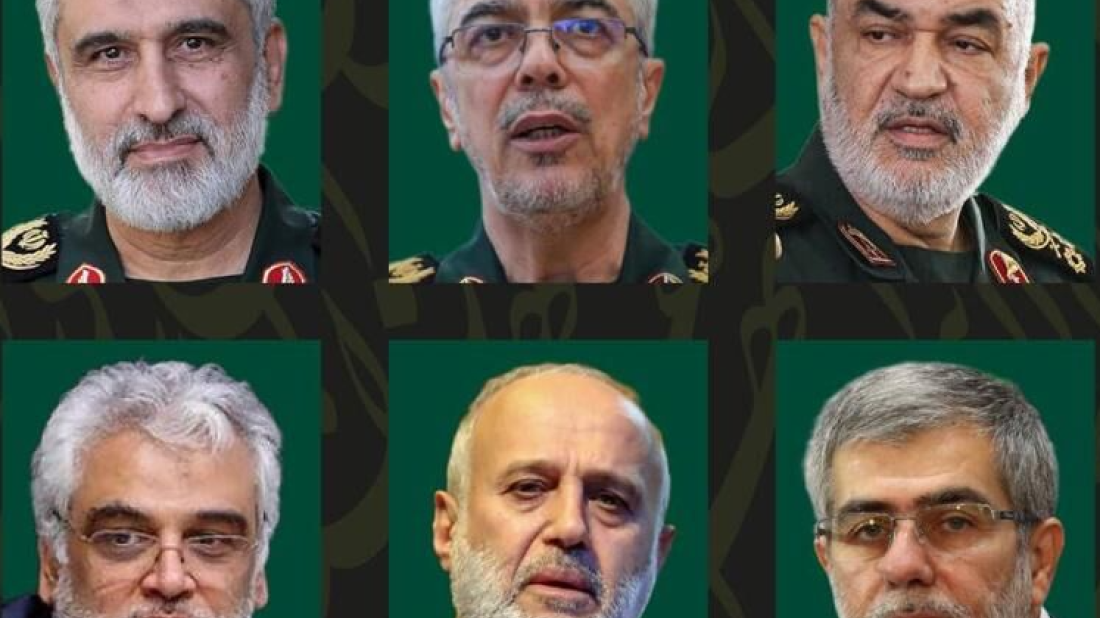
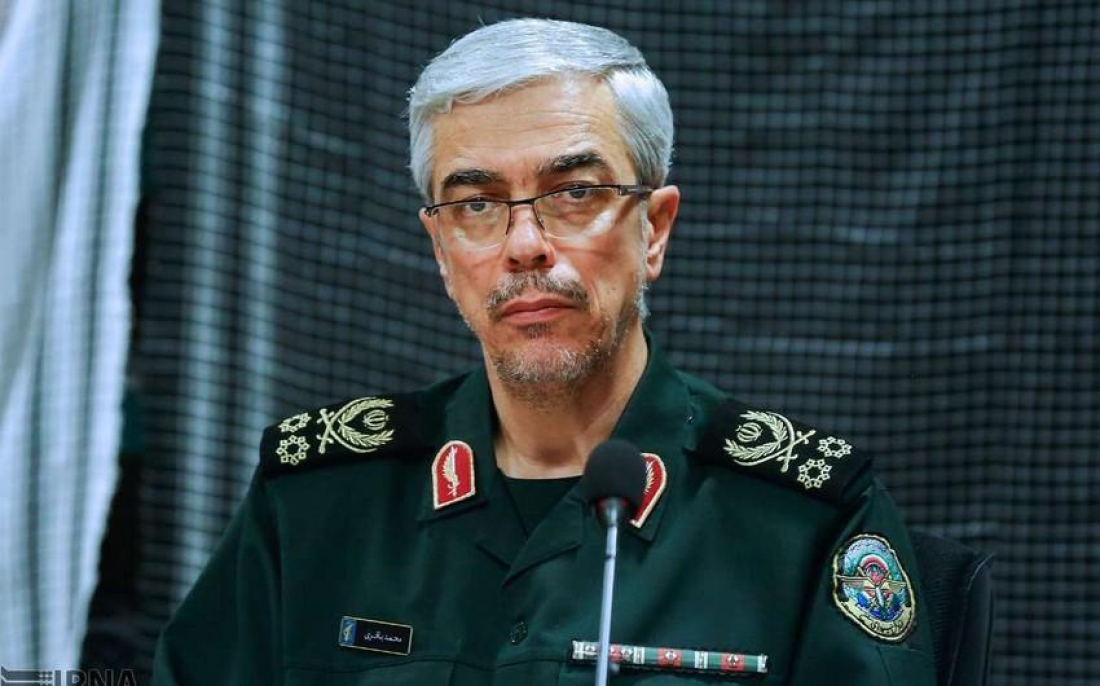
Major General Mohammad Bagheri
Major General Mohammad Bagheri was serving as the Chief of Staff of the Armed Forces of the Islamic Republic of Iran, the country’s highest-ranking military officer. Widely seen as the strategic architect of Iran’s defence policy, Bagheri coordinated operations across the conventional military and the IRGC. His leadership shaped Iran’s regional military posture, including its activities in Syria, Iraq, and Lebanon.
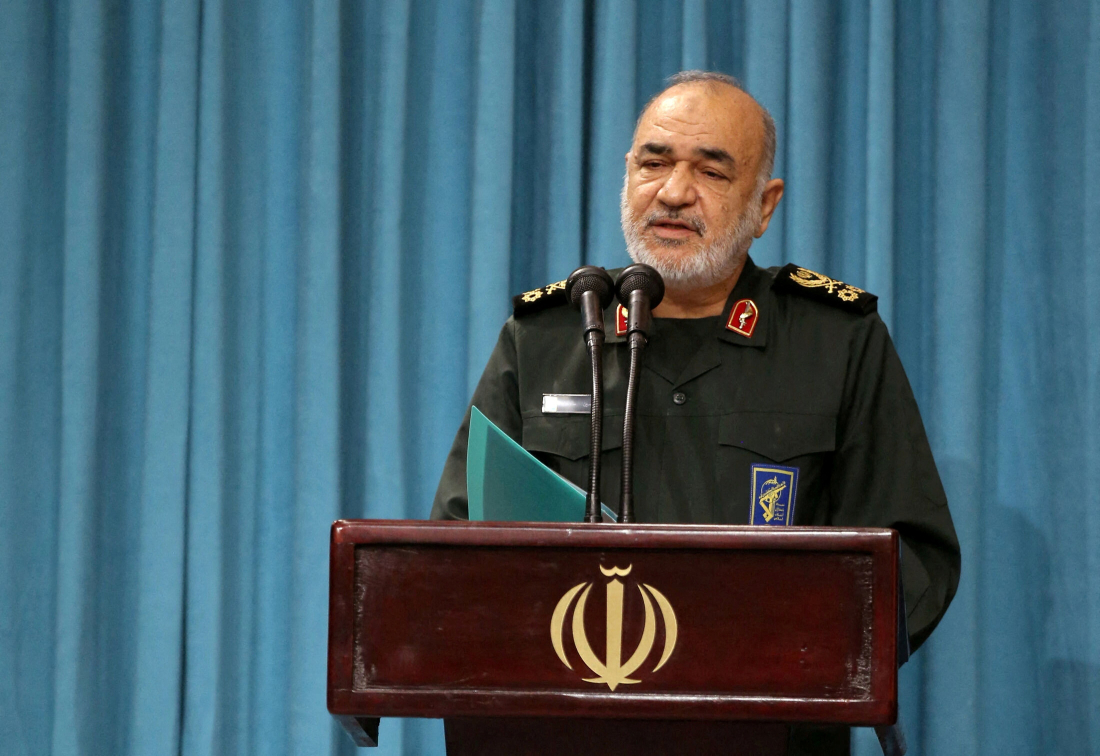
Major General Hossein Salami
Hossein Salami held the position of Commander-in-Chief of the Islamic Revolutionary Guard Corps (IRGC), Iran’s most powerful military and ideological force. Appointed in 2019, he was known for his hardline views and direct involvement in shaping Iran’s missile and drone capabilities. Salami was often seen as a central figure in articulating Iran’s strategic red lines and deterrence doctrine against Israel and the United States.
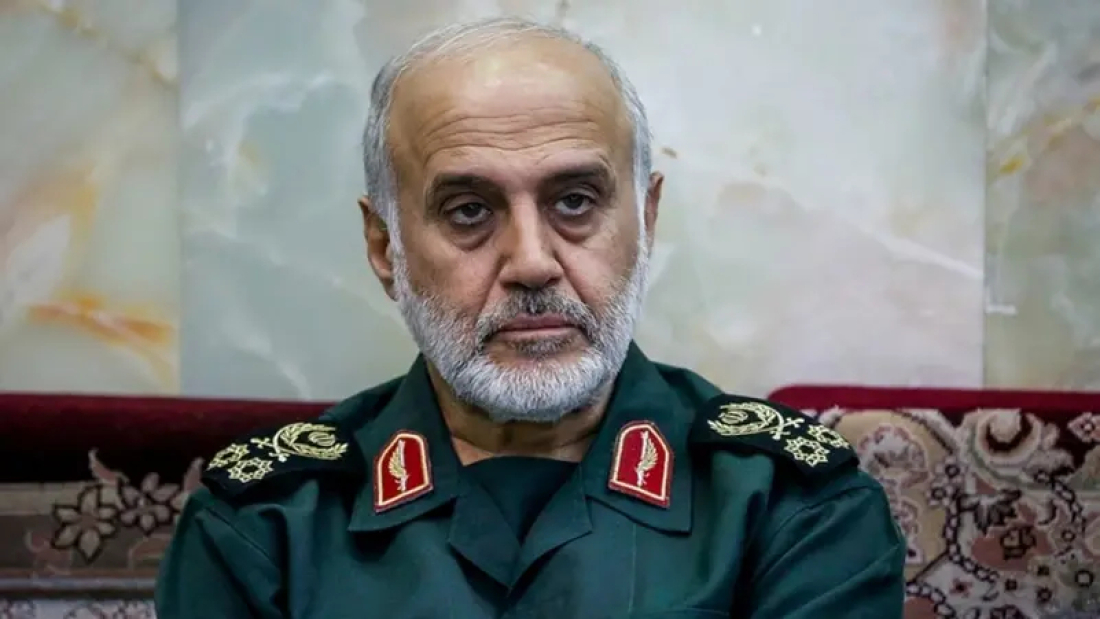
Major General Gholamali Rashid
Gholamali Rashid led the Khatam al-Anbiya Central Headquarters, a strategic command centre responsible for Iran’s wartime operations and defence mobilisation. A veteran of the Iran–Iraq War and a long-time military planner, Rashid was a key figure in Iran’s command-and-control architecture. He maintained close ties with the Supreme Leader’s office and was involved in high-level military crisis planning.
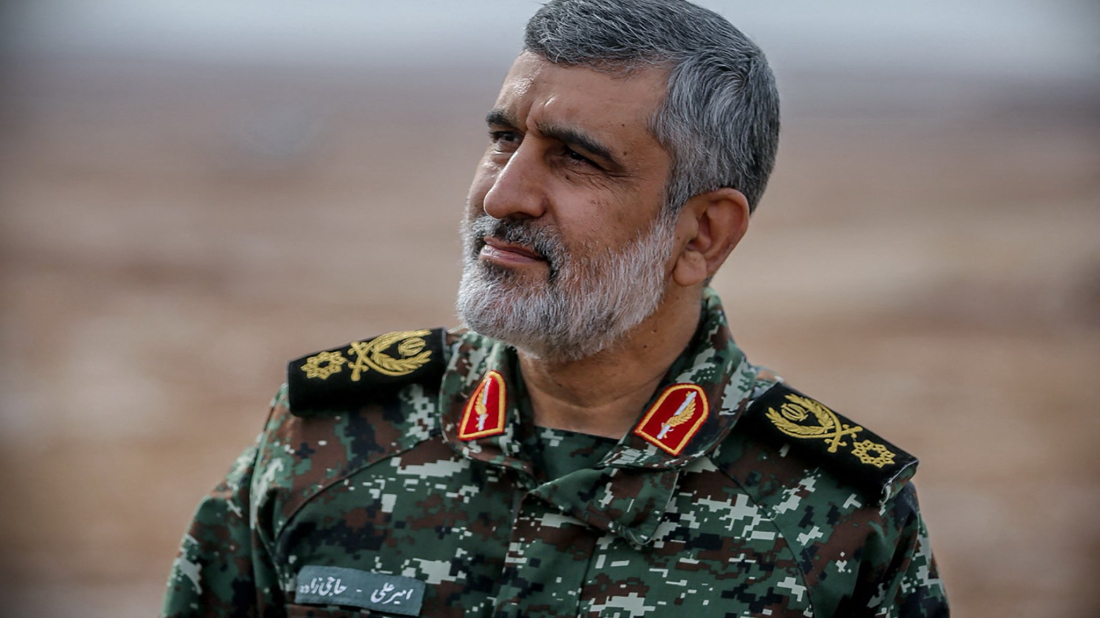
Brigadier General Amir Ali Hajizadeh
Brigadier General Amir Ali Hajizadeh served as the Commander of the Islamic Revolutionary Guard Corps (IRGC) Aerospace Force, overseeing Iran’s missile, drone, and space programs. He played a significant role in developing the country’s ballistic missile and UAV capabilities. His leadership in the Aerospace Force contributed to shaping Iran’s military strategy, particularly in regional conflicts such as those in Syria, Iraq, and Yemen. Hajizadeh's expertise in missile development was key to Iran’s defense strategy.
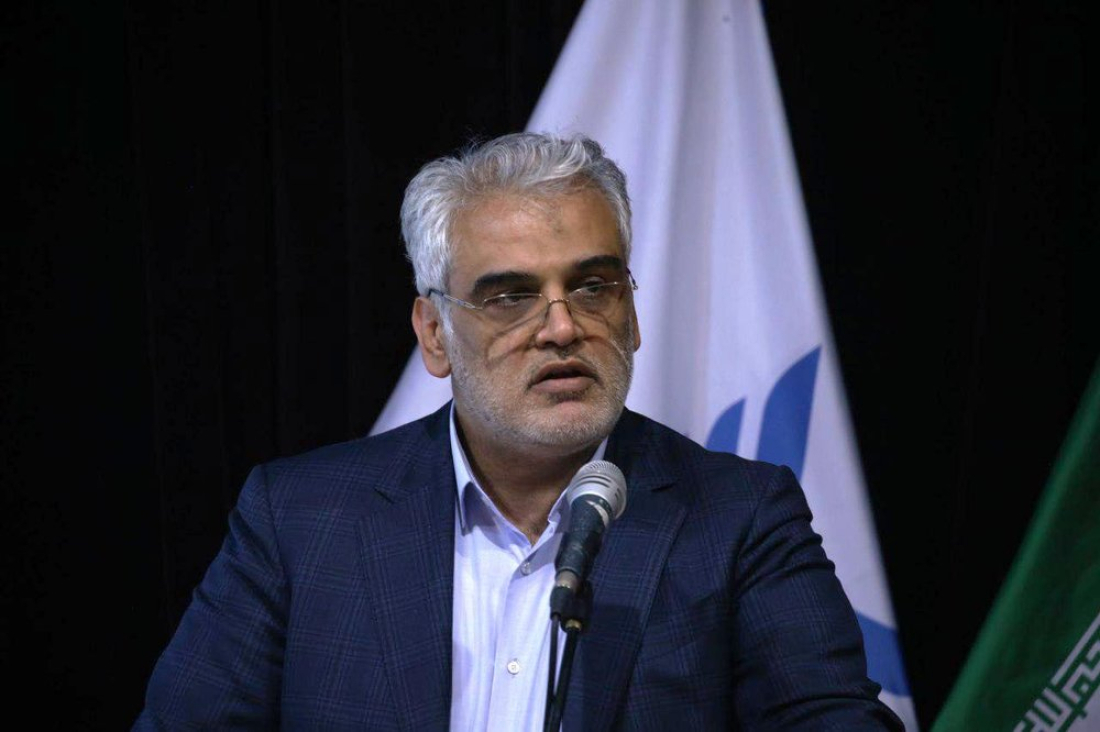
Dr. Mohammad Mehdi Tehranchi
Academic Leader and Nuclear Physicist Linked to Iran’s Research Institutions
Dr. Tehranchi was a distinguished physicist and university leader, holding executive roles in Iran’s academic institutions, including Sharif University of Technology and Islamic Azad University. He played a central role in guiding Iran’s nuclear education sector and was regarded as a mentor to many scientists working in sensitive research areas. His death represents a significant loss for the intellectual infrastructure of Iran’s nuclear development efforts.
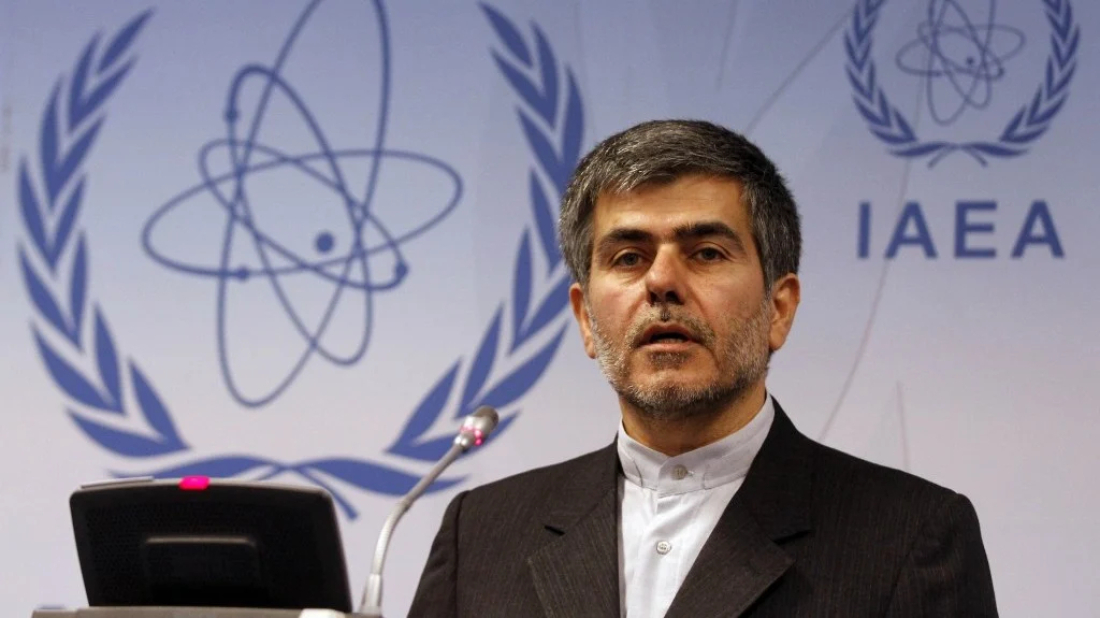
Dr. Fereydoun Abbasi
Former Head of Iran’s Atomic Energy Organisation and Nuclear Policy Architect
A nuclear physicist by training, Dr. Fereydoun Abbasi served as the head of the Atomic Energy Organisation of Iran. He was a central figure in developing Iran’s uranium enrichment capabilities and was previously sanctioned by international bodies for his role in Iran’s nuclear programme. In 2010, he survived an assassination attempt in Tehran. Abbasi remained influential in Iran’s energy and scientific policymaking, often appearing in public discourse defending the country’s nuclear sovereignty.
Other Nuclear Scientists Killed
Iranian state media confirmed the deaths of four additional nuclear scientists: Seyyed Amirhossein Faqhi, Abdolhamid Minouchehr, Ahmadreza Zolfaghari, and an individual identified as Motabizadeh. While limited public information is available about their individual roles, all were described as professors and researchers actively engaged in Iran’s national nuclear programme. They are believed to have worked on reactor systems, advanced centrifuge design, and enrichment technologies. Their deaths constitute a major blow to Iran’s institutional knowledge and scientific continuity in nuclear development.
National Mourning and Government Response
Following the airstrikes, the Iranian government declared a national period of mourning. In a televised message, Supreme Leader Ayatollah Ali Khamenei described the strike as a “bloody and wicked crime” and warned of severe retaliation. “The regime must expect severe punishment,” he said, adding that Iran’s armed forces would respond decisively.
Authorities have urged the public to remain calm and avoid unnecessary travel or panic. The Crisis Management Headquarters called on citizens to rely only on official sources for information and warned digital media users to prioritise public psychological security.













What is your opinion on this topic?
Leave the first comment