Peace only reliable guarantee of Armenia's security - Armenia
Peace is Armenia’s only reliable guarantee of security, Armenian Prime Minister Nikol Pashinyan has said in comments in Dublin, where he also...
Afghanistan and Pakistan have traded heavy fire, both sides said, days after they announced a temporary pause in fighting, escalating tensions in the volatile region as Islamabad prepares to host talks between the U.S. and Iran.
The border clashes came on Sunday, the day Pakistan hosted regional powers to discuss de-escalation in the war in the Middle East, with an announcement that Islamabad could host the talks in coming days.
Both sides used artillery and heavy weapons to hit locations in Afghanistan's Kunar province and its bordering district of Bajur in Pakistan, officials said.
Pakistan's fire killed at least one person and injured another 16, most of them women and children, said Hamdullah Fitrat, a deputy spokesperson for Kabul's Taliban administration.
Pakistan only responded to heavy shelling from Afghanistan, security officials said, denying that it targeted any civilian locations. The officials declined to be identified as they were not authorised to speak to media.
The Pakistani military did not respond to a request for a comment.
Pakistan and Afghanistan's worst fighting in years erupted last month, claiming heavy human losses on both sides.
Kabul said more than 400 people were killed in a Pakistani air strike on a drug rehabilitation centre in the Afghan capital this month before the neighbours suspended fighting.
Pakistan rejected the Taliban's statements about the strike, saying it had "precisely targeted military installations and terrorist support infrastructure".
A pause in hostilities was announced for the Islamic festival of Eid al-Fitr, and also requested by Türkiye, Qatar and Saudi Arabia, which Islamabad ended last week.
Kabul has not yet announced officially whether the ceasefire was still holding form their side.
Islamabad accuses the Afghan Taliban of harbouring and supporting Islamist militants who carry out attacks inside Pakistan. Kabul denies it, saying the militancy is Pakistan's domestic problem.
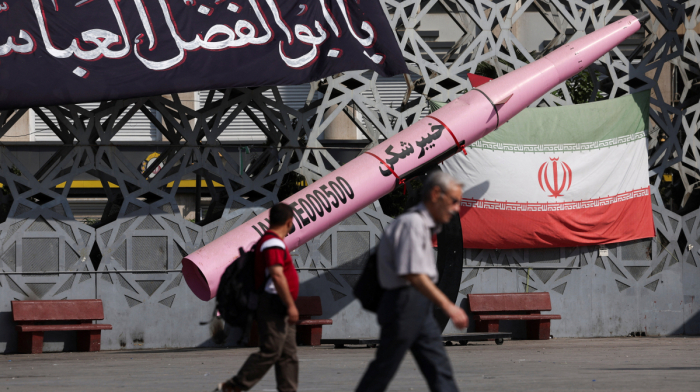
Iran’s Assembly of Experts has backed withdrawing from the Nuclear Non-Proliferation Treaty (NPT) and overhauling the country’s defence doctrine, calling both steps essential to national security and deterrence.
The U.S. Federal Aviation Administration lifted a nationwide ground stop on Friday (13 November) after a communications failure at air traffic control centres caused chaos at airports and triggered the longest nationwide shutdown since the 9/11 attacks in 2001.
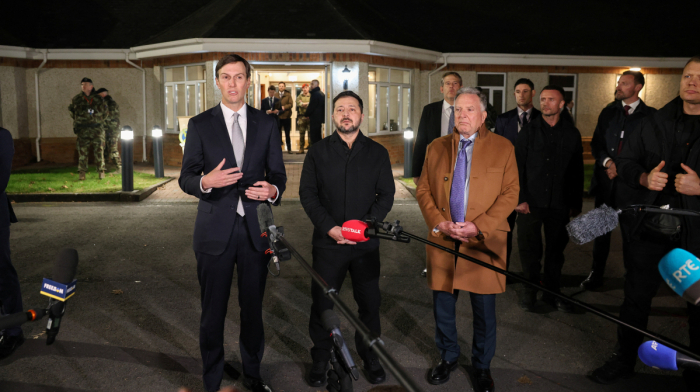
President Vladimir Putin agreed on Thursday to let European representatives join the next round of Ukraine peace talks while the United States continues to work towards what could become the largest prisoner exchange of the Russia-Ukraine war.
Microsoft struggled to restore its services on Friday after a major outage disrupted Outlook, Teams and Copilot across the United States and Asia-Pacific region.
Here's your AnewZ Technology Daily Brief for the 13th of November. This week, a Microsoft outage hit Australian agencies, Google restricted mapping data in South Korea, a lawsuit targeted advanced AI development, and Nvidia faced a leadership crisis after Jensen Huang's resignation.
Peace is Armenia’s only reliable guarantee of security, Armenian Prime Minister Nikol Pashinyan has said in comments in Dublin, where he also commented that the Russian-led Collective Security Treaty Organisation (CSTO) alliance had failed to fulfil its obligations towards Yerevan.
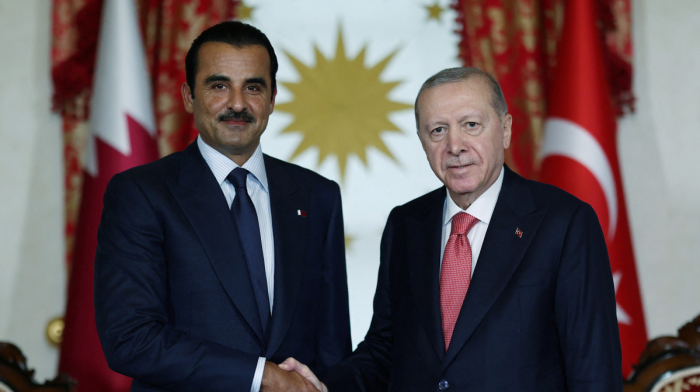
Türkiye and Qatar signed a mutual defence agreement on Friday, November 13, aimed at strengthening collective security and regional stability. The two countries pledged to take a united stance against any external armed attack on either nation.
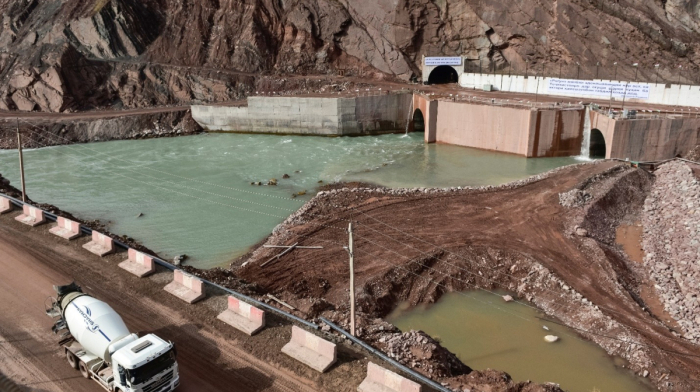
As Central Asia expands its hydropower infrastructure and high-rise construction, seismologists are examining whether large mountain reservoirs could influence earthquake activity. The question is particularly pressing in a region where major cities lie close to active tectonic faults.
As artificial intelligence (AI) becomes part of everyday life, languages with smaller speaker communities risk being left behind. Georgian, spoken by around four million people worldwide, is facing a digital challenge: making sure it is understood by the machines shaping how the world communicates.
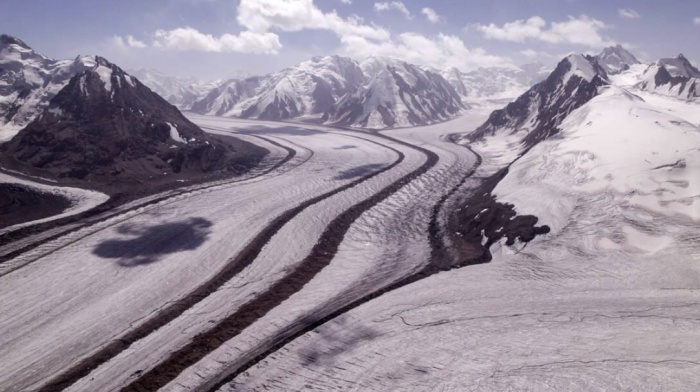
Tajikistan has urged the international community to increase funding to protect shrinking glaciers and help mountain communities adapt to climate change at the COP31 UN climate summit in Antalya, Türkiye.
You can download the AnewZ application from Play Store and the App Store.
What is your opinion on this topic?
Leave the first comment