Afghanistan, Belarus agree to deepen industrial cooperation
Afghanistan and Belarus have agreed to advance joint industrial projects, investment and technical cooperation following talks in Minsk, as Kabul s...
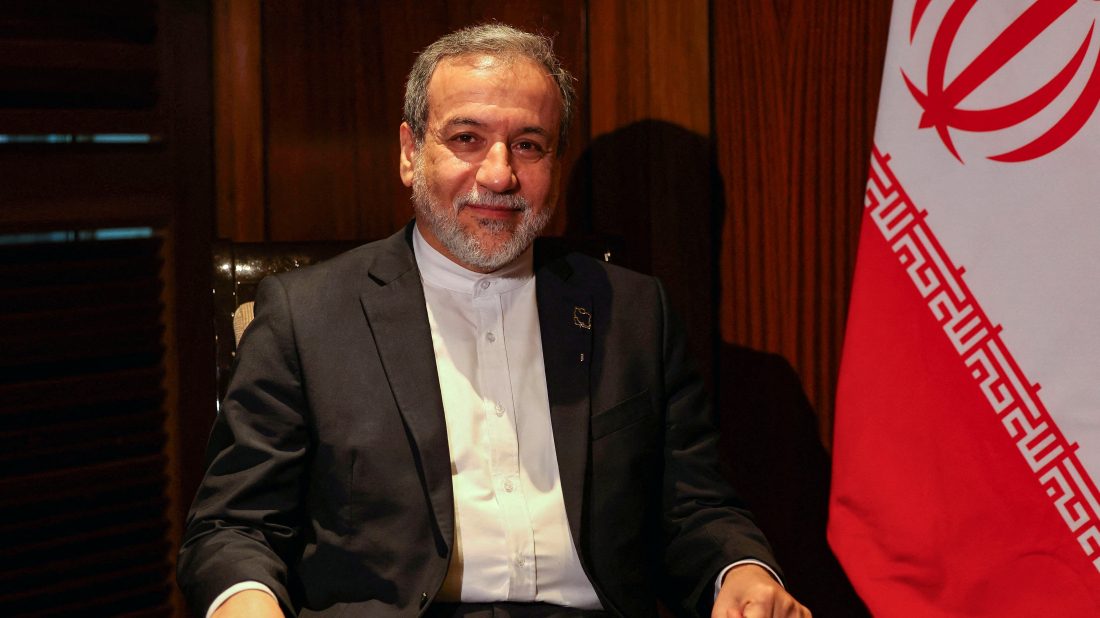
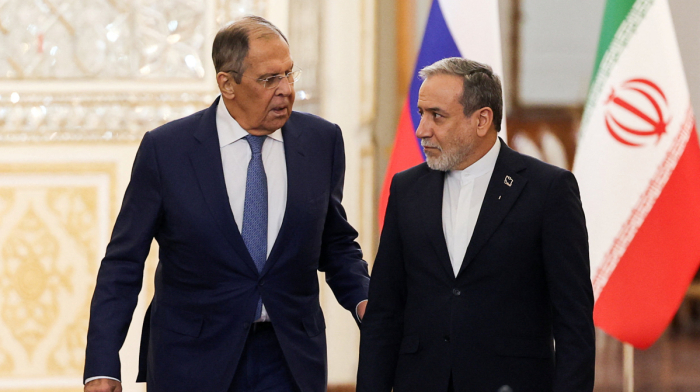
Iranian Foreign Minister Abbas Araghchi in a meeting with the Director General of the International Atomic Energy Organization (IAEA) Rafael Grossi in Cairo has categorically dismissed the UN nuclear agency’s new report on Tehran’s nuclear program.
Foreign Minister Araghchi who was in the Egyptian capital on the invitation of his Egyptian counterpart Badr Abdelatty for a bilateral visit also met the IAEA chief in the presence of the Egypt’s top diplomat.
According to official media reports, Iran’s foreign minister strongly criticized the “baseless allegations” in the UN watchdog’s report which will be discussed at its upcoming Board of Governor’s meeting in Vienna next week.
Since sections of the IAEA report on Iran’s enriched uranium stockpile was published last weekend, Tehran has blasted it as ‘politically motivated and unbalanced’.
Araghchi urged Grossi on phone to report the facts on Iran’s cooperation with the UN nuclear agency.
Iran says it has no undeclared nuclear material or activity and warned it will respond to an IAEA decision based on the emerging conditions and developments.
In the meantime, Iran confirmed it received the US proposal on its nuclear program. Foreign minister Araghchi told a cabinet meeting the response is being prepared.
The proposal was relayed to Iran by Omani Foreign Minister who is mediating the indirect talks between Iran and the US since April.
The Iranian side has not disclosed the contents of the US proposal.

The collective-defence agreement between Türkiye, Saudi Arabia and Pakistan signals that regional powers no longer want to rely solely on external security guarantees. Whether it becomes a stabilising deterrent or another axis of rivalry remains unresolved.
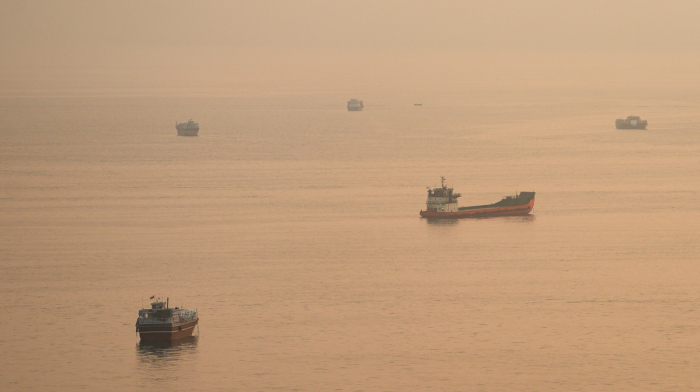
Shipping through the Strait of Hormuz has slowed, according to the latest data, as uncertainty over the waterway’s reopening kept most shipowners away. Six commodity vessels crossed the strait on Tuesday, down from nine the day before and below the 10-day daily average of 11.
Shipping traffic through the Strait of Hormuz remains limited on Thursday, with no increase in vessel crossings as U.S.-Iran talks to resolve the conflict remained stalled. Nine commodity vessels transited the key waterway on Wednesday, unchanged from the previous day, according to Kpler data.
Iran has said the Strait of Hormuz will remain closed until the U.S. fulfils the terms of an interim deal, including lifting the maritime blockade and sanctions and releasing Iran’s frozen assets.
Start your day informed with AnewZ Morning Brief. Here are the top news stories for the 19th of August, covering the latest developments.
Afghanistan and Belarus have agreed to advance joint industrial projects, investment and technical cooperation following talks in Minsk, as Kabul seeks Belarusian machinery and support to develop domestic manufacturing.
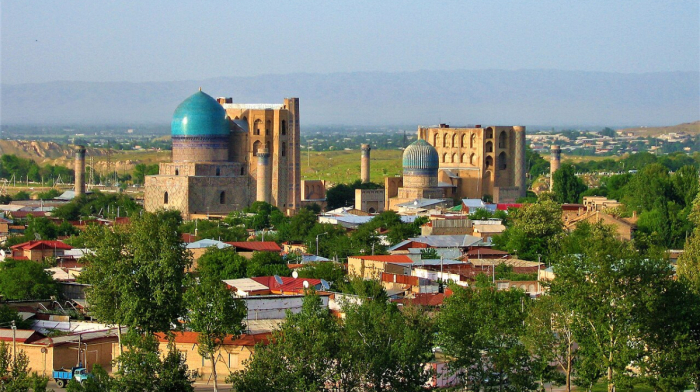
Uzbekistan and Azerbaijan are drawing up a new programme aimed at boosting bilateral trade to $1 billion by 2030, as the two countries move to deepen economic and industrial ties.
Syria says it assured Israel that Türkiye had no plans to establish a military presence at the Abu al-Duhur airbase before Israeli forces struck the site on Tuesday.
Israeli Prime Minister Benjamin Netanyahu has issued his strongest warning yet over Türkiye's growing military role in Syria, saying Israel will not accept Turkish forces expanding their presence further south.
Azerbaijan’s support for Ukraine could provide a model for neighbouring countries seeking to strengthen their sovereignty, the director of development at an organisation supporting Ukraine’s armed forces has told AnewZ.
You can download the AnewZ application from Play Store and the App Store.
What is your opinion on this topic?
Leave the first comment