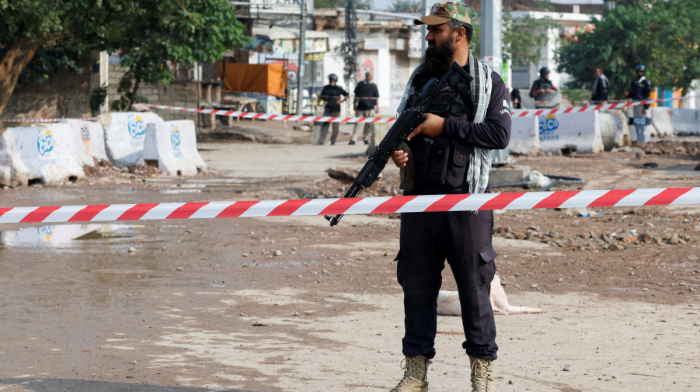
What happened at Temple Israel? Key details on the Detroit-area synagogue attack
A suspect crashed his truck into the hallway of a Detroit-area synagogue where children were attending preschool on T...
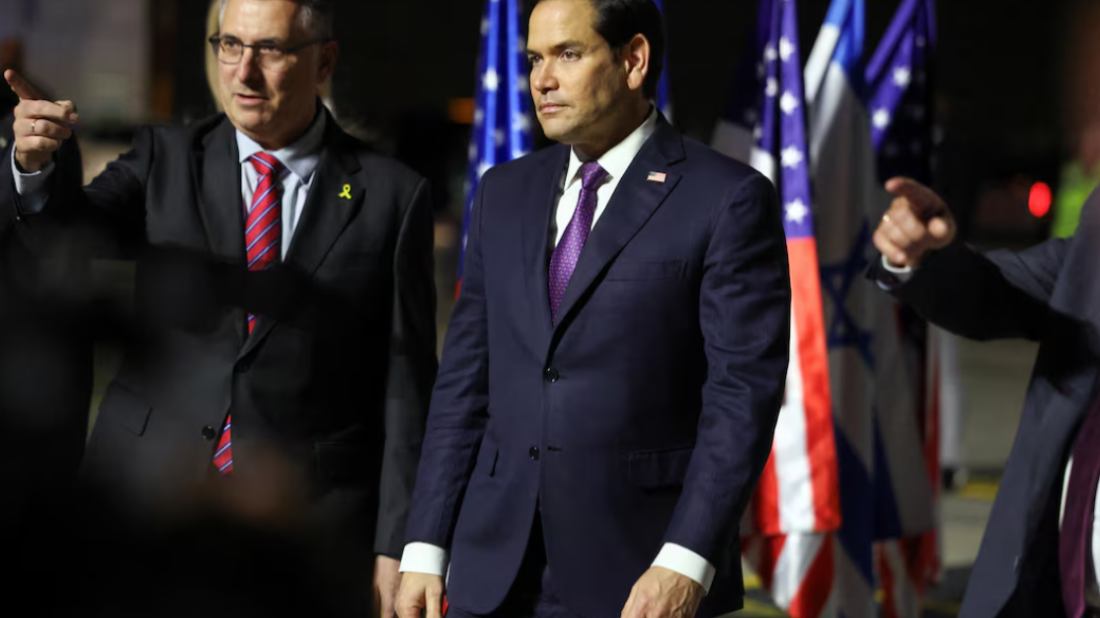
US Secretary of State Marco Rubio began his Middle East tour on Sunday, meeting Israeli Prime Minister Netanyahu to discuss President Trump’s controversial proposal for Gaza.
US Secretary of State Marco Rubio kicked off his first Middle East tour on Sunday with a meeting in Jerusalem with Israeli Prime Minister Netanyahu. The primary focus of the discussions is President Trump’s controversial proposal to take control of Gaza and relocate its residents — a plan that has raised international concern.
During the meeting, Rubio is expected to strongly back the proposal, which would drastically alter Gaza’s political and humanitarian landscape. Critics, however, warn of the potential destabilizing effects and the challenges of resettling thousands of people.
Rubio’s visit highlights the strong US-Israel alliance, but it also underscores the complexities of addressing the Israeli-Palestinian conflict. With tensions already high, the tour is seen as a critical moment for US foreign policy in the region. The next steps of this high-stakes diplomatic journey could have lasting impacts on the future of Gaza and the broader Middle East.

The 32 countries belonging to the Internatioanl Energy Agency agreed to release 400 million barrels of oil on Wednesday (11 March), in efforts aimed at bringing down the price of crude oil, which has soared since fighting between Iran, Israel and the U.S. started at the end of February.
The U.S. should shut down its military bases in the Middle East, Iran's new Supreme Leader Mojtaba Khamenei said on Thursday (12 March). His words were read out by a broadcaster on state Iranian television.
A towering lava fountain from Kilauea shot about 400 metres into the air late on Tuesday (11 March) on Hawaii Island, prompting temporary closures at Hawaii Volcanoes National Park and part of a key highway as volcanic ash and debris fell over nearby areas.
More than 68,000 children in eastern Afghanistan have been displaced after clashes between Afghan and Pakistani forces intensified along the border, according to a new report by Save the Children.
Georgia has cancelled international tenders for the construction of major road sections that form part of a regional highway linking the country with the borders of Armenia and Azerbaijan.
Iran should continue “blocking the Strait of Hormuz,” while the U.S. should “shut” its Middle East military bases, new Iranian Supreme Leader, Mojtaba Khamenei, said on Thursday in his first speech since being elected. He is still yet to appear in public, and a broadcaster read out his words.
International security and climate change are top of the agenda as leaders and policymakers from around the world meet at the 13th Global Baku Forum in the Azerbaijani capital this week.
Fifteen Turkish-owned vessels remain stranded in the blockaded Strait of Hormuz, Türkiye’s Transport and Infrastructure Minister Abdulkadir Uraloğlu said on Wednesday.
New Iranian Supreme Leader Mojtaba Khamenei has said Iran should continue ‘blocking the Strait of Hormuz’ in his first statement since his election, read out on Iranian State television on Thursday (12 March).
Iran’s President Masoud Pezeshkian has set recognition of Tehran’s inalienable rights, payment of war compensation, and international guarantees against any future invasion as conditions for ending the U.S.–Israel war with the Islamic Republic.
You can download the AnewZ application from Play Store and the App Store.
What is your opinion on this topic?
Leave the first comment