Trump says additional talks with Iran expected on Friday
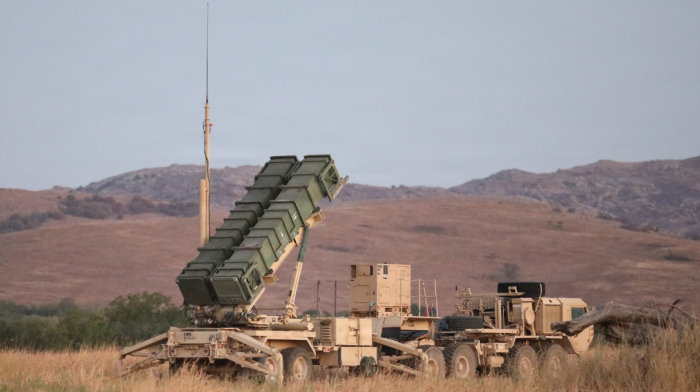
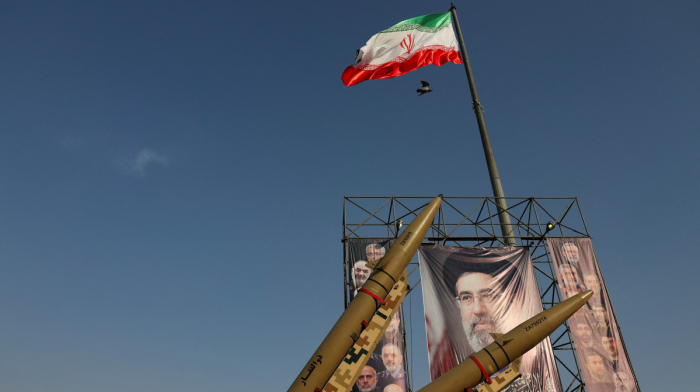
Tensions between the U.S. and Iran are escalating, with Washington ordering a significant military build-up in the region and multiple countries evacu...
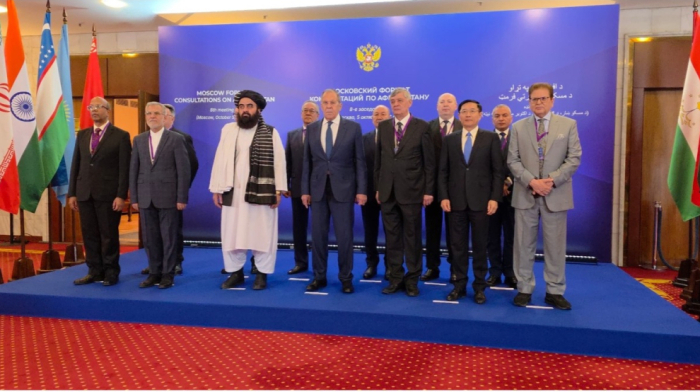
The Special Representatives and Envoys of Central Asian States and the European Union gathered for a meeting in Tajikistan to discuss the situation in Afghanistan. Participants examined the country’s socio-economic and political conditions, focusing on human rights concerns, particularly those affecting women and girls, alongside security challenges and emerging threats.
Tomas Niklasson, the EU’s Special Envoy for Afghanistan, attended the meeting and held discussions with Tajikistan’s Foreign Minister, Sirojiddin Muhriddin. Both emphasized the fragile situation in Afghanistan and stressed the importance of ensuring regional stability. Additionally, they explored potential approaches to address shared challenges during their talks.
This gathering underscores the continuous collaboration between regional countries and the international community to coordinate support for Afghanistan and address regional security challenges. Over the years, Special Representatives and Envoys for Afghanistan have convened multiple times to adapt to the evolving situation in the country. To date, the UN has organized three meetings of special envoys on Afghanistan in Doha, Qatar.
The most recent of these meetings took place in July 2024, with the de facto authorities of Afghanistan attending only one of the three sessions. The previous meeting in Central Asia, held in Bishkek, Kyrgyzstan, included the UN Special Representative for Afghanistan, Roza Otunbaeva, EU officials, and representatives from the five Central Asian states, but no delegates from the de facto authorities were present. Discussions centered on coordinated efforts to support the Afghan people and preparations for the upcoming international conference in Doha.
These gatherings highlight the joint efforts of regional states and the international community to share perspectives on Afghanistan’s evolving situation and its broader regional impact. Participants reaffirmed their commitment to fostering cooperation aimed at supporting the Afghan people, strengthening regional security, and building resilience to address the challenges facing Afghanistan while promoting stability in the region.

Tensions between the U.S. and Iran are escalating, with Washington ordering a significant military build-up in the region and multiple countries evacuating diplomatic staff amid fears of further instability.
The death toll from heavy rains and flooding in Brazil’s Minas Gerais state has risen to 46, authorities said, with 21 people still reported missing. The storms triggered landslides and widespread flooding, displacing thousands across Juiz de Fora and Uba.
The situation in Cuba was heating up and called for restraint following a deadly incident involving a Florida-registered speedboat off the coast of the Caribbean island, the Kremlin said on Thursday (26 February).
Venezuela’s Attorney General Tarek William Saab and Ombudsman Alfredo Ruiz tendered their resignations to the National Assembly on Wednesday. Neither official has publicly provided reasons for stepping down.
Pakistani air strikes hit a weapons depot on the western outskirts of Kabul overnight, triggering hours of secondary explosions that rattled homes across the Afghan capital and left residents fearing further violence.
Abdullah Öcalan, the jailed leader of the outlawed Kurdistan Workers’ Party (PKK), issued a statement on Friday (27 February) calling on Ankara to adopt legislation aimed at promoting political inclusion.
Pakistani air strikes hit a weapons depot on the western outskirts of Kabul overnight, triggering hours of secondary explosions that rattled homes across the Afghan capital and left residents fearing further violence.
Pakistan’s declaration of an “open war” with Afghanistan must be understood in the context of months of escalating violence, regional analysts have said, describing the latest developments as a significant shift in the nature of the conflict.
Israeli strikes killed five people in Gaza on Thursday (26 February), according to health officials in the territory. The Israeli military said separately that it had killed a militant who posed an imminent threat to its forces in southern Gaza.
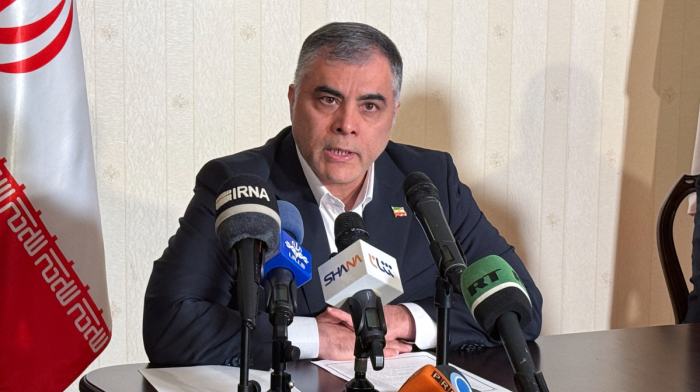
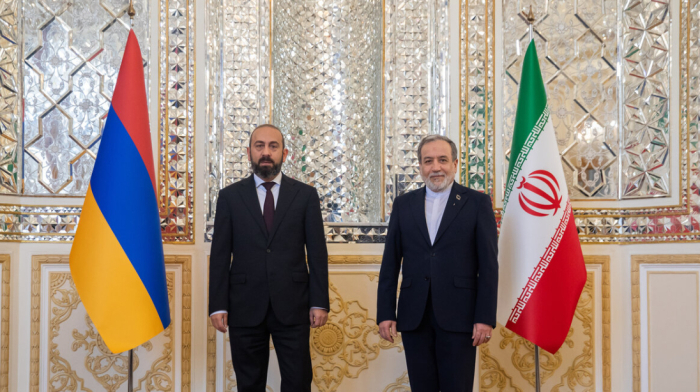
Iran’s Foreign Minister Abbas Araghchi on Friday urged Afghanistan and Pakistan to resolve their differences through dialogue, offering Tehran’s assistance to facilitate understanding between its eastern neighbours.
You can download the AnewZ application from Play Store and the App Store.
What is your opinion on this topic?
Leave the first comment