Azerbaijan facilitates new grain transit to Armenia as regional trade expands
Another shipment of grain was sent to Armenia via transit through Azerbaijani territory on 4 February. The latest delivery consisted of eight wagons c...
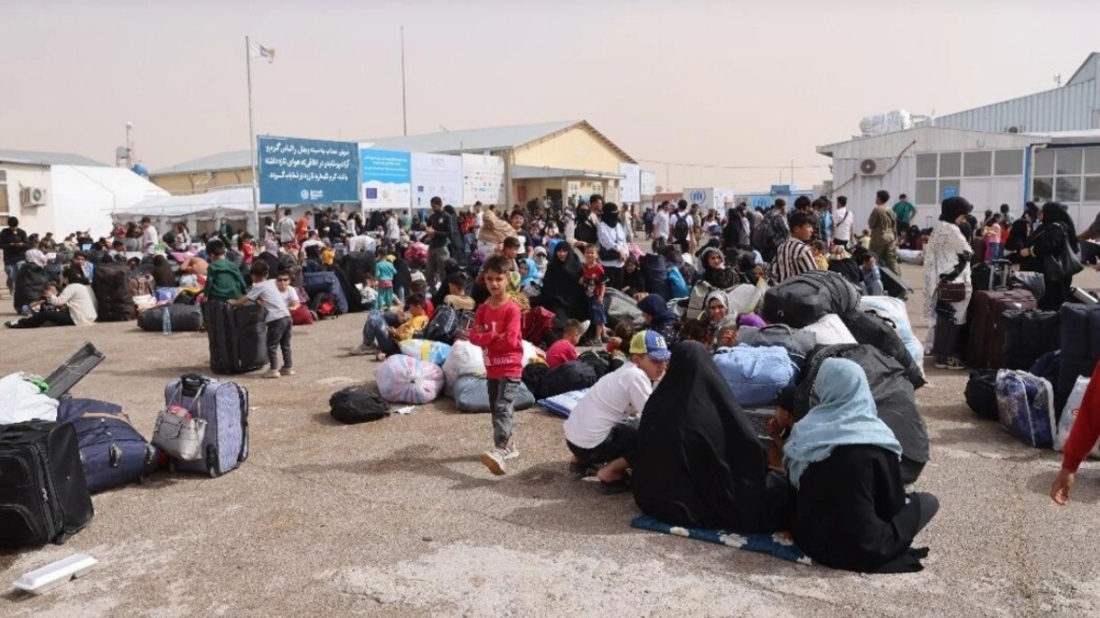
The United Nations Refugee Agency (UNHCR) calls on the international community to urgently increase funding to protect more than 1.4 million people who have returned or been forced to return to Afghanistan so far this year, including more than 1 million from Iran.
The United Nations High Commissioner for Refugees (UNHCR) has reported a significant surge in the number of Afghans returning from Iran and Pakistan in recent months, marking a sharp departure from previous trends.
The UNHCR said that its response in Afghanistan this year is only 28% funded.
According to the agency, daily returns from Iran have increased significantly after 13 June, with the highest number recorded on 1 July, when more than 43,000 individuals crossed the border back into Afghanistan. This figure represents a dramatic rise compared to the January–June daily average of 5,000 returns.
Meanwhile, returns from Pakistan began accelerating earlier in the year, with nearly 150,000 people making the journey back to Afghanistan in April alone.
Another UN agency - the International Organization of Migration - stated on Monday that nearly 450,000 Afghans had returned from Iran since the beginning of June following a directive by Tehran for undocumented Afghans to leave the country by 6 July.
In late May, Iranian authorities announced that all undocumented Afghan nationals must depart by the deadline, a move that could affect up to four million people out of the estimated six million Afghans currently living in Iran, according to Iranian government figures.
The UNHCR has raised concerns about the humanitarian implications of these large-scale return movements, noting forcing or pressuring Afghans to return risks further instability in the region, and onward movement towards Europe.
"Immense challenges lie ahead for returnees, from accessing documentation, housing healthcare and education, to rebuilding their lives in a country they do not know. It is particularly worrying as returns are highly concentrated in just a few areas. Returns mark the start of a difficult journey in a country facing multiple, overlapping crises, and struggling to recover after four decades of instability. For women and girls in particular, life in Afghanistan brings extreme restrictions," UNHCR said.

Cuba’s Deputy Foreign Minister Carlos Fernández de Cossío has denied that Havana and Washington have entered formal negotiations, countering recent assertions by U.S. President Donald Trump, while saying the island is open to dialogue under certain conditions.
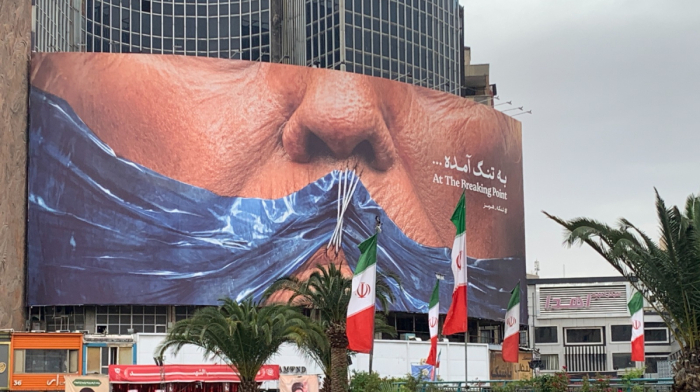
Talks with the U.S. should be pursued to secure national interests as long as "threats and unreasonable expectations" are avoided, President Masoud Pezeshkian posted on X on Tuesday (3 February).
Mexico said it will stop sending oil to Cuba as U.S. President Donald Trump ramped up pressure on the Caribbean nation.
Elon Musk’s rocket company SpaceX has acquired his artificial intelligence firm xAI, as the billionaire moves to bring more of his technology businesses under one structure.
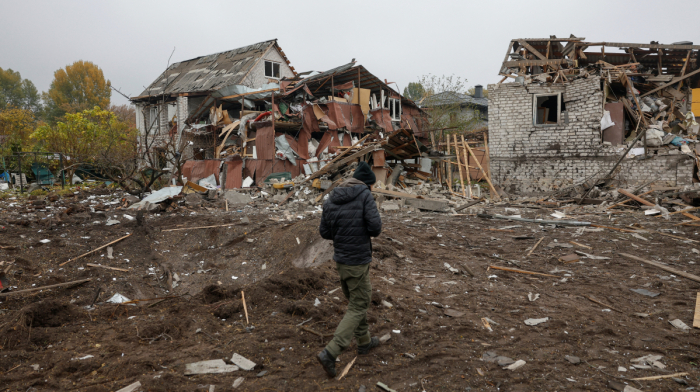
Ukrainian President Volodymyr Zelenskyy accused Russia on Tuesday (3 February) of exploiting a U.S.-backed energy ceasefire to stockpile weapons and launch large-scale drone and missile attacks on Ukraine ahead of peace talks.
Another shipment of grain was sent to Armenia via transit through Azerbaijani territory on 4 February. The latest delivery consisted of eight wagons carrying 560 tonnes of grain dispatched from Azerbaijan to Armenia.
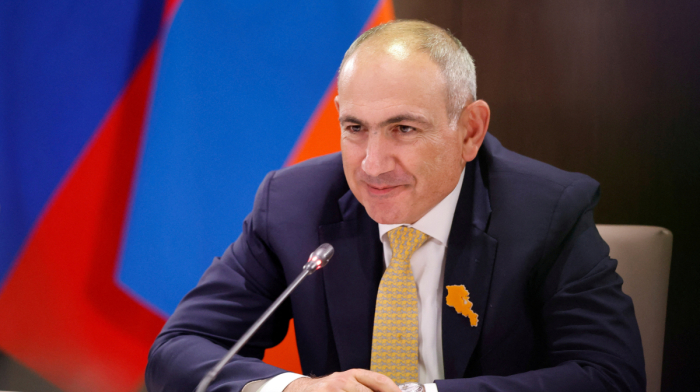
Azerbaijan and Armenia used a high-profile international platform in Abu Dhabi on Tuesday to underline growing trade ties, expanding cooperation and what both leaders described as an irreversible turn towards peace after decades of conflict.
Afghan officials and international partners met in Kabul on Wednesday (4 February) for the fourth meeting of the Doha Process Working Group on Counter-Narcotics, with officials citing a reduction in poppy cultivation to “nearly zero” as efforts to curb drug production and trafficking were reviewed.
Uzbekistan is accelerating plans to expand uranium production and deepen international nuclear cooperation, positioning the sector as a pillar of long-term industrial growth and resource security.
Kazakhstan President Kassym-Jomart Tokayev is visiting Pakistan as both countries seek to expand trade and unlock new transport routes linking Central Asia to the Indian Ocean, despite ongoing security and infrastructure challenges.
You can download the AnewZ application from Play Store and the App Store.
What is your opinion on this topic?
Leave the first comment