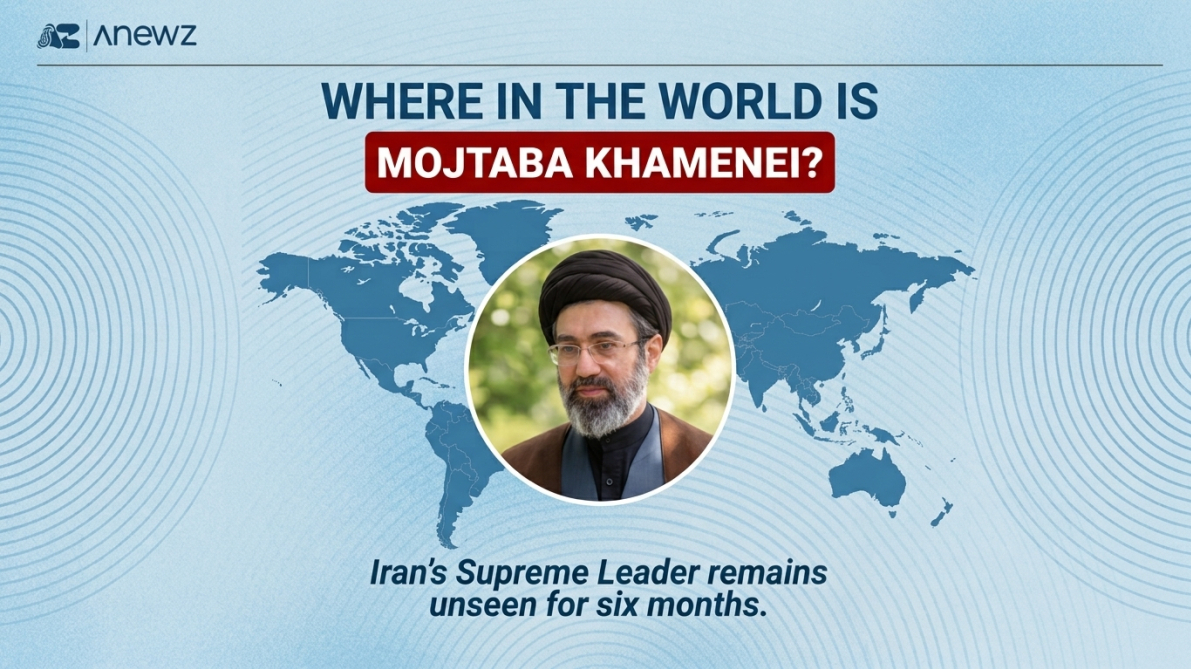
Six months after the strikes that killed his father and left him seriously wounded, Iran’s Supreme Leader Mojtaba Khamenei has remained absent from public view, raising questions over his condition, his ability to govern and how power is being exercised behind the scenes.
Mojtaba Khamenei, 56, was selected by Iran’s Assembly of Experts on 8 March, days after his father, Ayatollah Ali Khamenei, was killed in U.S.-Israeli strikes on 28 February that launched the war.
Since his appointment, there has been no verified public photograph, video or audio recording of him. He was also absent from his father's funeral ceremonies in July.
Iranian officials and senior figures close to the leadership maintain that Mojtaba is alive and continues to exercise ultimate authority from a secure location. They say his absence is necessary because of the continuing threat of assassination, while written statements and decisions continue to be issued in his name.
But the absence of independent evidence about his current physical condition has fuelled speculation inside and outside Iran.
Mojtaba was wounded during the opening strikes of the war. The precise extent of his injuries has not been officially disclosed by Tehran. However, Reuters reported in August, citing senior Iranian sources, that he was badly wounded and disfigured.
United States' position
U.S. President Donald Trump said on 26 August that he believed Mojtaba was alive but had been “very seriously wounded”. Trump said the injuries affected the left side of his body, including his arm and leg.
He said his assessment was partly based on the behaviour of Iranian negotiators, who, according to Trump, continued to say they needed to consult Khamenei before giving final approval to decisions.
Earlier U.S. media reports, citing unnamed Iranian officials, said Mojtaba had undergone several operations on his arms and legs and suffered severe burns to his face and lips that affected his ability to speak.
U.S. Defence Secretary Pete Hegseth also said he had been wounded and was likely disfigured. Tehran has not publicly confirmed those details.
Iranian officials' response
Iranian officials have offered a different picture of his condition.
President Masoud Pezeshkian said in August that he had held a seven-hour meeting with the Supreme Leader.
Other senior Iranian sources told Reuters that Khamenei was receiving reports, meeting senior figures and retaining the final say on major decisions. These claims have not been independently verified through a public appearance by Mojtaba.
On 30 August, Mojtaba issued a written message for Islamic Unity Week, published on his Telegram account, urging Muslim countries, particularly Gulf states, to unite against what he called their “real enemy”.
He called for greater cooperation and mutual defence, saying divisions among Muslims served the interests of their adversaries.
The message was another public communication issued in his name, but did not provide visual or audio evidence of his condition.
Why has Iran not shown him?
Iranian officials say security is the main reason.
According to senior sources, only a small number of officials have direct contact with Mojtaba in person. They say publishing details about his location or movements could provide information that would allow the United States or Israel to target him.
A former Iranian official and relative of the Khamenei family, Mohammad Hossein Khoshvaght, told The Atlantic that fewer than five people had met Mojtaba since March because of security precautions.
Pezeshkian has also previously described communication with the Supreme Leader as “extremely difficult”.
Speculation spreads
The explanation has not prevented doubts from spreading.
Even among supporters of the Islamic Republic, the prolonged absence has become a source of concern. Media reported that a Basij member in Qom said supporters needed to hear Mojtaba's voice or see evidence that he was present and leading the country.
For opponents of the system, the questions are more direct. Some have questioned whether Mojtaba is alive and whether he is personally making decisions.
That uncertainty matters because the Supreme Leader occupies a uniquely powerful position within Iran's political system. His authority is intended to provide a final point of decision-making above competing political and security institutions.
Who is actually running Iran?
The question has become more important as the war has increased the importance of Iran's security institutions.
Iran's political system survived the killing of Ali Khamenei and several senior commanders, but the conflict has placed enormous pressure on the country. The economy has been damaged by the war, sanctions and restrictions on oil exports, while the government faces continuing social and political pressures.
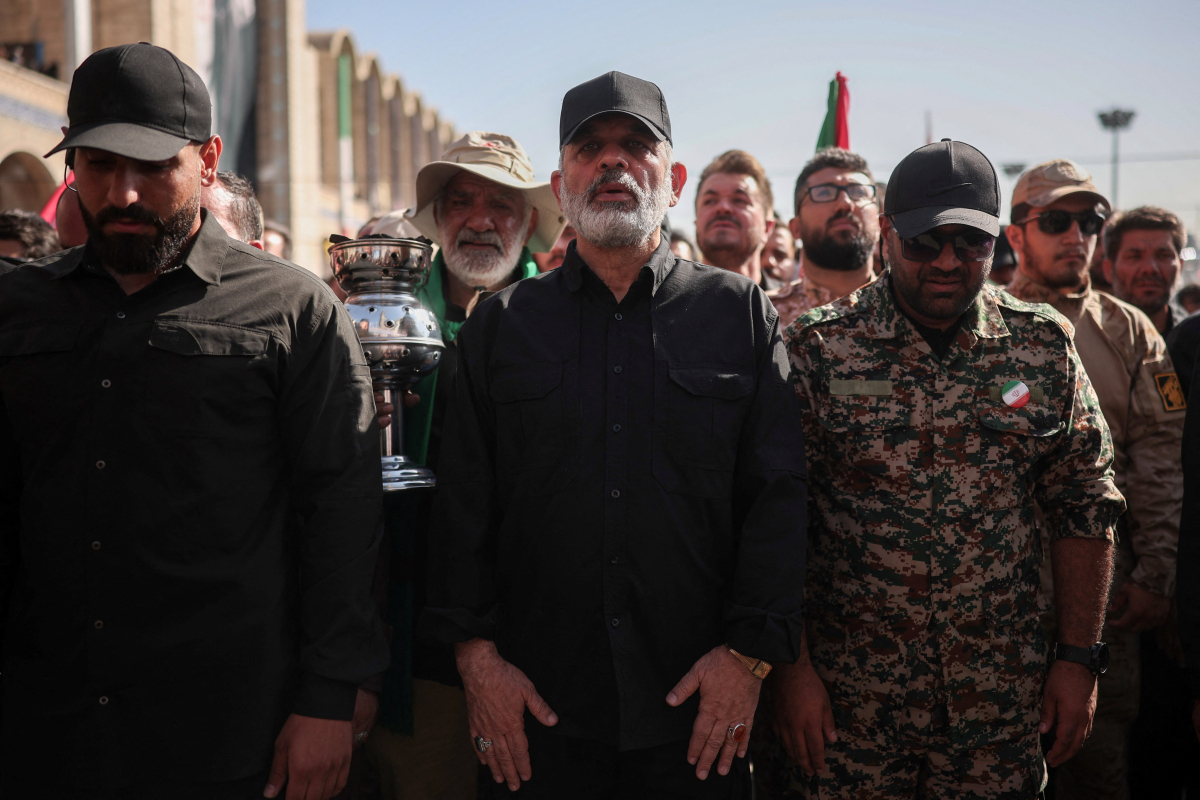
The Supreme National Security Council and the IRGC have become central to the post-war decision-making structure.
Media reported that the Revolutionary Guards had gained further influence during the conflict and remained central to strategic decision-making alongside senior political figures. At the same time, senior Iranian sources told the press that Mojtaba remained fully involved in those deliberations and retained final authority over major questions.
Mojtaba may remain the formal religious and political centre of the Islamic Republic while relying heavily on senior security officials to manage the state on a daily basis. Alternatively, if his ability to govern is significantly impaired, those institutions could acquire greater autonomy.
There is currently no independent public evidence sufficient to establish which of these scenarios best describes the situation.
What does his absence mean for Iran's future?
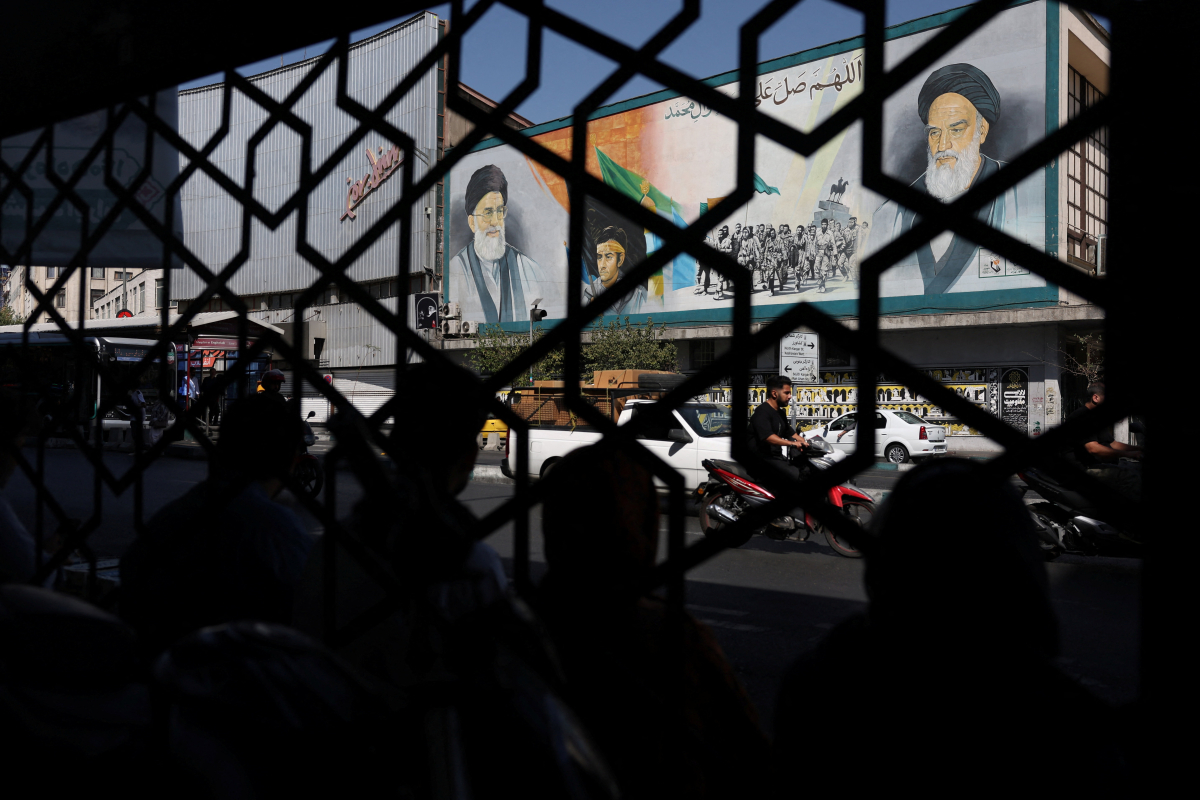
Some analysts describe the post-Ali Khamenei period as Iran's “Third Islamic Republic”, the first period being the rule of revolutionary founder Ruhollah Khomeini from 1979 to 1989, followed by the 37-year rule of Ali Khamenei.
Whether Mojtaba can accumulate enough independent authority to consolidate his position is one of the central questions of this new period.
His prolonged absence makes that question more difficult to answer.
Every additional month without a public appearance creates more room for competing accounts of his health, his intentions and his role in decision-making. It also makes it harder to determine which decisions are personally made by Mojtaba and which emerge from the political, military and security figures surrounding him.
As long as Iran's Supreme Leader remains unseen and unheard, questions of his credibility are likely to remain at the centre of uncertainty surrounding the country's post-war political order.
Read more:












What is your opinion on this topic?
Leave the first comment