Iran has urged European countries to take a more diplomatic approach to its conflict with the U.S. and Israel, saying Europe should uphold international law rather than support what Tehran describes as aggression.
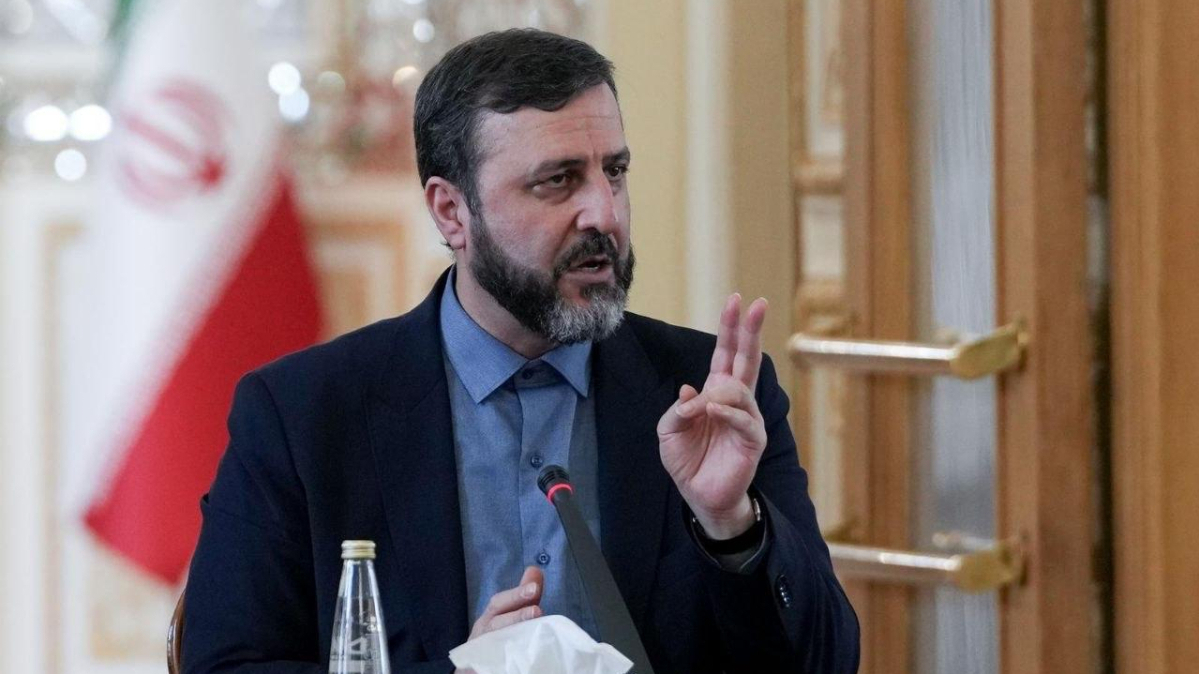
Deputy Foreign Minister Kazem Gharībābādī said Europe should take a leading role in diplomacy rather than align itself with the United States.
“Europe is expected to be a pioneer in diplomacy, not a follower of an aggressor," Ghārībābādī wrote in a post on X.
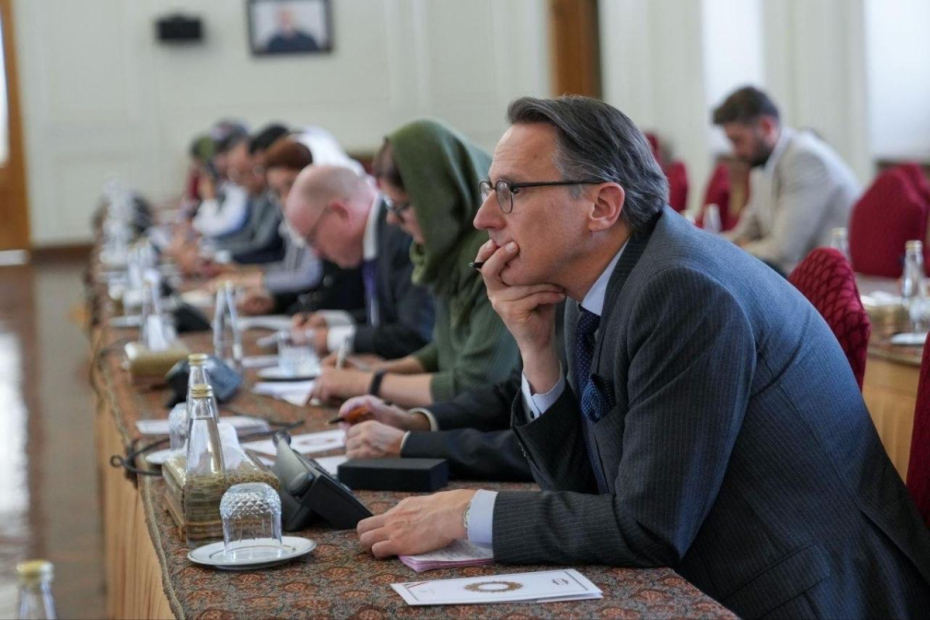
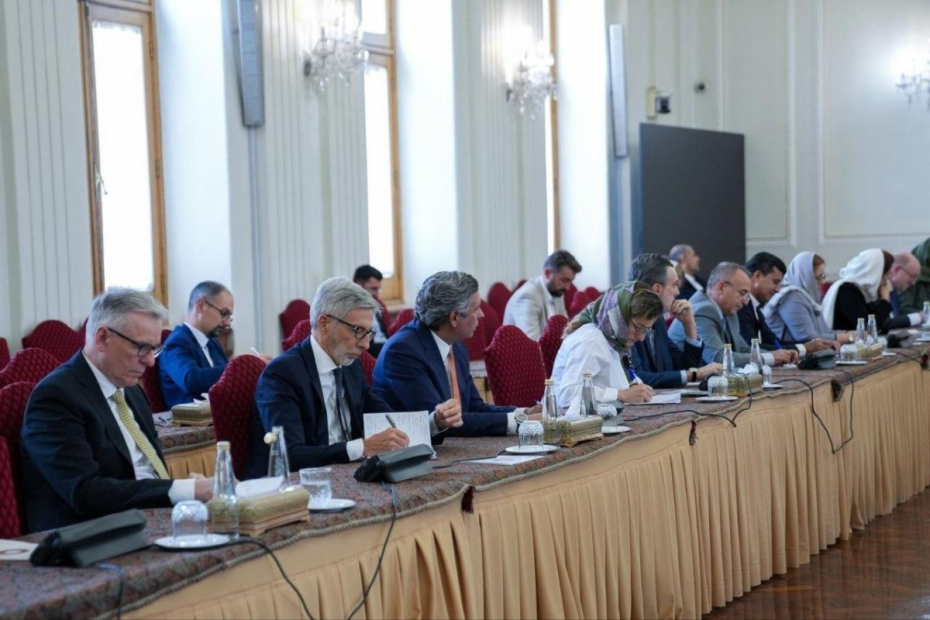
He made the statement after meeting 25 European ambassadors and chargés d'affaires in Tehran on Wednesday, during which Iran outlined its position on what it described as the "criminal actions" of the U.S.
“I said that Europe is expected to safeguard the UN Charter and international law and condemn aggression,” the senior Iranian diplomat wrote in his social media post.
Referring to Spain’s condemnation of the Israeli-U.S. war on Iran, he added: “Of course, a few Europeans, like Spain, have adopted principled positions.”
The nuclear issue and IRGC
Relations between Tehran and the European Union were already strained before the military conflict.
Britain, France and Germany, collectively known as the E3, had been pushing to hold Iran accountable over its nuclear programme, a move backed by the U.S. at the International Atomic Energy Agency's (IAEA) Board of Governors. The diplomatic effort ultimately led to the reimposition of UN nuclear-related sanctions on Iran.
The latest blow to already strained relations came after Britain designated Iran’s Islamic Revolutionary Guard Corps (IRGC) a "security threat" under its National Security State Threats Bill earlier this month.
Iran’s Foreign Ministry summoned the British envoy to Tehran, Hugo Shorter, to issue what it described as a strong protest. It also vowed a “strong reciprocal response”, accusing the UK of hosting terrorist elements on its soil.
Britain’s move followed a similar designation by the European Union in January, after which Tehran summoned EU envoys in the Iranian capital.
Warning over U.S. military facilities in Europe
In his post, Ghārībābādī also warned European countries against allowing the U.S. military to use facilities on their territory.
"European governments need to be aware that providing bases and territory to an aggressor will make them aggressors,” his said.















What is your opinion on this topic?
Leave the first comment