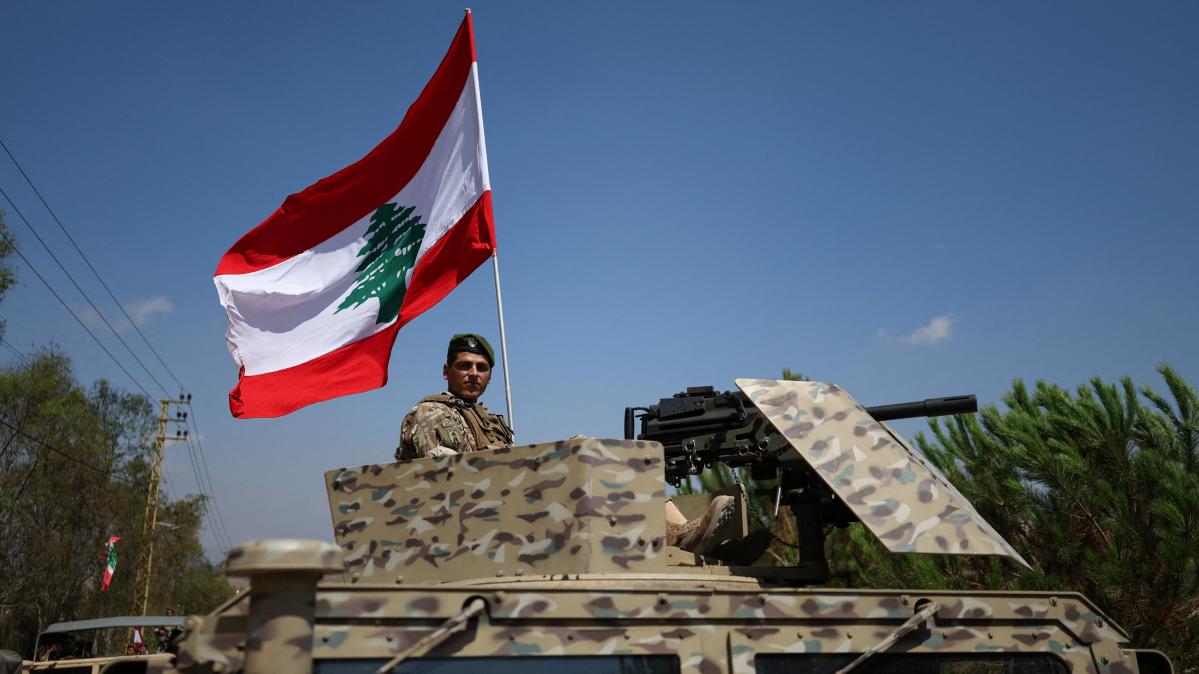
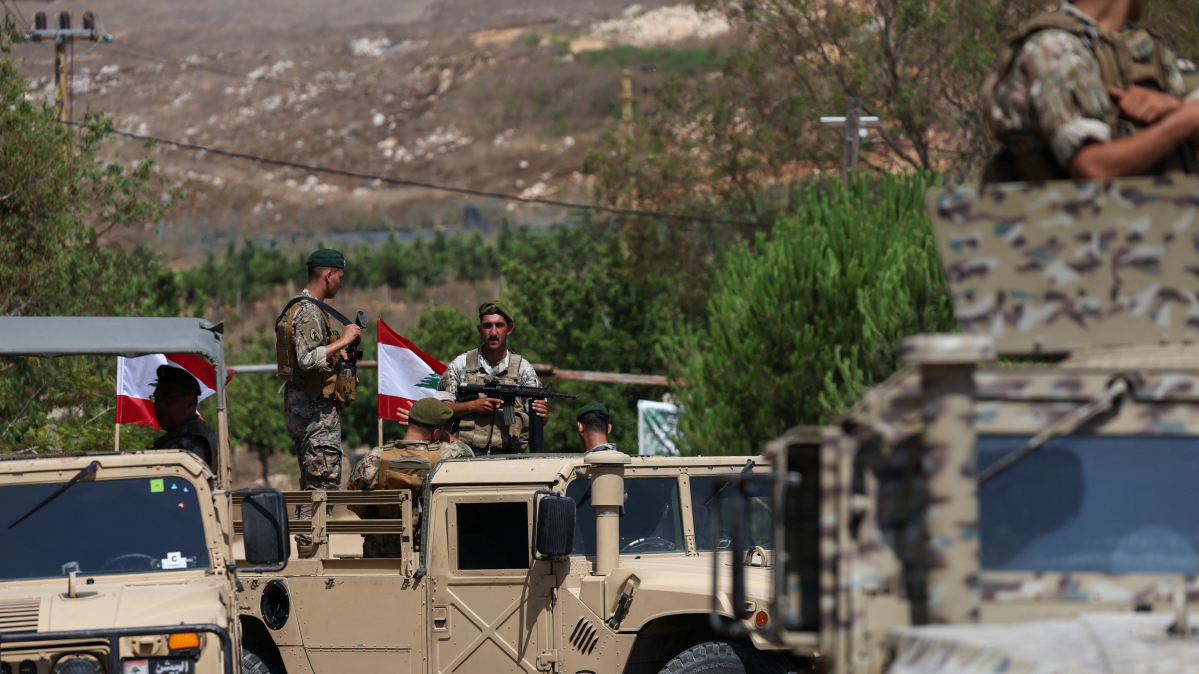
Lebanese army troops have begun deploying in the southern town of Zawtar al-Gharbiyeh after Israeli forces withdrew from the area, marking the first major step in a U.S.-brokered plan to reduce tensions along the Lebanon-Israel border.
A senior Lebanese security official said troops moved into the town on Tuesday (21 July) as part of an agreement under which the Lebanese army will take control of areas in the south and oversee the removal of weapons held by the Iran-backed Hezbollah group.
The Israeli military said on Monday that the plan, known as the pilot zone programme, had begun. It did not immediately comment on Tuesday's withdrawal.
The handover is being closely watched as Lebanon hopes the move will allow it to re-establish full control over a strip of territory around 10 kilometres deep that has remained under Israeli military presence.
Army warns residents as it clears damaged areas
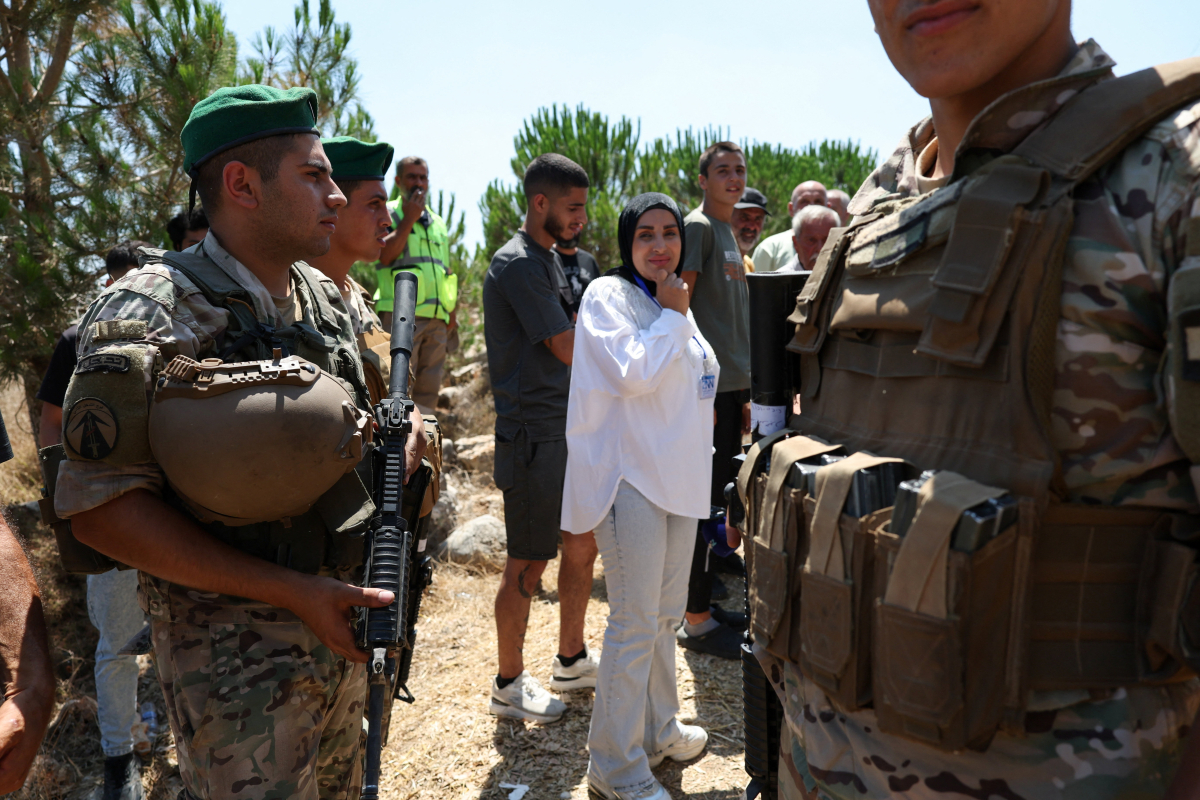
The Lebanese army said its units had entered Zawtar al-Gharbiyeh, in the Nabatieh region, but urged residents not to return until security conditions improve.
Military teams are searching the area for unexploded ordnance and other hazards left behind by months of fighting.
A senior Lebanese military official said engineering teams were working to clear the town, but warned that significant work remained before it could be considered safe.
Zawtar al-Gharbiyeh Mayor Abed Ezzeddin said residents were waiting for official confirmation that the area was secure.
"Army engineering teams have entered Zawtar al-Gharbiyeh, and we are waiting for further instructions," he said.
"We will inform residents once the area is confirmed to be safe and under the army's control."
Widespread destruction leaves residents uncertain about returning
The fighting has left large parts of southern Lebanon severely damaged, with villages, hospitals, power facilities and water infrastructure affected.
Ezzeddin described the destruction in Zawtar al-Gharbiyeh as extensive, saying more than half the town had been destroyed and many of the remaining homes had suffered serious damage.
He also raised concerns about whether people could safely return while Israeli forces remained nearby in Zawtar al-Sharqiyeh, a neighbouring village a short distance away.
"How can I be sure that I can enter Zawtar al-Gharbiyeh safely?" Ezzeddin said. "How can I think of settling there when the Israelis are right next to me in Zawtar al-Sharqiyeh?"
Deal tests Lebanon's authority over Hezbollah weapons
The agreement is designed to strengthen the role of the Lebanese armed forces in southern Lebanon, where Hezbollah has maintained a powerful military presence for decades.
Under the plan, Lebanese troops are expected to confiscate weapons from Hezbollah in selected areas while Israeli forces gradually withdraw.
An Israeli military official said the pilot programme was intended to test whether the Lebanese army could establish itself as the only authorised armed force in the area.
"The pilot serves as a test of the Lebanese Armed Forces’ sovereignty in the three pilot villages, as the sole official authority authorised to bear arms in the area," the official said.
Israeli officials have expressed doubts about whether Lebanon can fully disarm Hezbollah, but they view the agreement as a possible step towards longer-term stability.
A fragile pause after renewed fighting
The latest escalation between Israel and Hezbollah began in early March, shortly after the United States and Israel launched strikes against Iran. Hezbollah said its actions were in support of Tehran.
The conflict has displaced tens of thousands of people in southern Lebanon, many of whom have been unable to return home because of security concerns and the extent of the damage.
Lebanese President Joseph Aoun is scheduled to meet U.S. President Donald Trump in Washington on Tuesday, with the future of the agreement and wider regional security expected to be among the issues discussed.
Read more:















What is your opinion on this topic?
Leave the first comment