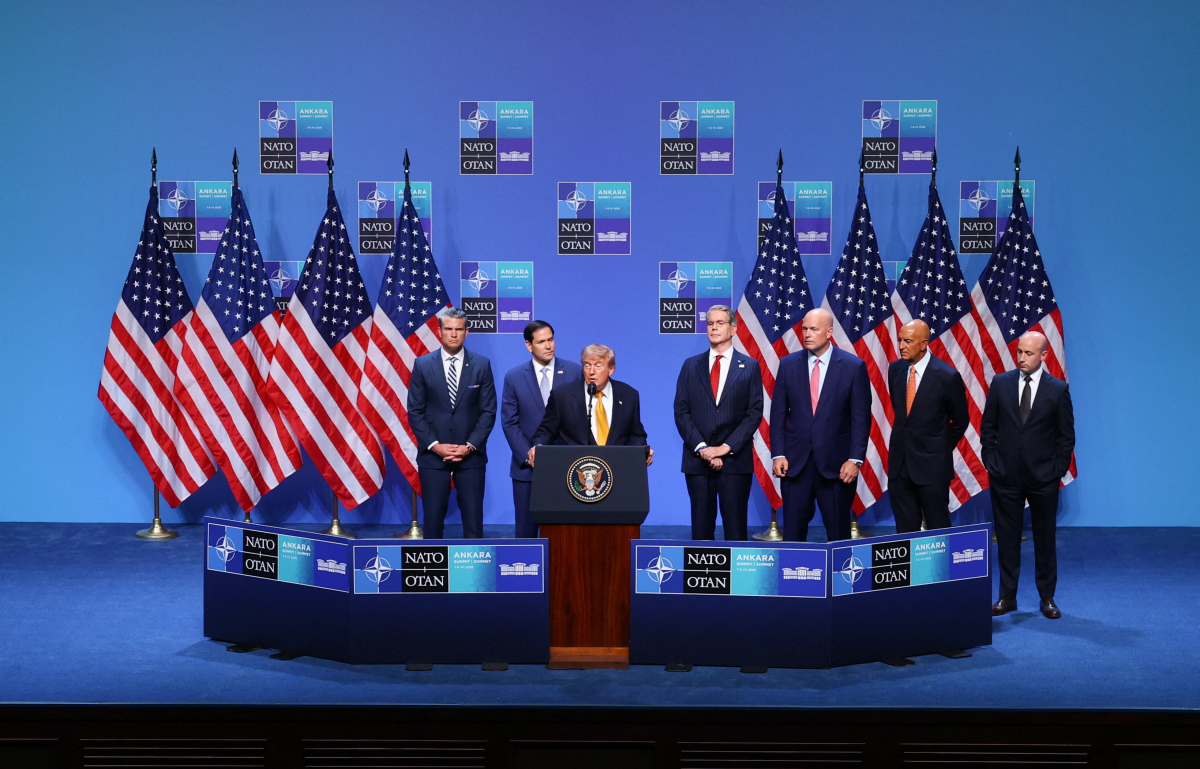
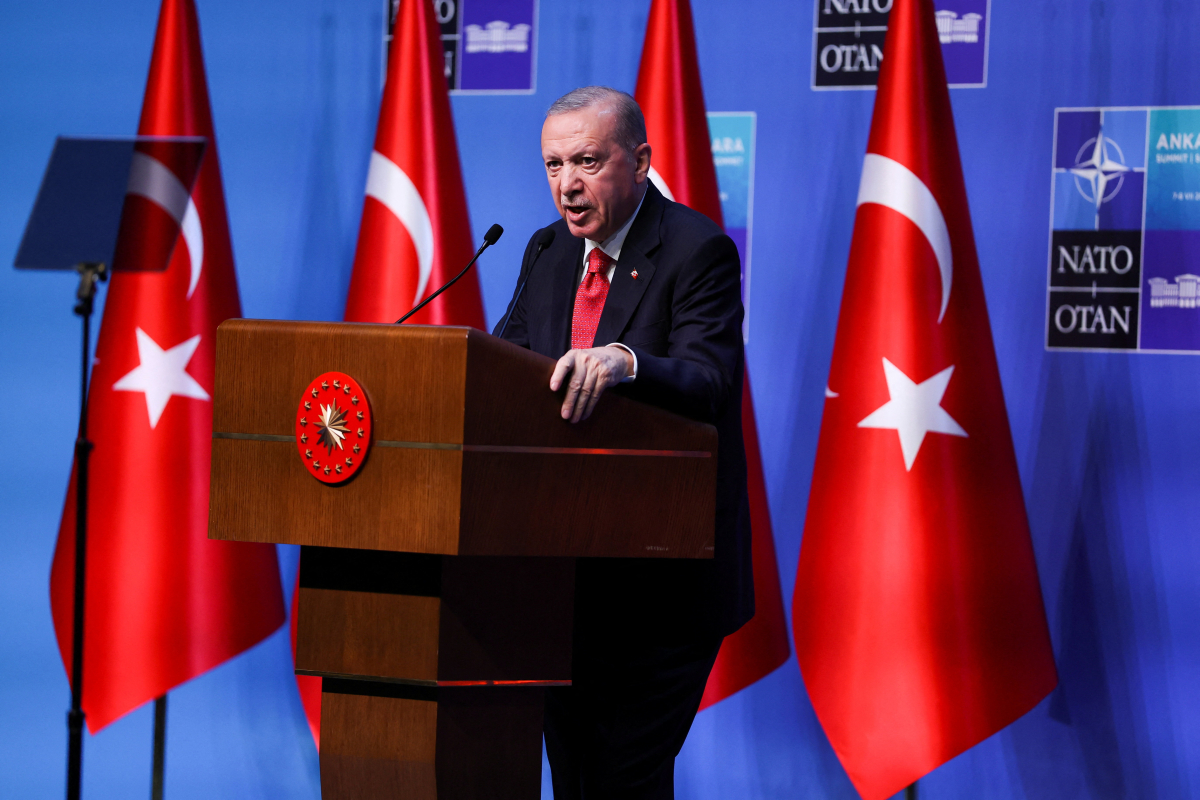
The NATO summit in Ankara highlighted Türkiye’s growing role within the alliance as Turkish President Recep Tayyip Erdoğan pushed for closer defence ties with Washington. Former diplomat Melih Demirtaş called it a step forward for U.S.-Türkiye ties but said challenges remain.
For Ankara, the summit represented an opportunity to strengthen its role within NATO and improve ties with Washington after years of tensions over defence issues, including Türkiye’s purchase of Russian S-400 systems.
Speaking to AnewZ, former diplomat Melih Demirtaş said the meeting boosted bilateral ties but stressed Türkiye’s focus on maintaining influence and stability in a changing security landscape.
“We always struggled to be an actor who really strives, who really motivates to maybe have some influence of this balanced policy and stability of Turkish foreign policy,” he said.
U.S.-Türkiye ties enter new phase
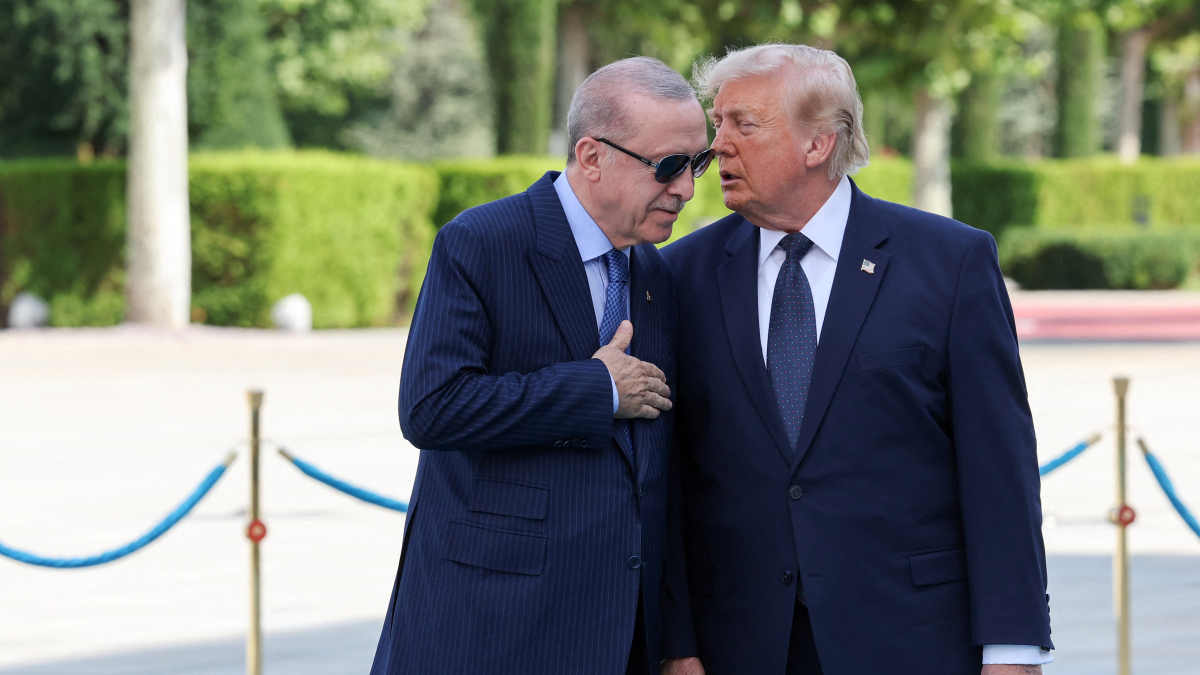
During the summit, U.S. President Donald Trump repeatedly praised Erdoğan and highlighted their relationship, saying the Ankara meeting “settled a lot of things” and was a “very, very good meeting.”
The U.S. leader also signalled that sanctions imposed on Türkiye could be lifted and suggested Ankara could potentially return to the F-35 programme.
Demirtaş said the summit marked a significant step in U.S.-Türkiye relations, but added that Ankara continues to balance closer ties with Washington and its pursuit of greater strategic independence.
“We also discovered that independence is an issue, which is also so, so important for many actors,” he said.
He added that Türkiye’s experience over recent years has pushed it to strengthen its own defence industry and military capabilities while maintaining cooperation with key allies.
NATO faces wider strategic challenges
Beyond bilateral ties, the summit came at a critical moment for NATO as allies discussed the future of Euro-Atlantic security, defence commitments and the alliance’s transformation.
Despite the positive atmosphere in Ankara, Demirtaş said the summit did not resolve all divisions within the alliance. He pointed to disagreements among NATO members and the need for the organisation to adapt to a changing global environment.
He argued that NATO must consider the interests of different members while responding to challenges involving Russia, China, Iran and other global actors.
Future of NATO and regional security
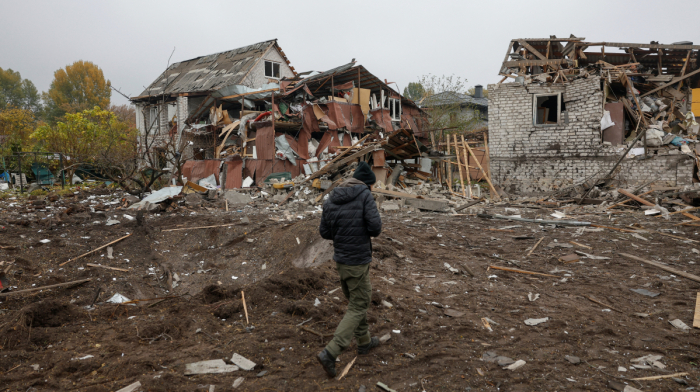
The summit also focused on Ukraine, defence spending and NATO’s future strategy. Demirtaş said the alliance must combine security measures with diplomatic efforts to prevent further escalation.
“We must be optimistic for diplomacy,” he said, adding that negotiations could continue through mediation efforts involving countries such as Türkiye, Pakistan and Qatar.











What is your opinion on this topic?
Leave the first comment