Loyalists of Palestinian President Mahmoud Abbas won most municipal races, election officials said on Sunday (26 April). Reuters reported that elections were held for the first time in nearly two decades in the central Gaza city of Deir al‑Balah, which is governed by Hamas.
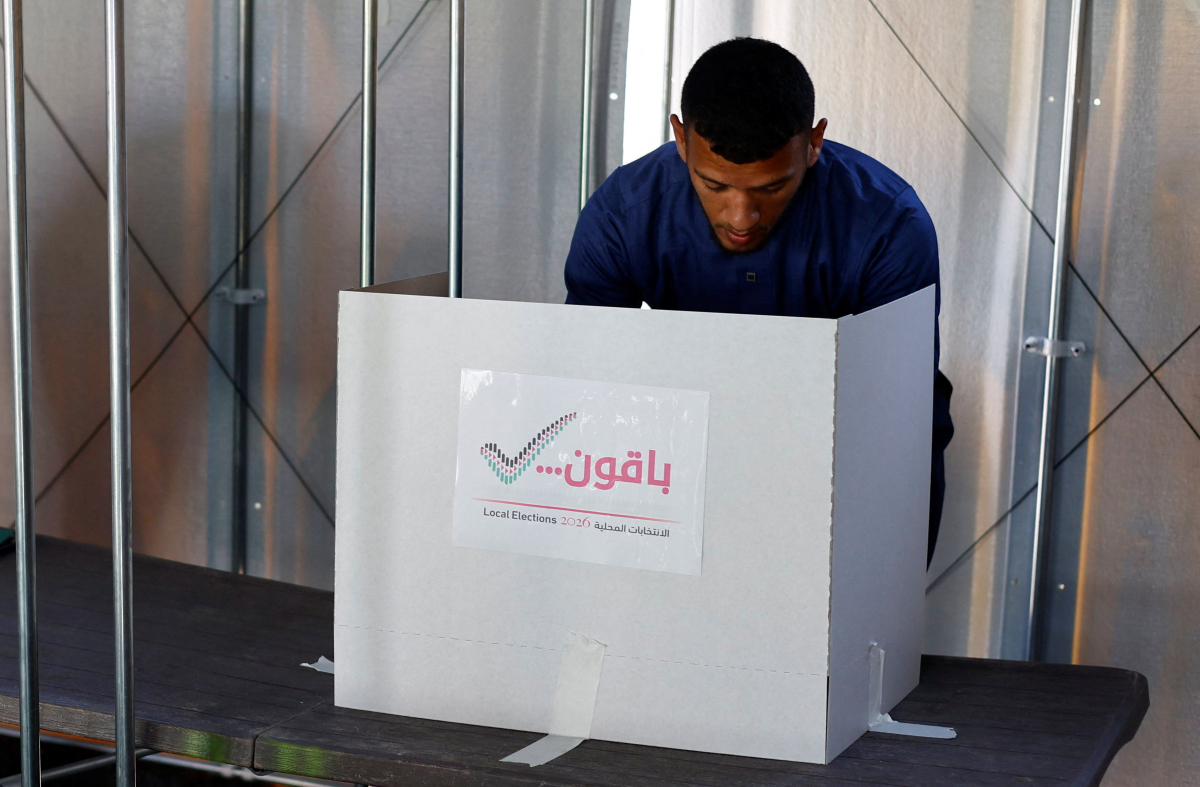
Saturday’s ballot marked the first elections of any kind in Gaza since 2006 and the first Palestinian polls since the war began, following Hamas’ cross‑border attack on southern Israel on 7 October, 2023. The Strip has since been devastated by fighting, leaving much of the population displaced and focused on basic survival.
Abbas’ West Bank‑based Palestinian Authority (PA) said the inclusion of the central Gaza city of Deir al‑Balah, which suffered less damage than other parts, was intended to underline that Gaza remains an inseparable part of a future Palestinian state.
Palestinian Prime Minister Mohammad Mustafa said the elections were held “at a highly sensitive moment amid complex challenges and exceptional circumstances”, but described them as “an important first step in a broader national process aimed at strengthening democratic life and ultimately achieving the unity of the homeland”.
Gaza vote seen as test of Hamas support
Hamas, which ousted the PA from Gaza in 2007, did not officially nominate candidates in Deir al‑Balah and boycotted the vote entirely in the West Bank, where a victory for Fatah, Abbas’ movement, was widely expected.
However, several candidates on a list known as "Deir al‑Balah Brings Us Together" were viewed by residents and analysts as aligned with Hamas, making the vote a potential barometer of support for the Islamist group after the war.
Preliminary results showed the list won just two of the 15 seats contested. A Fatah‑backed list, Nahdat Deir al‑Balah, secured six seats, while the remaining positions were split between two Gaza‑based groups, Future of Deir al‑Balah and Peace and Building, neither affiliated with Fatah nor Hamas.
In the West Bank, Abbas loyalists swept the elections, with Fatah candidates running unopposed in many contests.
Low turnout amid war disruption
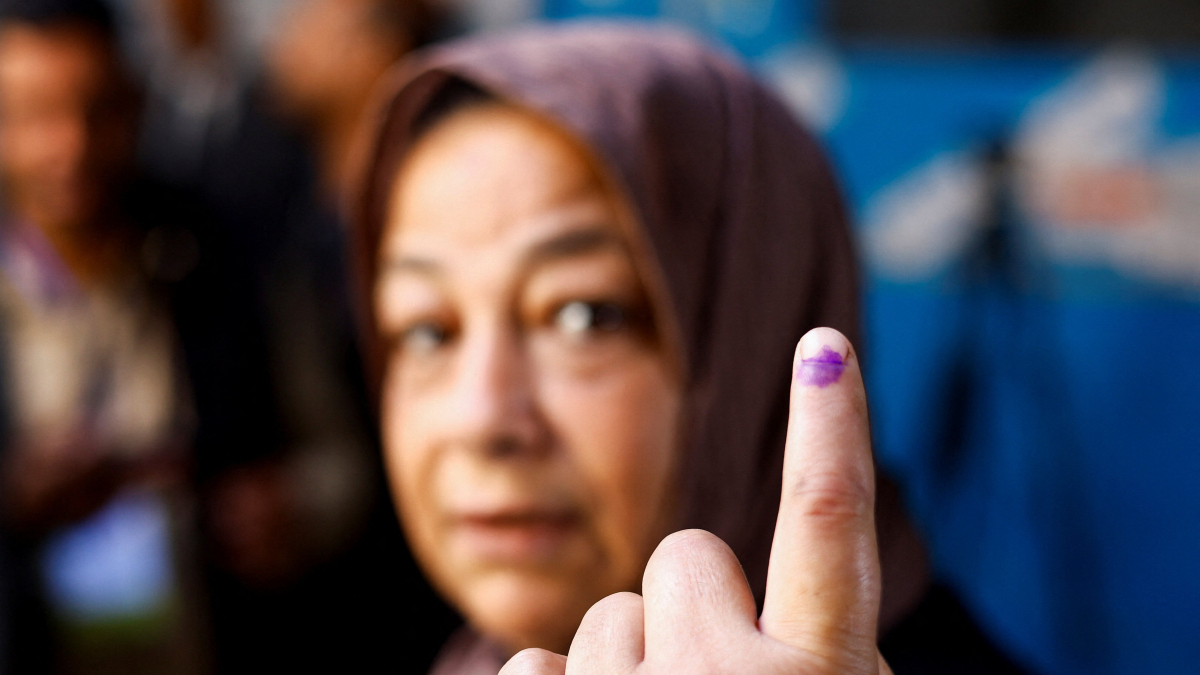
Voter turnout was low, reflecting ongoing instability and war‑related disruption. In Gaza, turnout reached 23%, while participation in the West Bank stood at 56%, according to Central Elections Commission chairman Rami al‑Hamdallah.
Al‑Hamdallah said some ballot boxes and voting equipment initially failed to reach Gaza due to Israeli security restrictions, but the commission said it managed to overcome those challenges.
Fatah spokesperson Abdul Fattah Dawla said turnout in the West Bank was comparable to the last municipal elections in 2022, praising voters for participating despite continued Israeli military operations.
“By electing figures linked to Fatah, voters appear to be seeking broader international support for municipal governance and a gradual political shift that could extend beyond the local level,” said Palestinian political analyst Reham Ouda.
Hamas Spokesperson Hazem Qassem downplayed the significance of the results, saying the municipal vote had no bearing on wider national political questions.
Israel has continued to conduct strikes in Gaza despite a ceasefire, as the territory grapples with widespread destruction, displacement and ongoing humanitarian needs.











What is your opinion on this topic?
Leave the first comment