Start your day informed with the AnewZ Morning Brief. Here are the top stories for the 6 June, covering the latest developments you need to know.
U.S. strikes Iranian radar sites as missiles target Gulf nations
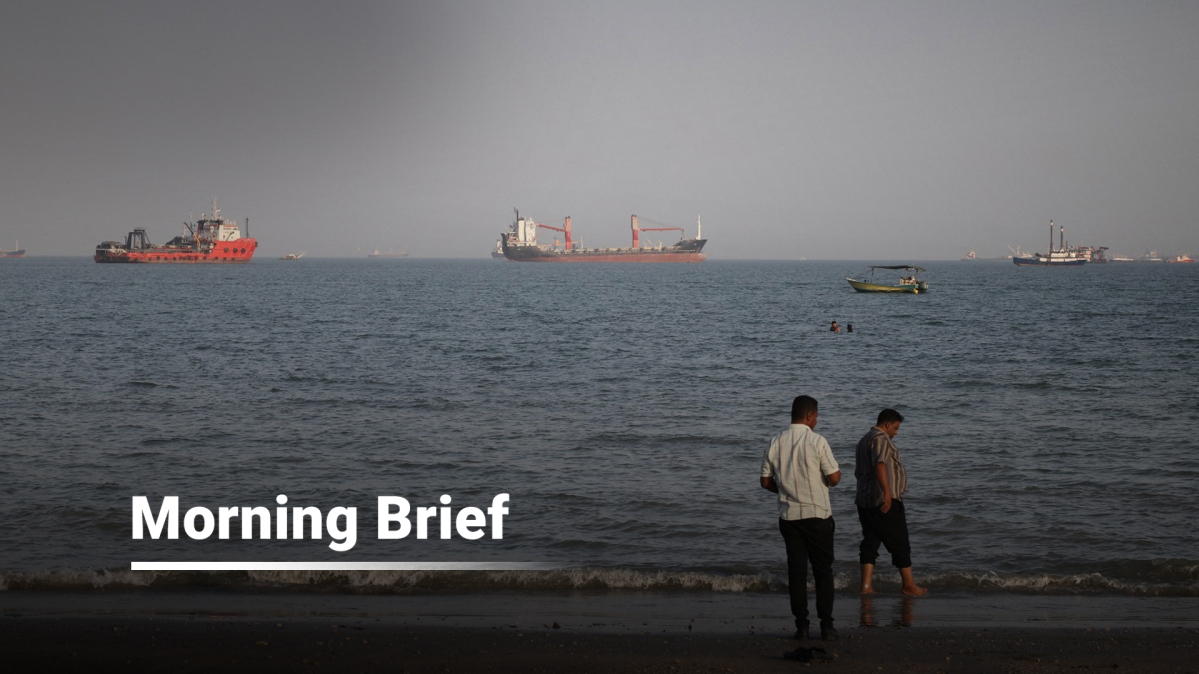
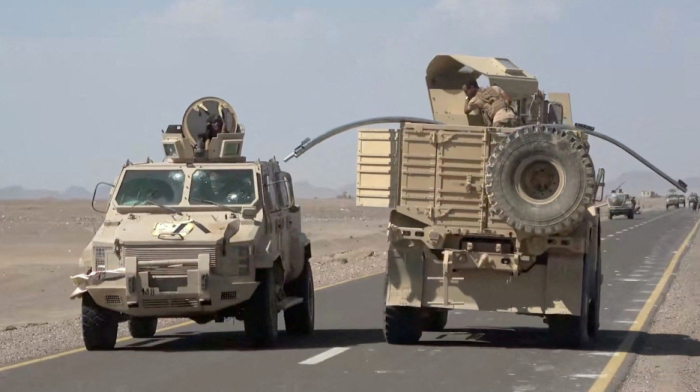
The U.S. military said it struck Iranian radar sites on the Strait of Hormuz following the interception of four Iranian drones, while Tehran said it launched missiles at U.S. bases in the Gulf in response. Kuwait's military said its air defences intercepted missile and drone attacks, while air raid sirens sounded across Bahrain and residents were advised to seek shelter.
Palestinian baby killed by Israeli gunfire in West Bank, ministry says
A seven-month-old Palestinian baby was killed and his parents wounded after Israeli soldiers opened fire on their vehicle near Hebron in the West Bank, according to the Palestinian health ministry. The Israeli military said troops fired after perceiving the vehicle was accelerating towards them, but an initial inquiry found those injured were uninvolved civilians and the incident is under review.
South Korea election chief quits as 6,000 protest ballot shortages
More than 6,000 people gathered outside a vote-counting centre in Seoul on Friday night, calling for this week's local elections to be rerun after ballot shortages left some voters unable to cast their ballots. The protests came hours after the head of South Korea's election commission announced his resignation, admitting responsibility for the failures, while officials said 50 polling stations ran out of ballot papers and an independent investigation would be launched.
U.S. adds $38m more to Ebola fight as Congo reports 452 cases
The United States will provide an additional $38 million for Ebola response efforts in the Democratic Republic of Congo, taking its total support to more than $200 million. The funding announcement came as the CDC warned that, without stronger public health measures, the outbreak, which has infected 452 people and killed 82, could grow to a scale similar to or larger than the 2014-2016 West Africa Ebola crisis.
New Zealand to buy U.S. helicopters in $1.5bn deal
The United States has approved the potential sale of five MH-60R Seahawk maritime helicopters and related equipment to New Zealand in a deal worth $1.5 billion. The purchase forms part of Wellington's plan to increase defence spending and strengthen military capabilities as it works towards lifting defence expenditure to 2% of GDP.













What is your opinion on this topic?
Leave the first comment