Lebanon is sliding deeper into a food security crisis as ongoing regional conflict disrupts supply routes and drives up the cost of basic goods, the United Nations World Food Programme (WFP) has warned.
Speaking on Friday, the agency said the situation inside the country is worsening amid the wider fallout from the
Speaking on Friday, the agency said conditions in the country are deteriorating amid wider fallout from the Iran conflict and continued fighting involving Israel and Hezbollah in Lebanon.
Although a fragile ceasefire has temporarily paused U.S. and Israeli airstrikes on Iran, it has done little to ease pressure on Lebanon, where violence and instability continue to ripple through daily life.
Crisis shifting beyond displacement
WFP’s Lebanon Country Director, Allison Oman, said the situation is no longer solely about displacement and is rapidly evolving into a broader hunger emergency.
“What we are seeing is moving beyond a displacement crisis and becoming a food security crisis,” she said, speaking from Beirut via video link.
One of the most immediate pressures is the rising cost of food. Since early March, vegetable prices have climbed by more than 20%, while bread has become around 17% more expensive.
Humanitarian officials say this combination of rising prices, disrupted incomes and growing demand is leaving many families increasingly unable to afford basic meals.
Regional disparities worsen impact
The strain is not being felt evenly across the country. While markets in cities such as Beirut are still operating, they are under growing pressure. In southern Lebanon, the situation is far more severe, with more than four-fifths of local markets reported to be non-functional.
Some traders in affected areas say they have less than a week’s worth of essential food stocks remaining.
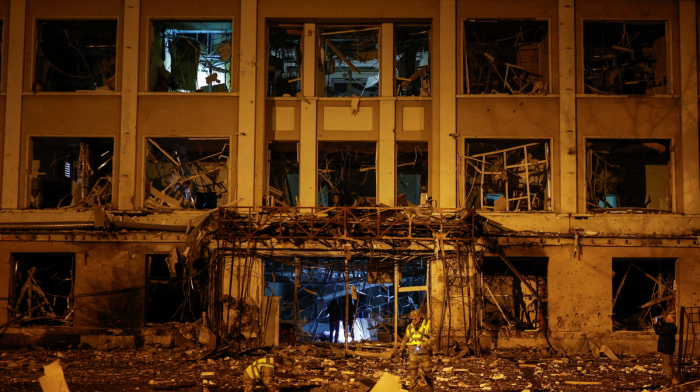
Aid delivery is also becoming more difficult. Roads and infrastructure in the south have been repeatedly damaged, slowing humanitarian convoys and limiting access to hard-hit communities.
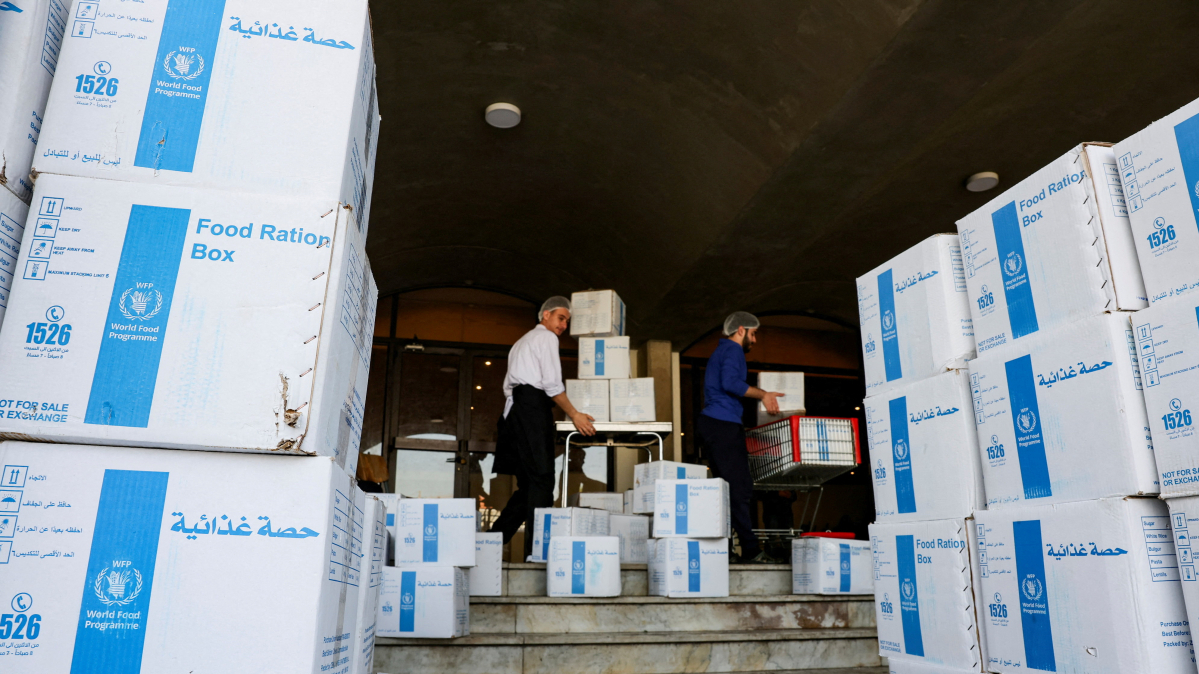
Despite these challenges, the WFP says it has managed to dispatch around ten aid convoys since early March, delivering assistance via roughly 70 trucks.
The agency reports it has already supported hundreds of thousands of people affected by the conflict, distributing the equivalent of around two million meals since the escalation began.
Rising need and displacement
Overall, the WFP estimates that about 900,000 people in Lebanon were already experiencing food insecurity before the latest surge in violence - a figure it expects to rise further.
The scale of displacement is also significant, with roughly one million people forced from their homes - around a fifth of the country’s population.
A two-layered emergency
Lebanon now faces what aid agencies describe as a two-layered emergency: collapsing local markets in conflict zones and mounting pressure on functioning urban supply chains. In the south in particular, the breakdown of trade is leaving communities dangerously close to running out of essentials.
Humanitarian officials warn that unless access improves and supply chains stabilise, more families will slip into crisis levels of hunger in the weeks ahead.




















What is your opinion on this topic?
Leave the first comment