Upcoming vote puts Armenia's European future to the test
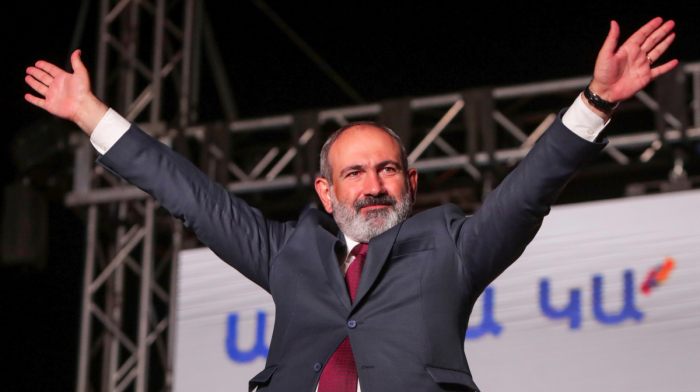
When Armenians vote on 7 June, they will be voting in an election shaped by months of political change and a rapidly deepening relationship with the E...
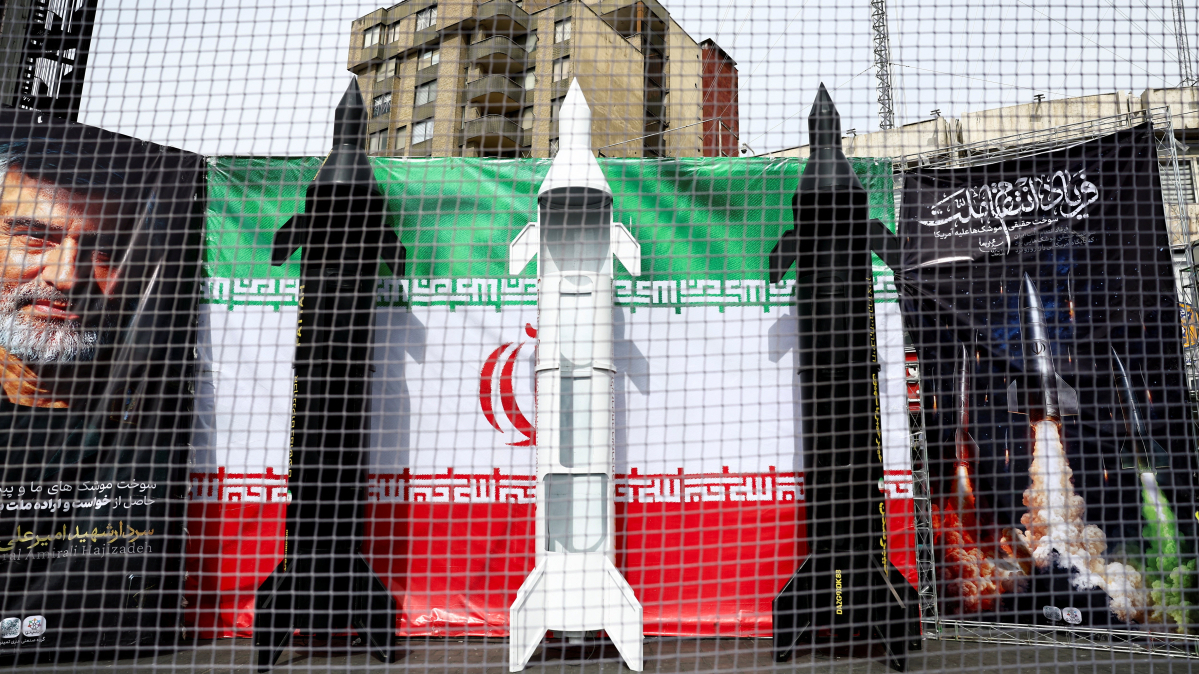
Four weeks into the U.S.-Israel war on Iran, military and civilian officials have strongly warned of immediate tit-for-tat attacks against U.S. targeting of its power plants in reaction to blocking of the strategic waterway of Strait of Horumz.
In addition to the Army’s Khatam al-Anbia Central Command and the Revolutionary Guards (IRGC), Parliament Speaker Mohammad-Bagher Ghalibaf, First Vice President Mohammad-Reza Aref, and Deputy Foreign Minister Kazem Gharibabadi have, in separate statements, promised swift and forceful retaliation against Israel, as well as against regional countries hosting U.S. bases.
In New York, Iran’s mission to the United Nations said in a letter to the Secretary-General and the President of the Security Council that U.S. President Donald Trump’s threat to deliberately bomb Iran’s civilian infrastructure constitutes a blatant violation of UN conventions and international humanitarian law.
“The Islamic Republic of Iran once again emphasises its inherent right to self-defence, in accordance with Article 51 of the United Nations Charter, and reserves the right to take all necessary and proportionate measures to fully protect its sovereignty, territorial integrity and vital national interests,” the letter read.
In Tehran, Foreign Minister Abbas Araghchi has called for an end to the ongoing war.
He set out Tehran’s conditions as a permanent cessation of hostilities, guarantees that the U.S. and Israel will not launch further attacks on Iran, and the payment of compensation by the aggressors, according to the state-run IRNA news agency.
Meanwhile, Iran’s top diplomat held telephone conversations with his Omani and Indian counterparts, as well as with the EU’s foreign policy chief.
According to official media reports quoting Foreign Ministry statements, the talks focused on the latest developments in the war, during which Araghchi reiterated Tehran’s right to self-defence.
Diplomatic mediation efforts have also been reported, though there are no clear signs of de-escalation as the U.S.–Israel war on Iran enters its 24th day.
U.S. rapper Kanye West, now known as Ye, performed to a crowd of 118,000 people in Istanbul on Saturday night, marking his first concert in Europe in more than a decade, despite being barred from performing in several countries over past antisemitic remarks.
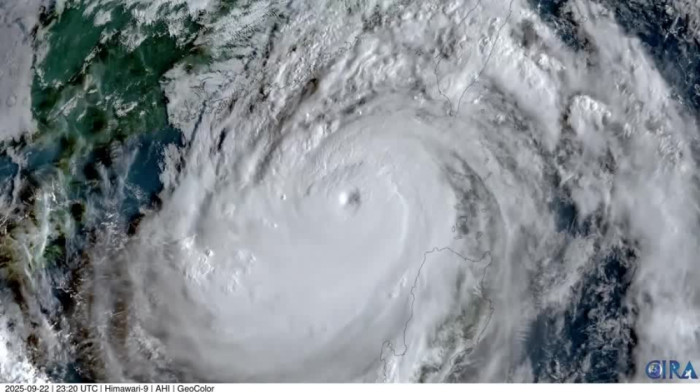
Okinawa lost transport links and suffered widespread power outages on Monday (1 June) as Severe Tropical Storm Jangmi brought destructive winds and heavy rain to Japan's south-western islands.
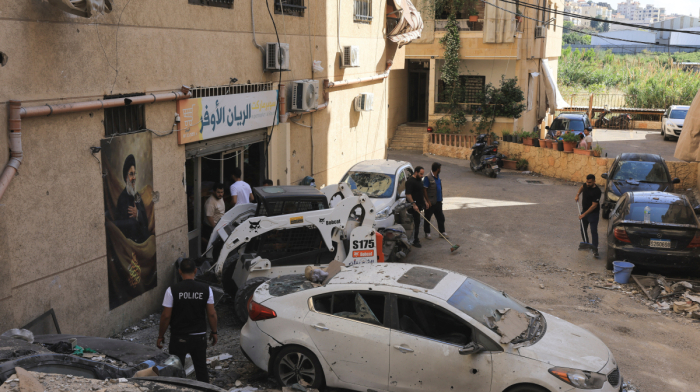
U.S. Secretary of State Marco Rubio has held talks with Lebanese President and Israeli Prime Minister on efforts to ease tensions between Israel and Lebanon. According to a U.S. official, Washington has proposed a plan aimed at achieving a gradual de-escalation of hostilities.
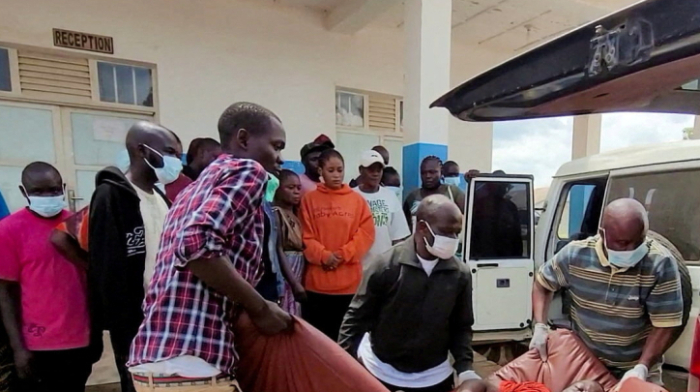
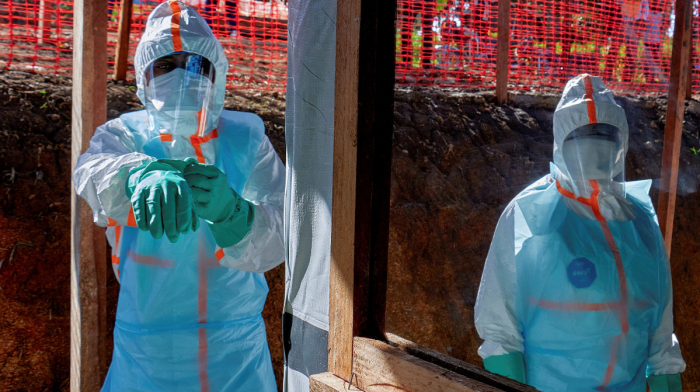
The World Health Organisation’s designation of the Bundibugyo Ebola virus outbreak as a Public Health Emergency of International Concern (PHEIC) is a stark reminder that Ebola remains a persistent global health threat rather than a disease of the past.
The Africa Centres for Disease Control and Prevention (Africa CDC) says the Ebola outbreak in the Democratic Republic of Congo and Uganda is continuing to spread, with 263 confirmed cases and 43 deaths reported as of 30 May.
After the dissolution of the Soviet Union in 1991, newly independent Armenia emerged with the promise of democracy. But in the years that followed conflicts and political assassinations sidetracked politics in the country, until a 2018 revolution restored momentum to the promise.
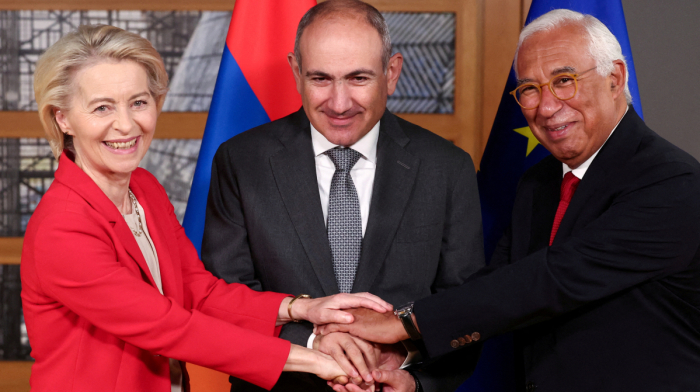
When Armenians vote on 7 June, they will be voting in an election shaped by months of political change and a rapidly deepening relationship with the European Union. The result may not only determine who governs Armenia but also the future direction of the country's geopolitical alignment.
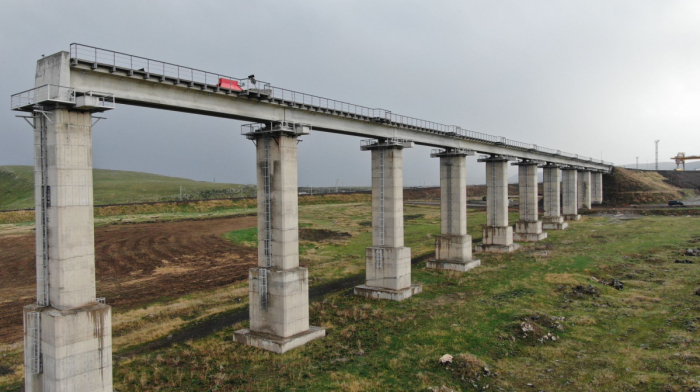
The Baku-Tbilisi-Kars (BTK) railway is resuming operations on 2 June after extensive modernisation works. Officials from Azerbaijan, Georgia and Türkiye are set to gather in Akhalkalaki for a launch event marking the reopening of one of the Middle Corridor's most important transport links.
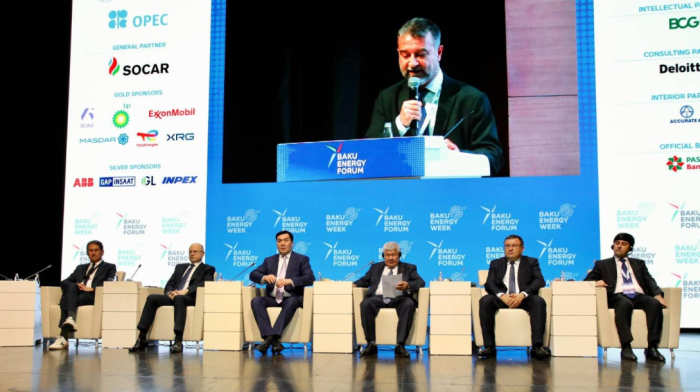
Kazakhstan is open to expanding its oil export routes through Azerbaijan and advancing joint energy infrastructure projects across the Caspian region, Energy Minister Yerlan Akkenzhenov told AnewZ in an exclusive interview in Baku.
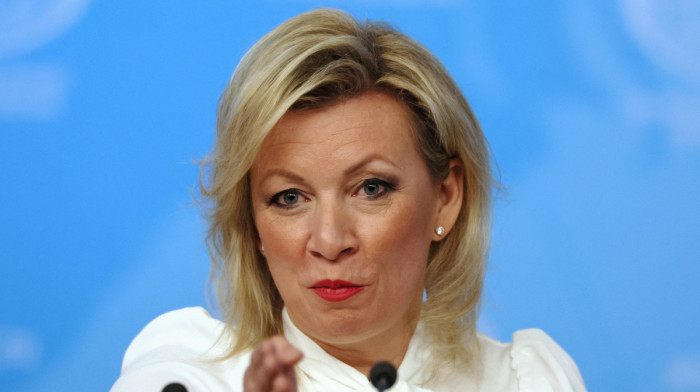
Russia's Foreign Ministry spokeswoman Maria Zakharova praised Georgia for resisting Western pressure (30 May), defending its national interests and pursuing a "multi-vector foreign policy" - language that closely mirrors the rhetoric of the ruling Georgian Dream party.
You can download the AnewZ application from Play Store and the App Store.
What is your opinion on this topic?
Leave the first comment