Afghanistan and Türkiye explore tourism partnership to boost heritage travel
Afghanistan and Türkiye are considering a tourism agreement to promote historic and religious sites, ease travel and train tourism workers, Afghan au...
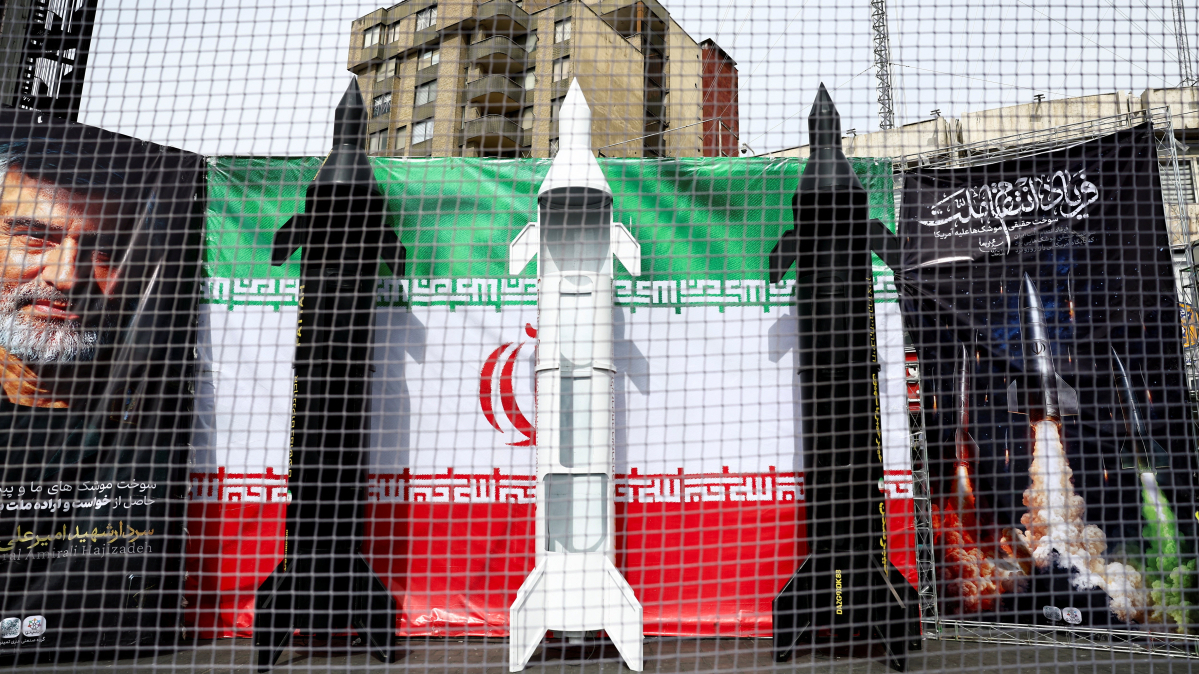
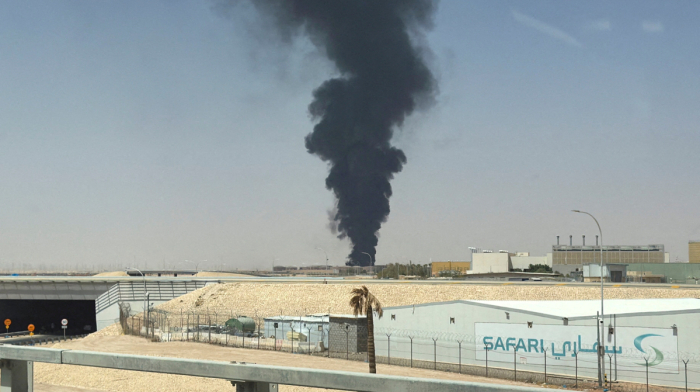
Four weeks into the U.S.-Israel war on Iran, military and civilian officials have strongly warned of immediate tit-for-tat attacks against U.S. targeting of its power plants in reaction to blocking of the strategic waterway of Strait of Horumz.
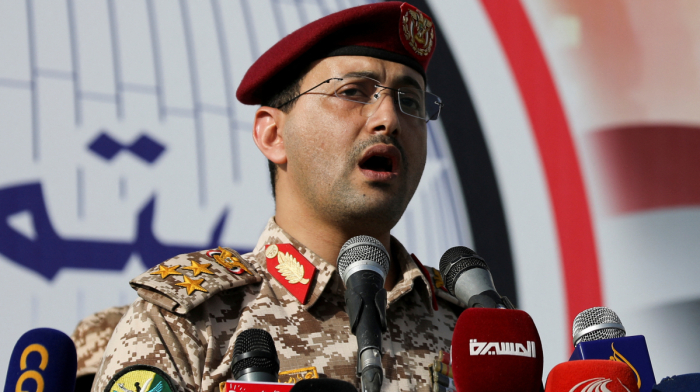
In addition to the Army’s Khatam al-Anbia Central Command and the Revolutionary Guards (IRGC), Parliament Speaker Mohammad-Bagher Ghalibaf, First Vice President Mohammad-Reza Aref, and Deputy Foreign Minister Kazem Gharibabadi have, in separate statements, promised swift and forceful retaliation against Israel, as well as against regional countries hosting U.S. bases.
In New York, Iran’s mission to the United Nations said in a letter to the Secretary-General and the President of the Security Council that U.S. President Donald Trump’s threat to deliberately bomb Iran’s civilian infrastructure constitutes a blatant violation of UN conventions and international humanitarian law.
“The Islamic Republic of Iran once again emphasises its inherent right to self-defence, in accordance with Article 51 of the United Nations Charter, and reserves the right to take all necessary and proportionate measures to fully protect its sovereignty, territorial integrity and vital national interests,” the letter read.
In Tehran, Foreign Minister Abbas Araghchi has called for an end to the ongoing war.
He set out Tehran’s conditions as a permanent cessation of hostilities, guarantees that the U.S. and Israel will not launch further attacks on Iran, and the payment of compensation by the aggressors, according to the state-run IRNA news agency.
Meanwhile, Iran’s top diplomat held telephone conversations with his Omani and Indian counterparts, as well as with the EU’s foreign policy chief.
According to official media reports quoting Foreign Ministry statements, the talks focused on the latest developments in the war, during which Araghchi reiterated Tehran’s right to self-defence.
Diplomatic mediation efforts have also been reported, though there are no clear signs of de-escalation as the U.S.–Israel war on Iran enters its 24th day.

The United States carried out a third consecutive night of airstrikes against Iran, targeting military capabilities around the Strait of Hormuz as Donald Trump announced the reinstatement of a blockade on Iranian shipping and proposed a 20% fee on cargo passing through the strategic waterway.
The United States and Iran have significantly escalated their conflict, exchanging heavy missile and drone strikes across the Gulf region. Iran claims it has once again closed the Strait of Hormuz, a vital global shipping route.
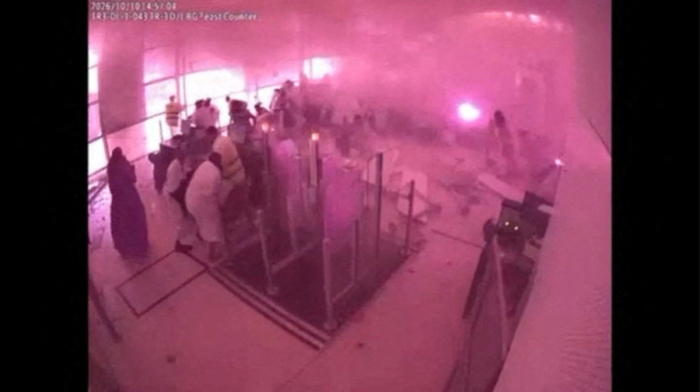
The death toll from the fire at a live music pub in Bangkok has climbed to 32 after two more victims died from their injuries, according to Thailand's Police Hospital.
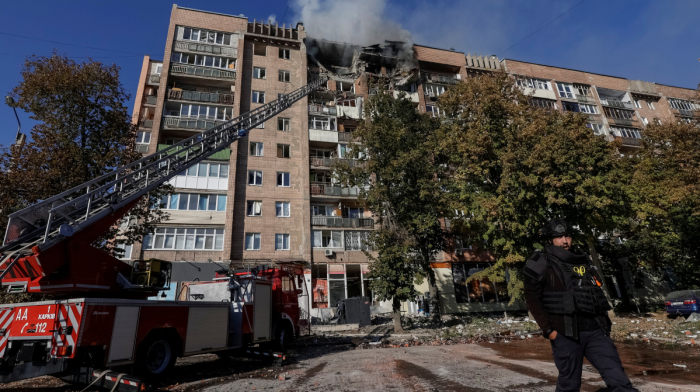
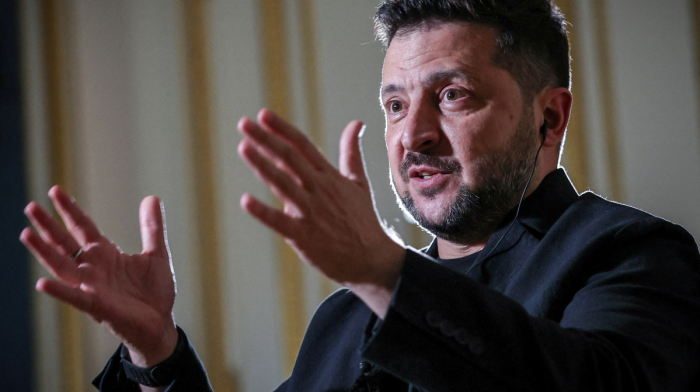
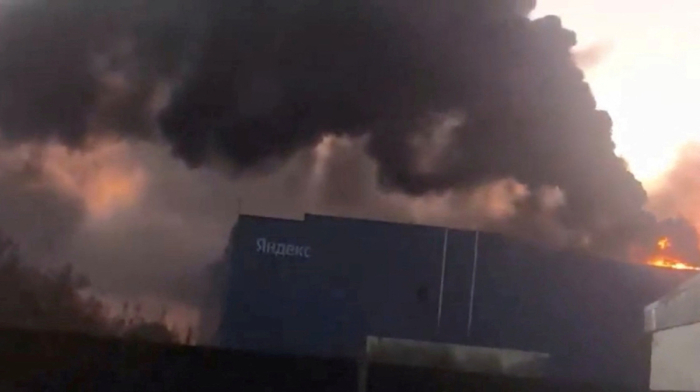
Ukraine and Russia exchanged fresh attacks on Tuesday, with Kyiv targeting shipping and energy infrastructure inside Russia while Moscow launched another large-scale missile and drone assault on Ukrainian cities.
IBM has warned that a surge in spending on artificial intelligence infrastructure is weighing on its core business, in one of the clearest signs yet of how the AI boom is reshaping the technology sector.
The Iranian Army's Ground Force promised a crushing response to the U.S. after an air raid on its barracks in the southern city of Bampur on Wednesday (15 July) killed seven servicemen and wounded 13 others.
Pakistan's benchmark stock index recorded its steepest one-day fall in months on Tuesday as renewed fighting between the U.S. and Iran unsettled global markets and heightened fears of disruptions to oil supplies through the Strait of Hormuz. The benchmark KSE-100 Index closed down 3.56%.
A British inquiry has heard fresh allegations that UK special forces killed three Afghan farmers and abused detainees during operations in Afghanistan. The claims were published this week as part of an investigation into alleged unlawful killings and a possible cover-up.
Kyrgyzstan and Tajikistan have begun installing the first border markers along their shared frontier, marking the start of the physical demarcation of a boundary that was disputed for decades before being formally settled under a landmark agreement signed earlier this year.
The condition of cultural heritage sites in Azerbaijan's Garabagh region remains a major point of debate after decades of conflict. Despite Azerbaijan’s calls for a UNESCO assessment and post-2020 negotiations, disagreements over access, scope and the mission’s framework have prevented a review.
You can download the AnewZ application from Play Store and the App Store.
What is your opinion on this topic?
Leave the first comment