Uzbekistan and the Persian Gulf: Why is the Middle East looking at Central Asia’s tech market?
The Persian Gulf is becoming an increasingly important partner for Uzbekistan’s technology sector. ICTWEE...
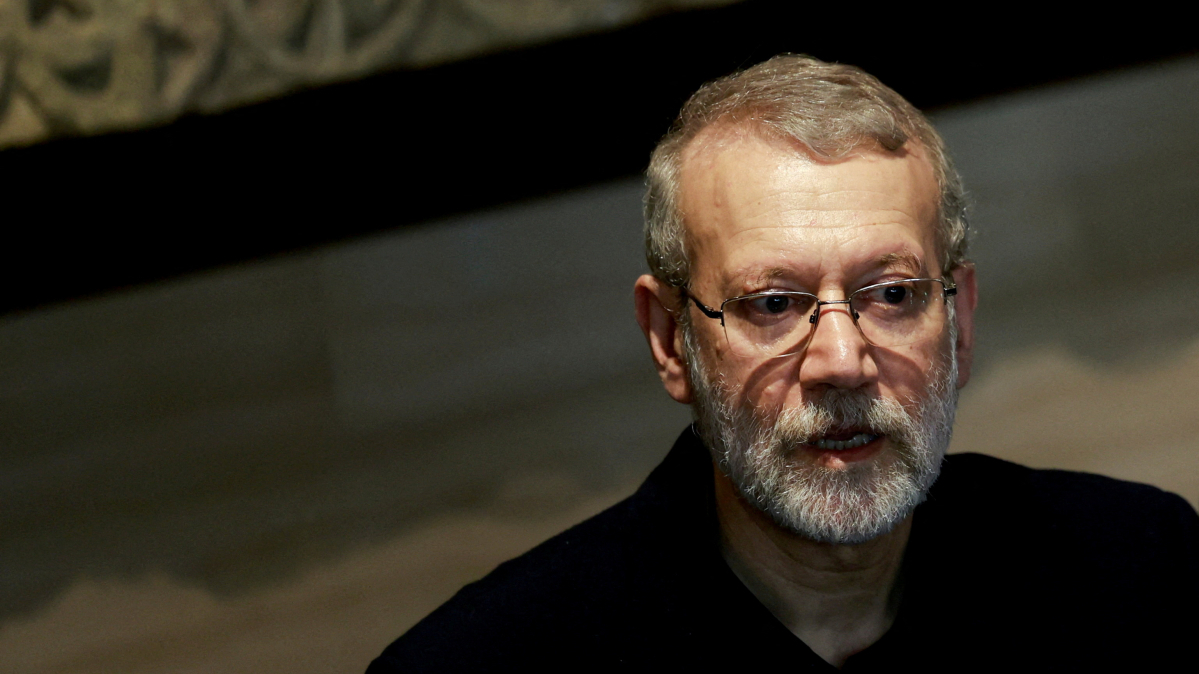
Israel’s assassination of Iran’s security chief, Ali Larijani, is unlikely to pose a significant challenge to Tehran, Iranian foreign policy analyst Mohammad Khatibi told AnewZ’s Context on Tuesday (17 March).
In remarks to Context host, Orkhan Amashov, made prior to Iran confirming Larijani’s death, Khatibi said Tehran was responding to reports of the security chief’s assassination with “calm”, adding that he would be replaced by a younger successor.
“They say that this killing will not change anything, like it didn't change anything after the assassination of the [Supreme] Leader.
“As we saw at the beginning of this crisis, the United States and Israel assassinated Iran's leader and after just two hours, Iran started the retaliation against United States and Israeli interests in the region,” he said.
Despite entreaties from opponents abroad to protest against the Iranian government, the reality on the ground appeared to suggest momentum was shifting in the opposite direction, Khatibi added.
“Right now people are across the country protesting and urging more retaliation [...] People are in [the] streets and they are trying to send a clear message to the opposition groups outside of the country that the people are the only ones who can decide the future of the country, not the United States and not Israel,” he said.
On Wednesday, a day after Larijani’s assassination, Israel’s Defence Minister, Israel Katz, said Tehran’s Intelligence Minister, Esmail Khatib, had been killed overnight. Iran has yet to comment.

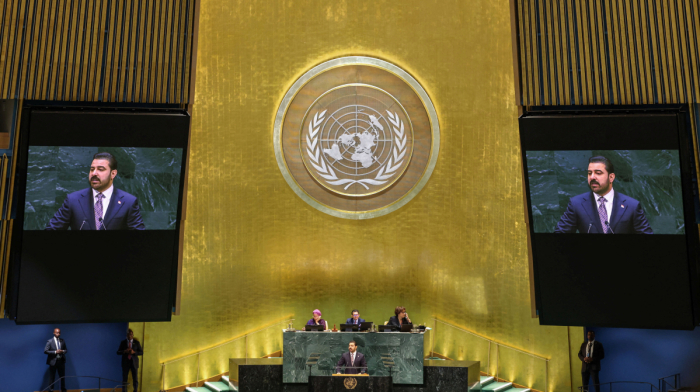
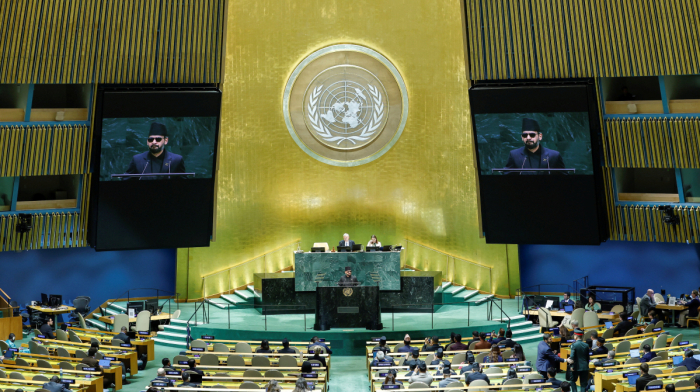
Leaders from around the world are gathering in New York for the latest session of the United Nations General Assembly, with conflicts in Ukraine and the Middle East, global security, trade, artificial intelligence, climate change and economic development dominating the agenda.
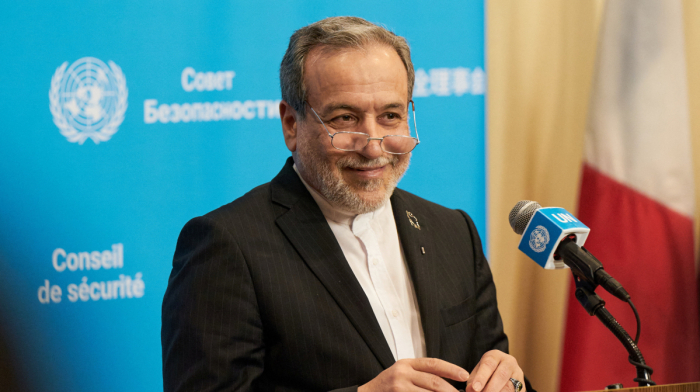
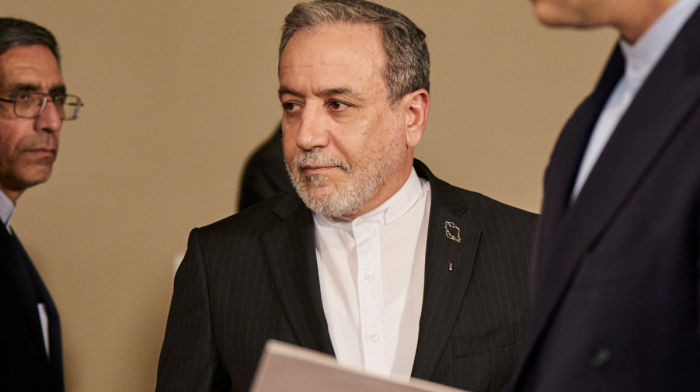
Iran has called for a diplomatic solution after U.S. President Donald Trump rejected its Hormuz proposal, while Foreign Minister Abbas Araghchi said Tehran was awaiting a definitive U.S. response through mediators.
World leaders return to the United Nations headquarters in New York on Friday for the fourth day of the high-level General Debate, with speeches and diplomatic meetings continuing throughout the day.
Iran on Saturday awaited a U.S. response to its proposal to reopen the Strait of Hormuz and end fighting in the Middle East war after the Wall Street Journal reported that President Donald Trump had rejected the deal.
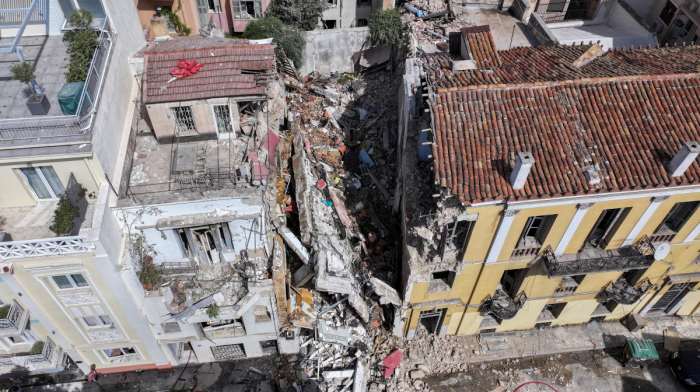
Six people have died after a two-storey residential building in a tourist area of central Athens collapsed, the Greek fire brigade said on Saturday (26 September), following an explosion that the mayor said was likely linked to gas infrastructure.
The Persian Gulf is becoming an increasingly important partner for Uzbekistan’s technology sector. ICTWEEK Uzbekistan 2026 shows that interest is not limited to startups: companies from Saudi Arabia, the UAE and Oman are looking at data centres, fintech, cloud services, AI and others.
For decades, Uzbekistan’s cotton industry was primarily associated with the production and harvesting of raw cotton.
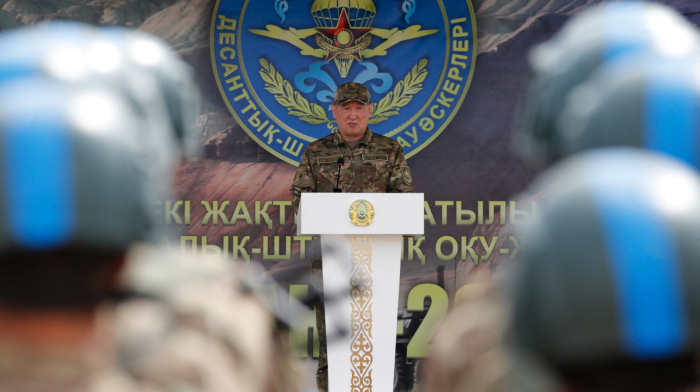
Kazakhstan’s President Kassym-Jomart Tokayev has dismissed Defence Minister Dauren Kosanov following the deaths of 14 servicemen during a naval exercise on the Caspian Sea.
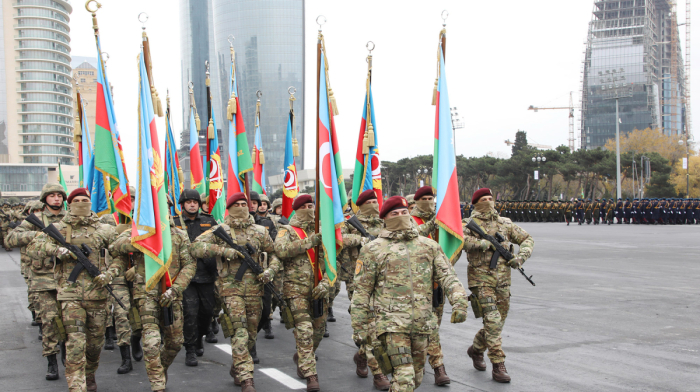
Six years have passed since fighting broke out on 27 September 2020, marking the beginning of the 44-day Patriotic War.
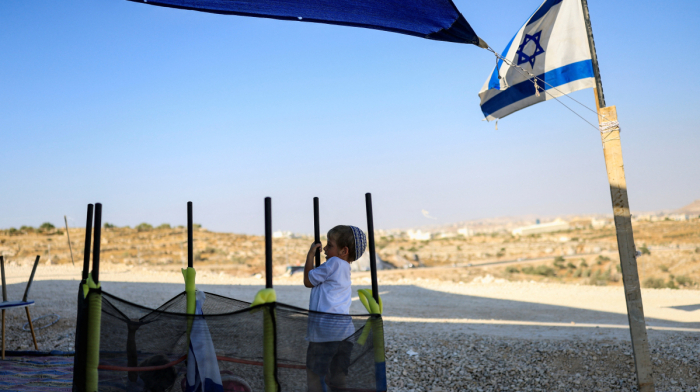
The United Nations human rights office has added 61 companies to its database of businesses involved in activities linked to Israeli settlements in the Palestinian territory, which the global body considers illegal, bringing the total number of firms listed to 214.
You can download the AnewZ application from Play Store and the App Store.
What is your opinion on this topic?
Leave the first comment