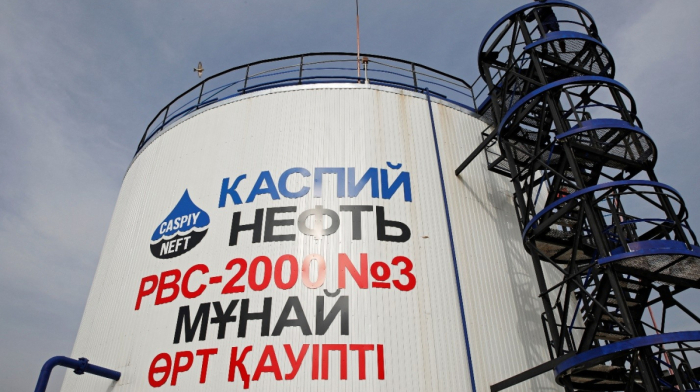
Caspian crude gains traction as Japan looks to diversify oil supplies
Japan’s growing interest in Caspian crude reflects a pragmatic response to uncertainty in global energy markets and its continued reliance on...
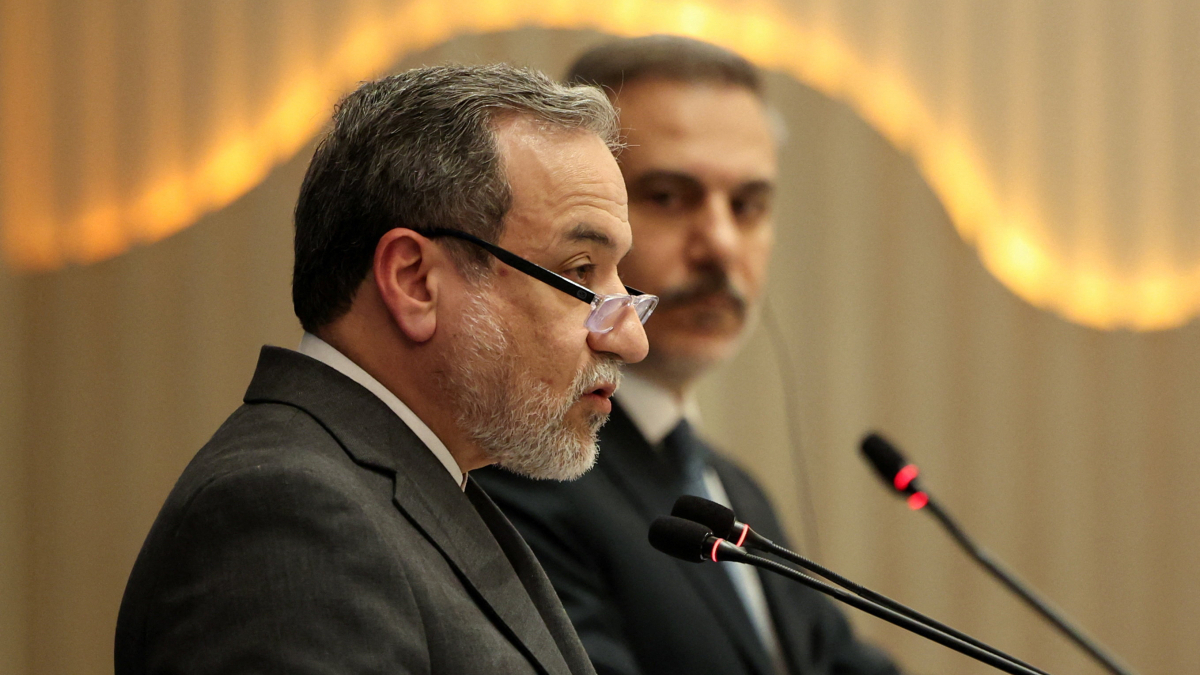
Ankara has rejected media reports claiming it plans to deploy military forces into Iranian territory in the event of a U.S. attack on the Islamic republic.
“Claims in certain media outlets alleging that Türkiye is planning to invade Iranian territory on security grounds in the event of a U.S. attack on Iran contain disinformation,” the Turkish Communications Directorate said in a statement this week.
On Tuesday, Bloomberg reported that Türkiye had updated its contingency plans for a possible U.S. military campaign against Iran. The report said the plans included the potential deployment of Turkish forces on Iranian territory to prevent a mass influx of refugees.
Türkiye, a NATO member, shares a roughly 535-kilometre border with north-western Iran.
Bloomberg cited unnamed sources “familiar with the matter” in support of its claims.
The following day, Reuters reported - citing an unnamed Turkish diplomatic source - that Ankara was considering potential actions in the event of renewed conflict between Iran and the United States.
“All scenarios are being considered,” the unnamed source was quoted as saying.
“Steps that can be taken to ensure the safety of our citizens are being worked on,” the source added.
The diplomatic source did not elaborate on what “scenarios” were under evaluation but stressed that any measures violating Iran’s sovereignty were “out of the question”.
In its statement, the Turkish Communications Directorate reaffirmed Ankara’s respect for the sovereignty of states in the region, while emphasising the need to safeguard the country’s borders.
“Türkiye, which consistently upholds respect for the territorial integrity and sovereignty of neighbouring countries, takes all necessary measures to ensure the security of its borders on a 24/7 basis, whether in times of crisis or otherwise,” the directorate said.
It also urged the public to “refrain from giving credence to unverified claims and instead rely on official statements issued by competent authorities.”
In recent weeks, Ankara has repeatedly expressed its opposition to foreign military intervention in Iran, calling for differences between Tehran and Washington to be resolved through diplomatic means.
Cuba and the United States have been at odds for more than six decades, with tensions rooted in the 1959 revolution that transformed the island’s political and economic system. Renewed focus on relations comes as Donald Trump’s rhetoric intensifies and conditions on the island worsen.
NASA is aiming to launch its Artemis 2 mission on Wednesday (1 April), sending astronauts on a 10-day journey around the Moon, officials confirmed. According to the Space Administration, the launch window is due to open at 23:24 GMT, with additional opportunities to 6 April if delays occur.
U.S. President Donald Trump has said that the U.S is in talks with the new Iranian regime. He said this in a post on his Truth Social account but warned that the U.S. will "Obliterate" Iran's electric and oil facilities if no deal is reached, especially regarding the Strait of Hormuz closure.
The four astronauts selected for NASA’s Artemis II mission have arrived in Florida, entering the final phase of preparations for the first crewed journey towards the Moon in more than five decades
Iranian Military Spokesman Lieutenant Colonel Ibrahim Zulfiqari has warned that American soldiers will become 'food for sharks' if U.S. President Donald Trump launches ground attacks against Iran. The threat comes after the U.S. military said it was deploying thousands of Marines to the region.
Japan’s growing interest in Caspian crude reflects a pragmatic response to uncertainty in global energy markets and its continued reliance on the Middle East for more than 90% of its oil imports.
Afghanistan’s Foreign Ministry said on Sunday that Acting Foreign Minister Mawlawi Amir Khan Muttaqi told Iran’s top diplomat in Kabul that trade between the two countries is increasing, while also praising Tehran’s stance on recent tensions involving Pakistan.
U.S. President Donald Trump has been weighing whether to deploy ground forces to seize Iran’s strategic oil hub of Kharg Island - an operation analysts say could be swift, but would expose U.S. troops to significant danger and potentially prolong, rather than shorten, the war.
Iran’s Foreign Minister Abbas Araghchi spoke by phone with his Pakistani counterpart Mohammad Ishaq Dar and was briefed on Islamabad’s efforts to halt the Israel–U.S. war, official sources said on Monday (30 March).
Afghanistan and Pakistan have traded heavy fire, both sides said, days after they announced a temporary pause in fighting, escalating tensions in the volatile region as Islamabad prepares to host talks between the U.S. and Iran.
You can download the AnewZ application from Play Store and the App Store.
What is your opinion on this topic?
Leave the first comment