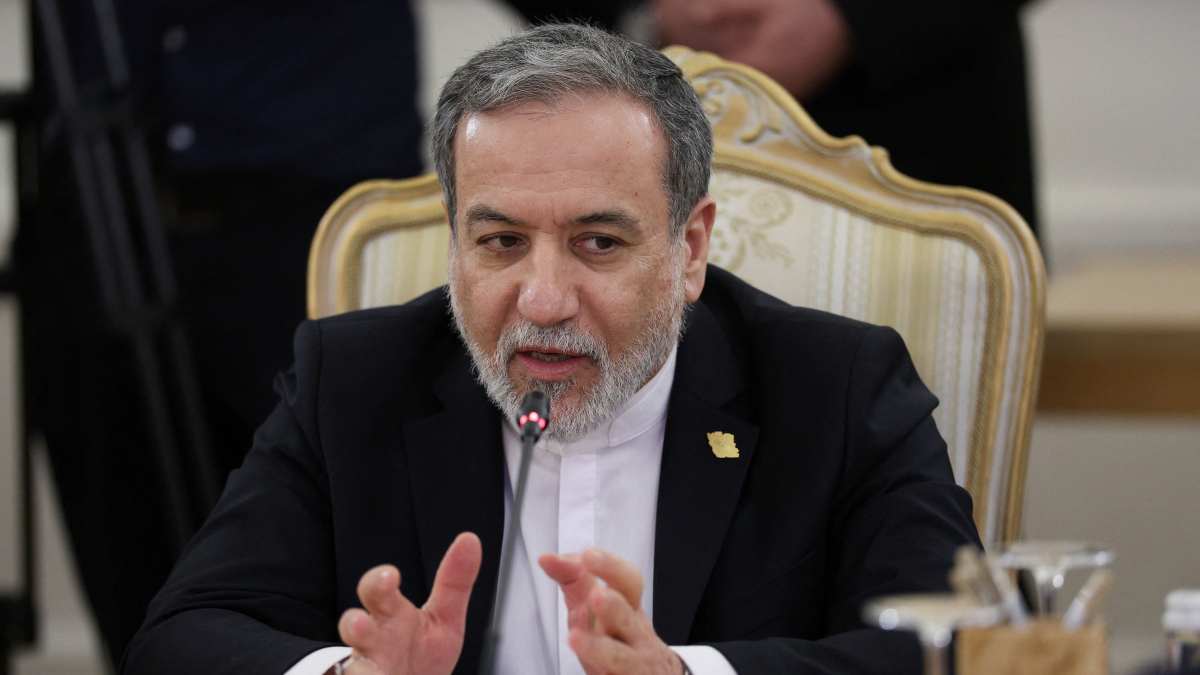
Iran’s Foreign Minister Abbas Araghchi on Saturday (21 February) dismissed U.S. claims that 32,000 civilians were killed during protests in Iran. He said Tehran has already released official figures and called for evidence to support any higher estimates.
"You know, the people of Iran are a lot different than the leaders of Iran, and it's very, very, very sad situation," U.S. President Donald Trump said Friday, adding that 32,000 people were killed in Iran over a "relatively short period of time."
In remarks through U.S. social media company X, Araghchi said Tehran had already fulfilled its “pledge of full transparency” by publishing an official list documenting 3,117 victims of what he described as “recent terrorist operations,” including around 200 security personnel.
He added that “if anyone disputes accuracy of our data, please share any evidence.”
The U.S.-based group HRANA, which monitors the human rights situation in Iran, has recorded 7,114 verified deaths and says it has another 11,700 under review.
Military threats amid renewed nuclear talks
The dispute over protest deaths comes as tensions escalate between Washington and Tehran.
Trump said Thursday that the United States would consider military action within 10 to 15 days if nuclear negotiations fail.
Two U.S. officials told Reuters that military planning had reached an advanced stage, with options ranging from targeted strikes to potential leadership change in Tehran.
Asked Friday whether he was considering a limited strike, Trump said: “I guess I can say I am considering.” He later added: “They better negotiate a fair deal.”
Araghchi warned that military action would complicate diplomatic efforts but said a deal remained possible “in a very short period of time.”
He confirmed that Iran is preparing a draft counterproposal that could be ready within days, following indirect talks in Geneva with U.S. envoy Steve Witkoff under Omani mediation.
He said discussions focused on ensuring Iran’s nuclear program remains peaceful, including enrichment activities, in exchange for sanctions relief and confidence-building measures. The White House reiterated that Iran must not develop nuclear weapons or enrich uranium.
Regional tensions rise
Trump also claimed his recent threats prevented Iranian authorities from carrying out mass executions, saying Tehran had planned to hang 837 people. That claim has not been independently verified.
Meanwhile, the U.S. has increased its military presence in the Persian Gulf, while Iran has conducted military drills, raising fears of broader regional escalation.
Stephane Dujarric, spokesperson for the United Nations, urged both sides to continue diplomacy to resolve their differences.
Typhoon Champi swept past Taiwan on Saturday, leaving one person dead and more than 500 injured as strong winds and torrential rain brought down trees, cut power and disrupted transport across the island.
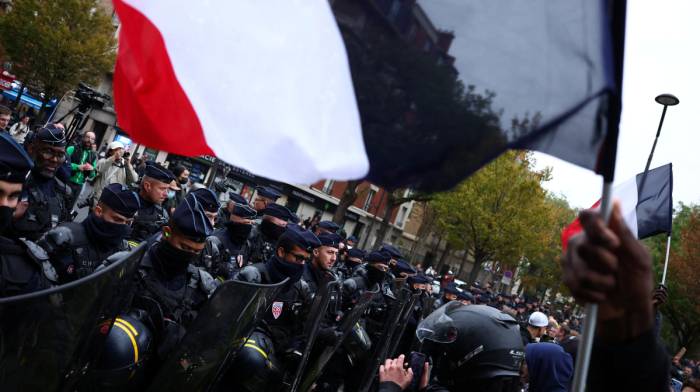
French President Emmanuel Macron on Friday described a deadly shooting in the towns of Trappes and La Verrière, west of Paris, as a racist attack and ‘a turning point’ for the country.
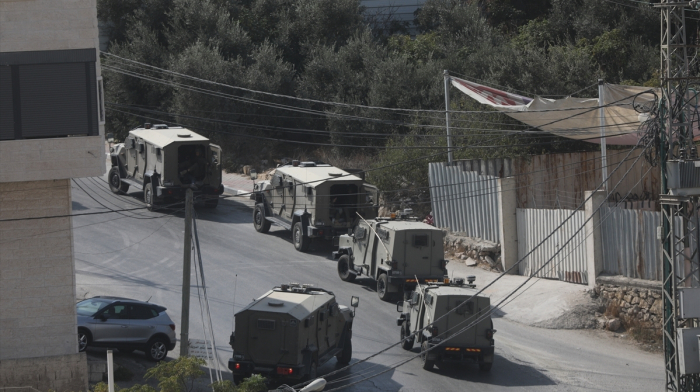
Israeli forces have maintained a tight closure on Hebron in the occupied West Bank for a second day, with Palestinian media reporting home raids, mass detentions and dozens of residents forced outside following a shooting incident the day before.
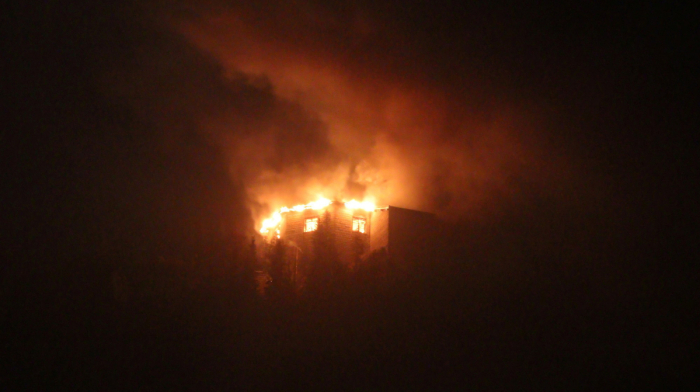
German police have detained a suspect after a major fire broke out at the historic Kehlsteinhaus, known as the “Eagle’s Nest”, a mountain retreat once used by senior Nazi officials, including Adolf Hitler.
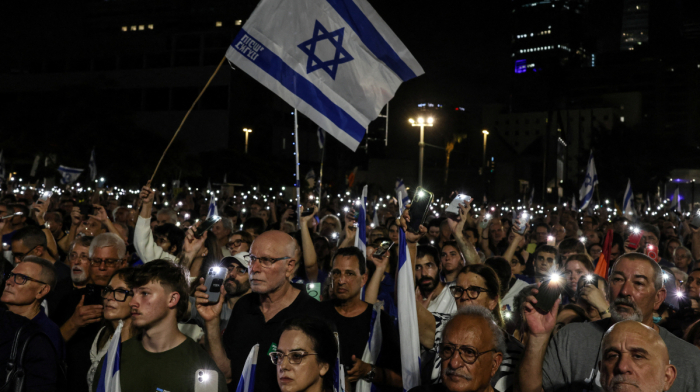
Thousands of Israelis rallied in Tel Aviv on Saturday demanding an independent commission of inquiry into the failures surrounding the 7 October 2023 Hamas-led attack, three days before a national election.
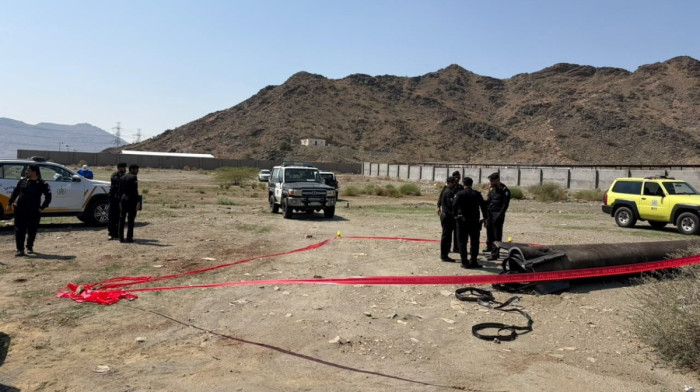
Saudi Arabia religious leaders have condemned attacks targeting holy sites and civilians after authorities reported intercepting two ballistic missiles launched towards the Mecca and Medina regions, while Yemen’s Houthi movement denied targeting the two cities.
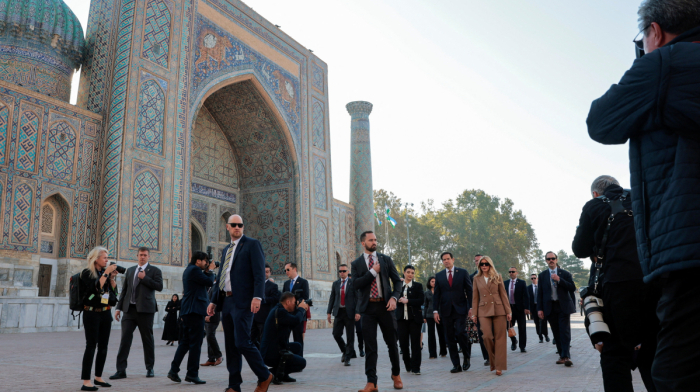
Uzbekistan summoned Iran’s ambassador following claims by several Iranian diplomatic missions that the historical and architectural heritage of Samarkand belongs to Persian or Iranian-Islamic civilisation, Tashkent's Foreign Ministry said.
Israeli forces have maintained a tight closure on Hebron in the occupied West Bank for a second day, with Palestinian media reporting home raids, mass detentions and dozens of residents forced outside following a shooting incident the day before.
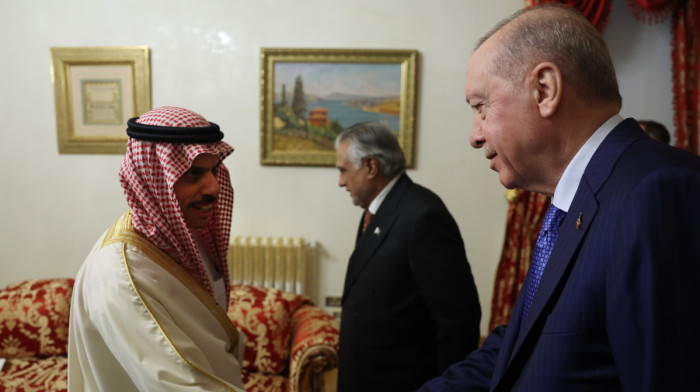
Foreign ministers meeting in Istanbul on Friday warned that renewed military strikes on Iran could deepen the regional conflict, urging diplomatic efforts to prevent further escalation.
Download the AnewZ app
You can download the AnewZ application from Play Store and the App Store.












What is your opinion on this topic?
Leave the first comment