live U.S. launches fresh Iran strikes as Tehran retaliates in Gulf
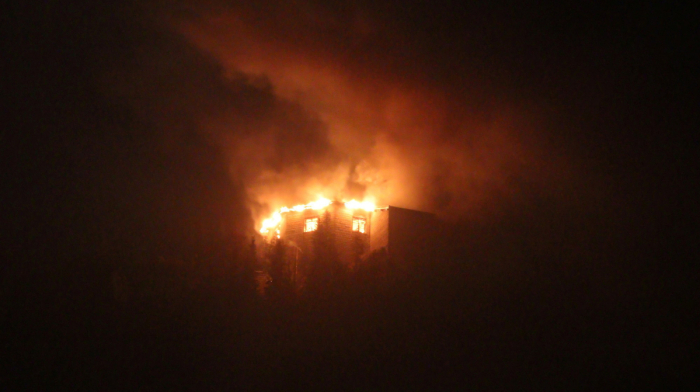
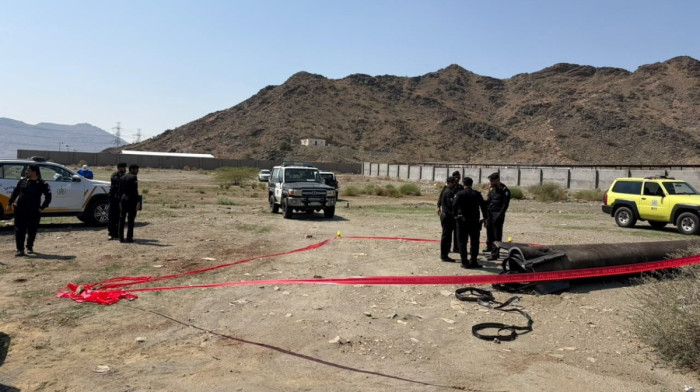
The U.S. military said on Wednesday it launched fresh strikes on Iran to keep the Strait of Hormuz open to shipping, triggering Iranian attacks on Kuw...
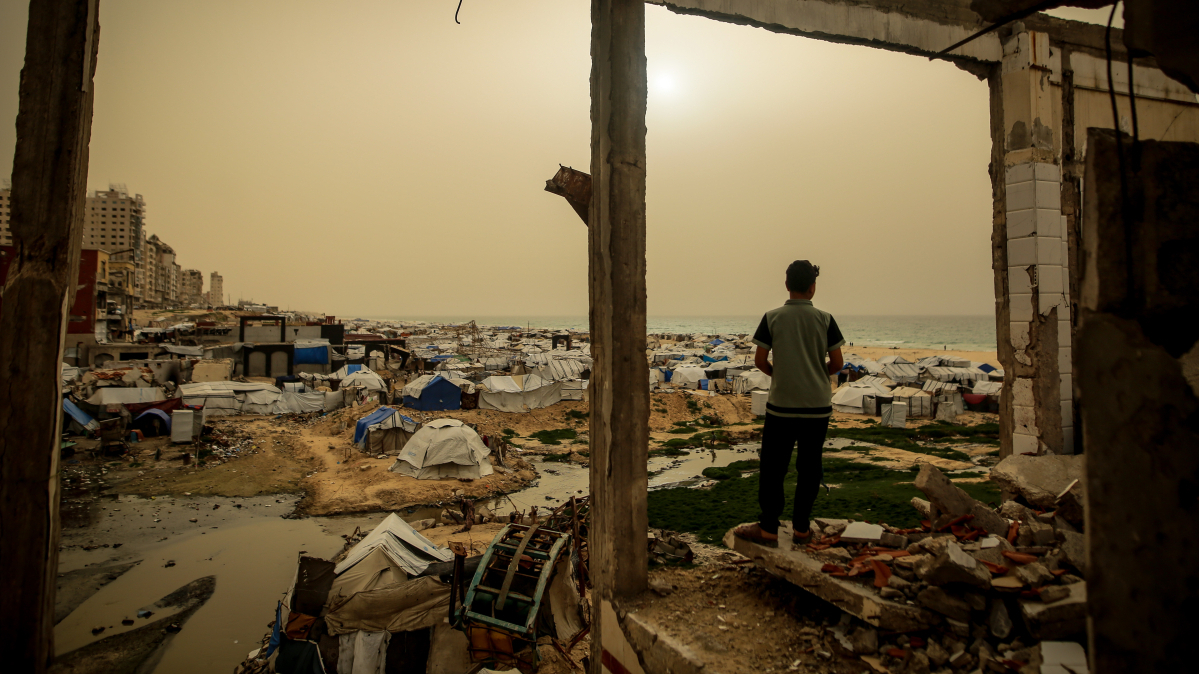
A powerful sandstorm sweeping across Gaza has further worsened living conditions for displaced Palestinians already struggling amid a deep humanitarian crisis.
The storm, carrying dust and strong winds from North Africa, has battered makeshift camps where thousands remain sheltering in tents following two years of Israeli military operations that left widespread destruction across the enclave.
Palestinian meteorologist Lays al-Allami said in a statement on social media platform X that a large-scale sandstorm formed along the northern coasts of Libya and Egypt and was moving eastward toward Palestinian territories.
In a separate post on 12 February, Allami warned that strong winds from the deserts of northeastern Africa would affect southern and central areas, with gusts intensifying at times.
The Palestinian Meteorological Service also said winds originating from Africa could be strong in places, causing heavy dust and moderate sea conditions.
Storm Intensifies Suffering in Camps
The dusty and turbulent weather has made daily life even more difficult for families living in fragile tents that offer little protection against sand and wind.
Displaced residents, particularly those suffering from chronic respiratory illnesses, fear the health impact of prolonged exposure to dust as strong gusts shake already damaged shelters.
According to the videos shared by activists on social media, powerful winds rattling tents and trees across parts of Gaza.
Despite a ceasefire in place since 10 October 2025, humanitarian conditions in the territory remain severe. Palestinians continue to face shortages of basic supplies and medical equipment, compounded by cold weather and recurring storms.
In December 2025, severe winter weather led to the collapse of buildings previously damaged during hostilities, resulting in casualties.
The latest sandstorm has added yet another layer of hardship for residents already coping with displacement and fragile living conditions.

The U.S. says it has launched strikes on Iran after alleged attacks on three commercial vessels in the Strait of Hormuz. Washington described the action as a response to threats against civilian shipping and a breach of the ceasefire.
U.S. President Donald Trump said on Wednesday that the memorandum of understanding signed with Iran to end the conflict was "over", adding he did not want to engage with Tehran, calling the Iranian leadership "sick people".
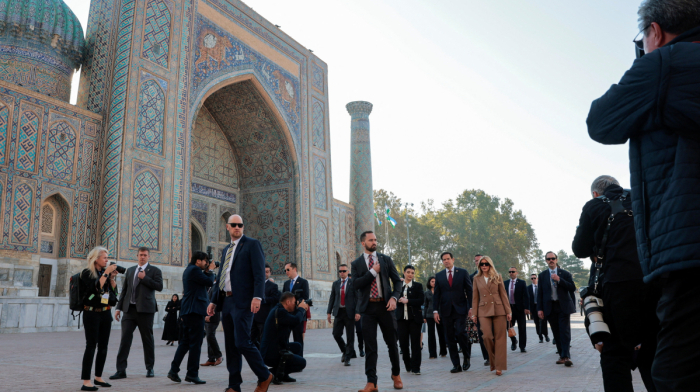
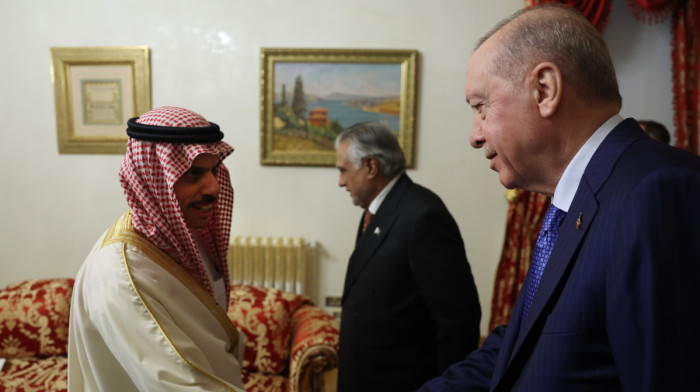
NATO leaders are unveiling multi-billion-dollar arms deals in Ankara as President Donald Trump joins the summit, highlighting Europe's increased defence spending amid tensions over Russia and Iran, and following years of U.S. criticism of the alliance.
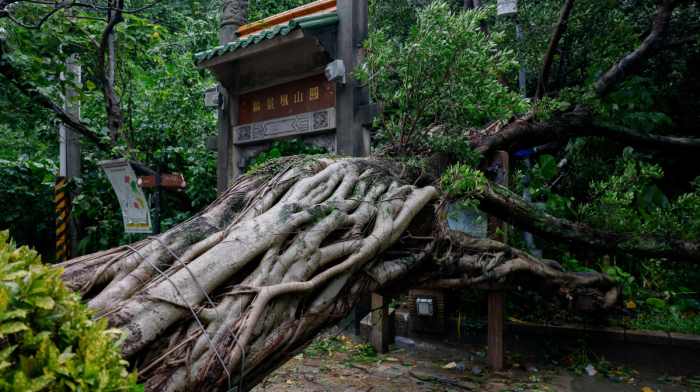
Typhoon Bavi churned southeast of Taiwan in the Pacific Ocean on Thursday, its winds easing overnight to just shy of 200 kph (124 mph), as authorities urged residents to stock up on supplies and brace for what could be the most powerful typhoon since 2024.
Mark Rutte, Secretary General of NATO, has described fresh U.S. strikes on Iran as "absolutely necessary," in remarks at the start of the second day of the alliance's sumit in the Turkish capital Ankara.
This is the last of four articles in AnewZ's series examining how conservationists are working to protect and repair damage done to the Aral Sea which lies between Uzbekistan and Kazakhstan.
This is the third of four articles in AnewZ's series examining how conservationists are working to protect and repair damage done to the Aral Sea which lies between Uzbekistan and Kazakhstan.
This is the second of four articles in AnewZ's series examining how conservationists are working to protect and repair damage done to the Aral Sea which lies between Uzbekistan and Kazakhstan.
The Aviators of Ganja explores how young Spanish volunteers travelled to Soviet-era Azerbaijan to train as military pilots before being drawn into the defining conflicts of the 20th century.
The South Caucasus is increasingly being viewed not only through the lens of past conflicts but also as a strategic bridge linking Europe, the Caspian region and Central Asia. One analyst says this presents an opportunity for a new Euro-Atlantic approach focused on long-term regional cooperation.
You can download the AnewZ application from Play Store and the App Store.
What is your opinion on this topic?
Leave the first comment