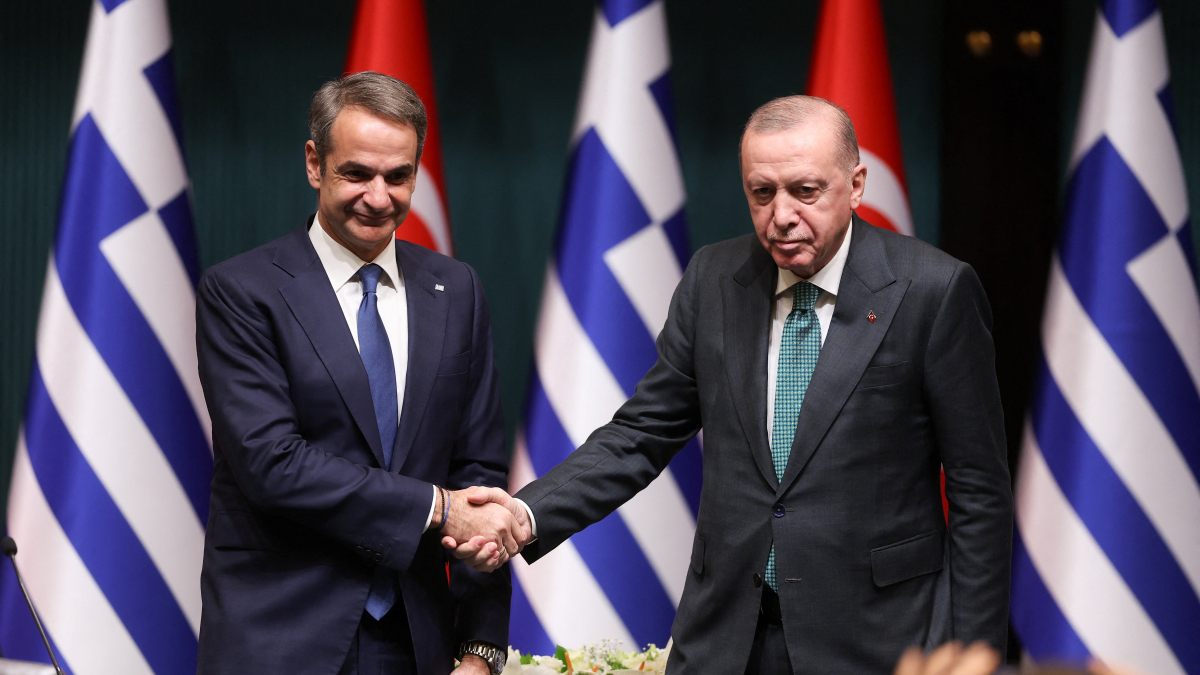
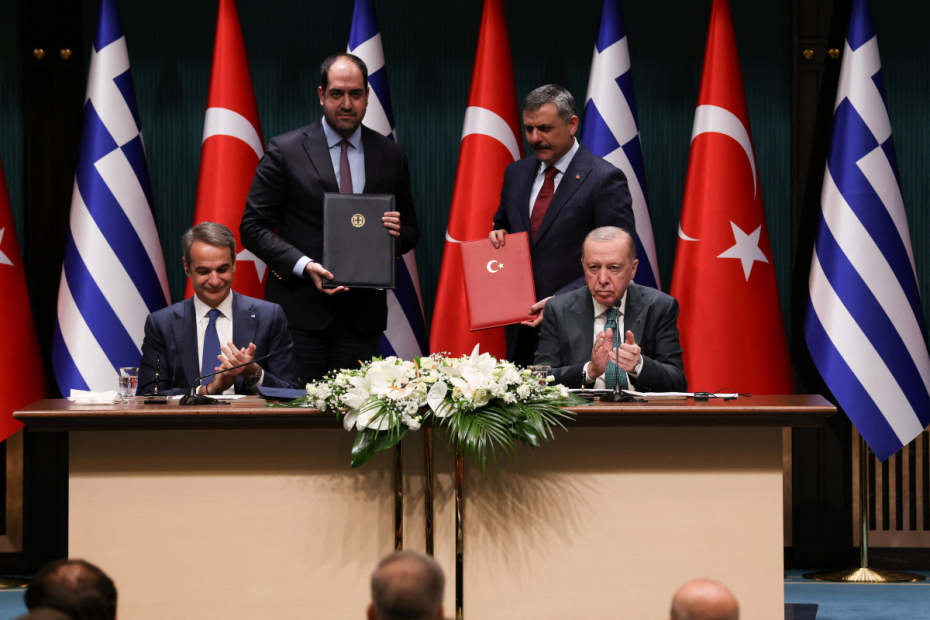
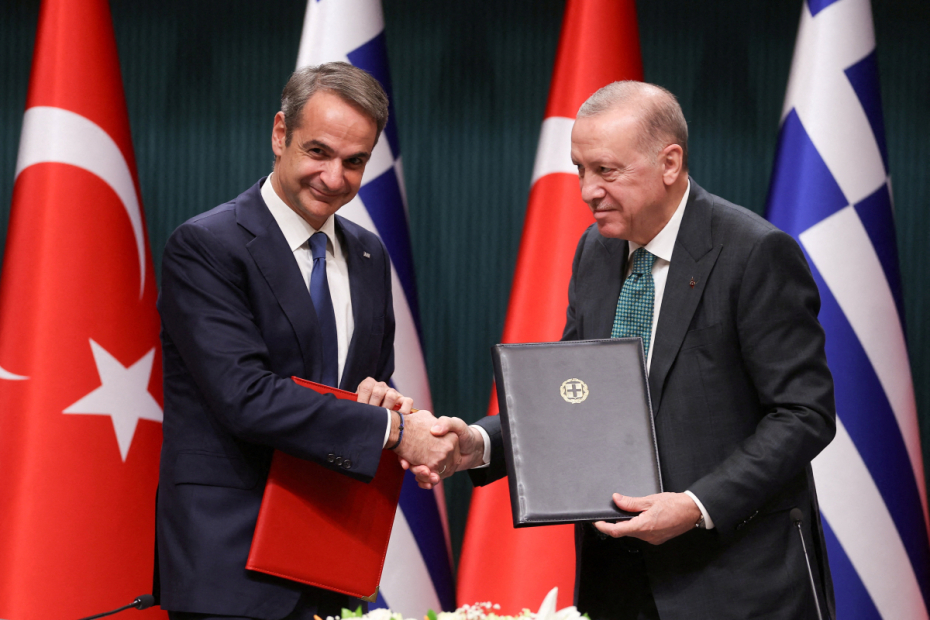
Turkish President Recep Tayyip Erdoğan and Greek Prime Minister Kyriakos Mitsotakis oversaw the signing of seven cooperation agreements in Ankara on 11 February 2026, marking a further step in efforts to stabilise and deepen ties between the two NATO allies.
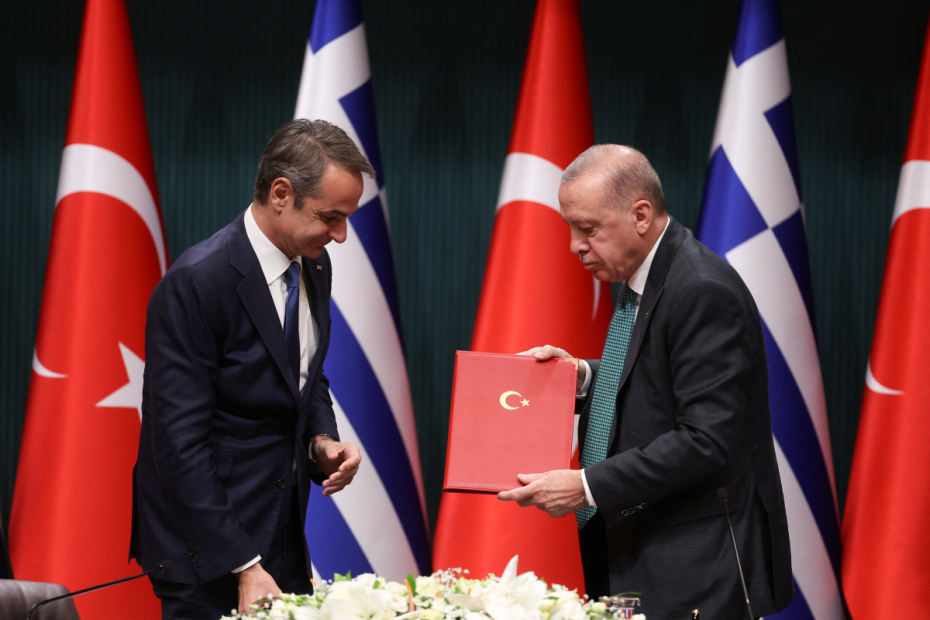
The agreements were finalised during the sixth meeting of the Türkiye–Greece High-Level Cooperation Council at the Presidential Palace. Six were signed by relevant ministers from both governments, while a joint intergovernmental declaration was signed directly by Erdoğan and Mitsotakis, underscoring political commitment at the highest level.
According to officials, the agreements span multiple sectors, including economic cooperation, trade facilitation, transport connectivity, tourism, education and cultural exchange. The documents aim to strengthen inter-ministerial coordination, simplify administrative procedures in selected areas and create structured channels for ongoing collaboration.
The joint declaration sets out a framework for sustained engagement, reaffirming both sides’ intention to maintain regular high-level contacts and expand cooperation mechanisms under the council format.
Why the visit matters
Relations between Türkiye and Greece have historically fluctuated between dialogue and tension, particularly over the Aegean, maritime jurisdictions, Cyprus and developments in the Eastern Mediterranean.
In recent years, diplomatic engagement has intensified, helping to lower tensions and reopen communication channels. The High-Level Cooperation Council serves as a formal platform to anchor dialogue and prevent renewed escalation through structured cooperation.
Mitsotakis has previously stated that Ankara and Athens do not require intermediaries to address bilateral matters, pointing to improved relations since the Athens Declaration was signed during Erdoğan’s 2023 visit to Greece.
Both sides have set a target of increasing bilateral trade to approximately 10 billion dollars, up from around 6.7 billion dollars in 2025. The newly signed agreements are expected to support that objective by facilitating commercial exchanges and strengthening sectoral partnerships.
Discussions also covered regional developments and security coordination, including NATO-related matters and confidence-building measures aimed at sustaining stability.











What is your opinion on this topic?
Leave the first comment