Iran’s foreign minister says a return to nuclear diplomacy with the United States remains possible, provided mutual trust can be restored, warning that any military confrontation would trigger a wider regional conflict.
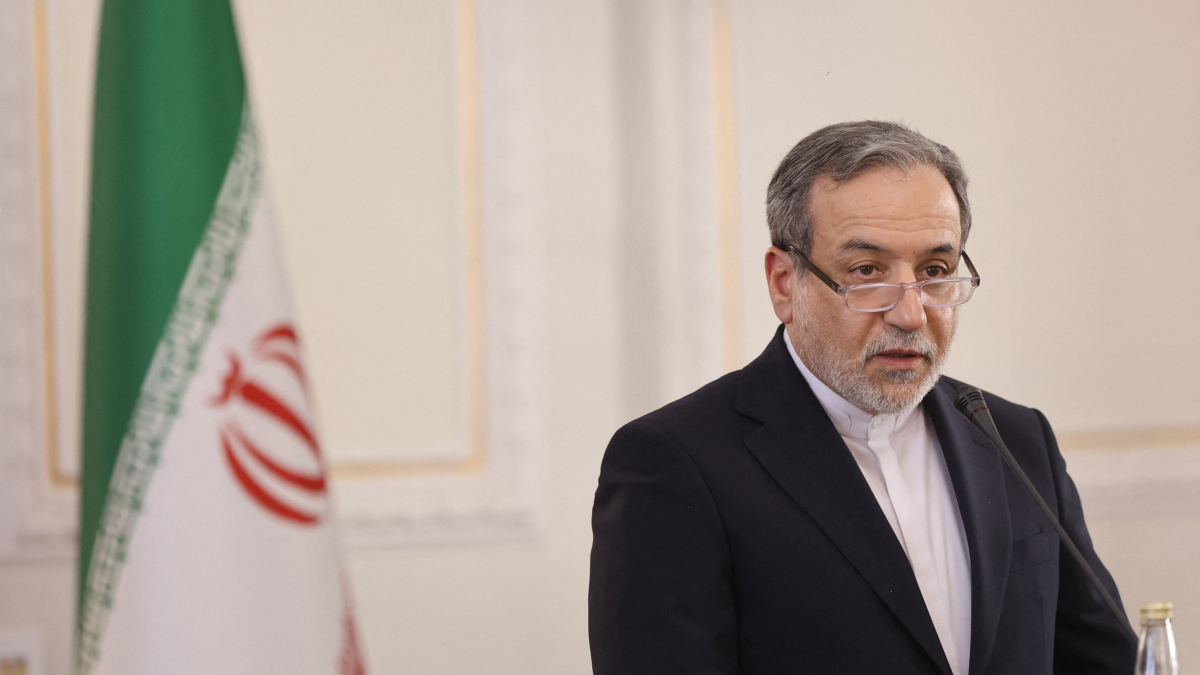
Speaking to CNN International on Sunday, Abbas Araghchi said indirect contact between Tehran and Washington were continuing through regional intermediaries and could lay the groundwork for renewed negotiations.
Araghchi said Iran’s main concern was not the prospect of war itself but the risk of miscalculation fuelled by misinformation and external pressure pushing the United States toward confrontation.
He said Iran no longer trusted the United States as a negotiating partner, citing past failures to uphold agreements, but added that efforts were underway to rebuild confidence.
“Unfortunately, we have lost our trust in the United States as a negotiating partner,” Araghchi said, adding that regional actors were helping relay messages between the two sides.
Describing the current exchanges as “fruitful,” Araghchi said they could evolve into substantive talks if Washington followed through on its stated objectives.
He said Iran shares U.S. President Donald Trump’s publicly stated goal of preventing Iran from acquiring nuclear weapons, reiterating Tehran’s long-held position that it does not seek a nuclear bomb.
Araghchi added that any future agreement would have to include the lifting of U.S. sanctions, stressing that negotiations must focus on achievable outcomes rather than what he described as “impossible” demands.
Describing the current exchanges as “fruitful,” Araghchi said they could evolve into substantive talks if Washington followed through on its stated objectives.
He reiterated Tehran’s long-held position that it does not seek a nuclear bomb.
Araghchi added that any future agreement would have to include the lifting of U.S. sanctions, stressing that negotiations must focus on achievable outcomes rather than what he described as “impossible” demands.
He rejected proposals to expand talks to cover Iran’s ballistic missile programme or its regional allies, saying such issues fall outside the nuclear file.
Warning against escalation, Araghchi said a military conflict would be “a disaster for everybody,” noting that the presence of U.S. bases across the Middle East would inevitably draw multiple countries into any fighting.
He said Iran had learned lessons from its previous confrontation with Israel and had assessed its missile capabilities under combat conditions, but emphasised that preparedness did not signal a desire for war.
“We are very well prepared,” he said. “But being prepared doesn’t mean that we want war. We want to prevent a war.”
Addressing concerns raised by U.S. officials over detainees in Iran, Araghchi denied any plans for executions linked to recent unrest and said the rights of all detainees would be respected under Iranian law.












What is your opinion on this topic?
Leave the first comment