Kazakhstan concludes first Kurultai election with turnout at 74.19%
Kazakhstan has concluded its first election to the new unicameral Kurultai, with turnout reaching 74.19 per cent, as vote counting begins following...
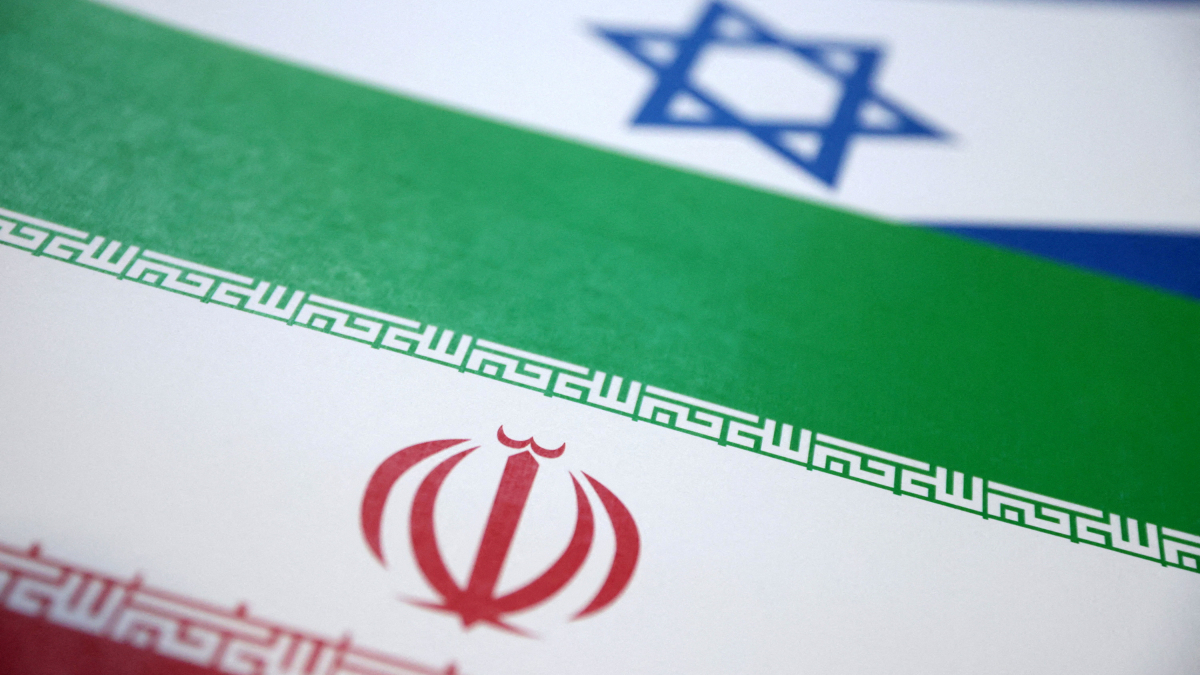
Iran does not trust Israel and remains fully prepared to defend its national sovereignty against any potential threats, the country’s foreign ministry spokesperson has said.
Speaking at a weekly press conference on Monday, Esmaeil Baghaei said Iran’s security posture would not change in response to media reports suggesting possible mediation efforts by Russian President Vladimir Putin between Iran and Israel.
Baghaei said such reports were largely speculative and circulating in the media, adding that Tehran did not base its security decisions on statements or positions issued by Israel.
He stressed that Iran and its armed forces remained focused on safeguarding the country’s territorial integrity and maintaining readiness to respond to any threat.
Addressing ongoing protests inside Iran, Baghaei accused the United States and Israel of interfering in Iran’s internal affairs. He said public statements made by officials in both countries were encouraging unrest and violence.
Baghaei added that Iranian institutions were closely monitoring developments and the actions of what he described as “the other side”, including political messaging and activity on the ground.
On Sunday, U.S. President Donald Trump said he was closely following developments related to the protests in Iran.
Baghaei reiterated that Iran’s approach remained defensive in nature, centred on protecting national sovereignty and territorial integrity.

Iran on Saturday denounced U.S. plans to announce new sanctions that could put further strain on the Islamic Republic's economy and have an impact on its most important trading partners including China.
A large-scale drone attack has hit Russia's Samara region, damaging facilities and disrupting operations at an Ozon logistics complex, according to regional authorities and the company.
Ukrainian President Volodymyr Zelenskyy has rejected calls for a wartime election, arguing that holding a vote while Russia's full-scale invasion continues would divide the country and undermine national unity.
U.S. President Donald Trump said Iran was not ready to make what he called the "right deal" with Washington as tensions persisted over the war and the Strait of Hormuz.
Start your day informed with AnewZ Morning Brief. Here are the top news stories for the 22nd of August, covering the latest developments.
Kazakhstan has concluded its first election to the new unicameral Kurultai, with turnout reaching 74.19 per cent, as vote counting begins following a major overhaul of the country’s parliamentary system.
Azerbaijan and Uzbekistan have elevated bilateral ties with a Treaty on Eternal Friendship signed by Presidents Ilham Aliyev and Shavkat Mirziyoyev in Tashkent on 23 August. The leaders also agreed to expand trade, investment, transport, and regional cooperation.
Syria has called for international action after an Israeli drone strike hit a civilian vehicle near Damascus, warning that continued Israeli attacks could deepen instability and put civilians at greater risk.
Pakistan says it has added 12 sites to its UNESCO World Heritage Tentative List, taking the total from 25 to 37 and widening the country's roster of potential future nominations.
Uzbekistan and Georgia have launched an electronic permit system for international road freight, replacing paper documents in a move aimed at speeding up cross-border transport and cutting bureaucracy.
You can download the AnewZ application from Play Store and the App Store.
What is your opinion on this topic?
Leave the first comment