Saudi Arabia has extended a $5 billion financial facility for Pakistan until December 2028, easing the country's external financing pressure as Islamabad continues economic reforms under an International Monetary Fund (IMF) programme.
Saudi Arabia now holds $8 billion in deposits with Pakistan after providing an additional $3 billion earlier this year, reaffirming its role as one of Islamabad's key financial partners.
State Bank of Pakistan Governor Jameel Ahmad said the extension has reduced Pakistan's gross external financing requirement for the current fiscal year to $21.5 billion, down from the IMF's earlier estimate of about $30 billion.
He said the improvement reflects the Saudi rollover, lower interest costs on external debt, repayments already completed and expected refinancing from China.
Pakistan has already repaid $2.2 billion in external debt this month. It also expects China to refinance a recently repaid $1.3 billion commercial loan. Lower borrowing costs have reduced financing needs by nearly $500 million, Ahmad said.
The remaining financing requirement includes about $7.3 billion in cash deposits, $3.5 billion in commercial loans maturing this fiscal year and $250 million owed to Kuwait under long-standing rolled-over deposits.
Meanwhile, the central bank bought around $9 billion in foreign currency from the domestic market during the last fiscal year, bringing total purchases over the past three years to $28 billion. Foreign exchange reserves are projected to reach $20.2 billion by the end of December.
IMF reforms remain key to recovery
The latest Saudi support comes as Pakistan continues rebuilding an economy that narrowly avoided sovereign default in 2023 following a balance of payments crisis, critically low foreign exchange reserves and heavy external debt repayments.
The IMF has since described Pakistan's implementation of its $7 billion Extended Fund Facility as strong, citing improved financing conditions, lower inflation and a continuing economic recovery. The Fund approved the programme's first review in May, unlocking about $1 billion alongside a $1.4 billion Resilience and Sustainability Facility to strengthen climate resilience.
The IMF has urged Pakistan to maintain fiscal discipline, broaden its tax base, reform the energy sector, improve the performance of state-owned enterprises and strengthen governance while rebuilding foreign exchange reserves.
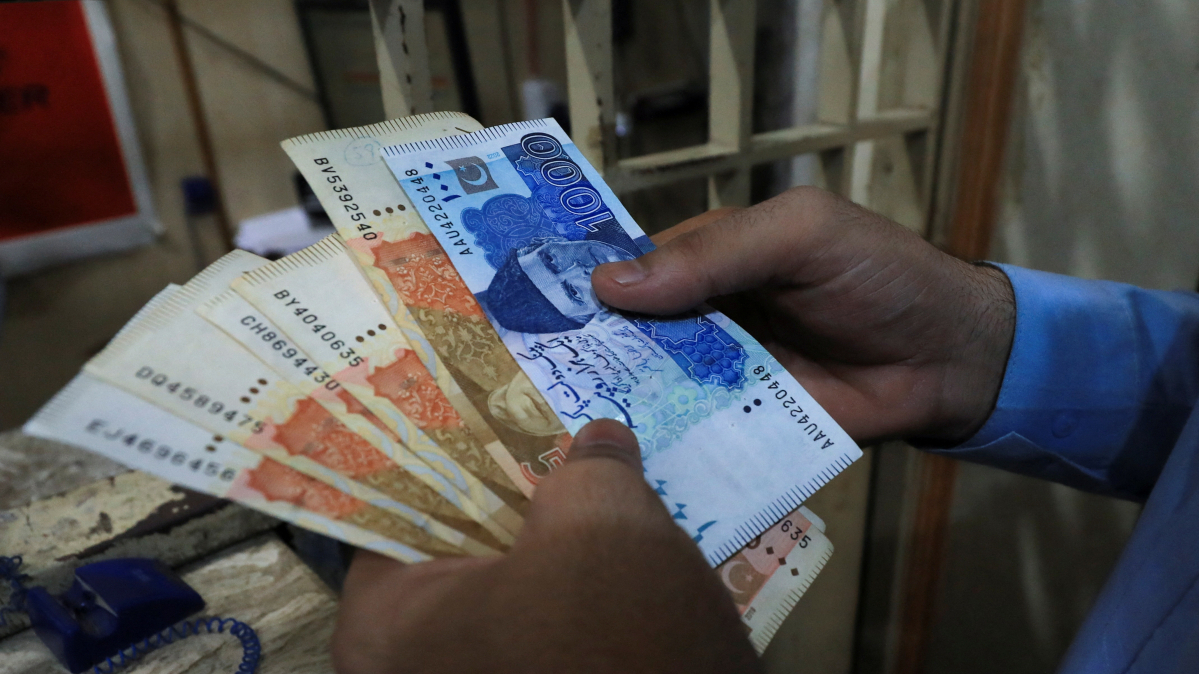
Those commitments underpin Pakistan's 18.77 trillion rupee federal budget, which targets 15.26 trillion rupees in tax revenues and a primary surplus of 2 per cent of GDP to keep the IMF programme on track.
The Saudi extension gives Pakistan more time to meet its external obligations while reducing short-term refinancing risks. It also provides a stronger financial buffer as Islamabad seeks to sustain IMF-backed reforms, restore investor confidence and reduce its dependence on repeated short-term external support.














What is your opinion on this topic?
Leave the first comment