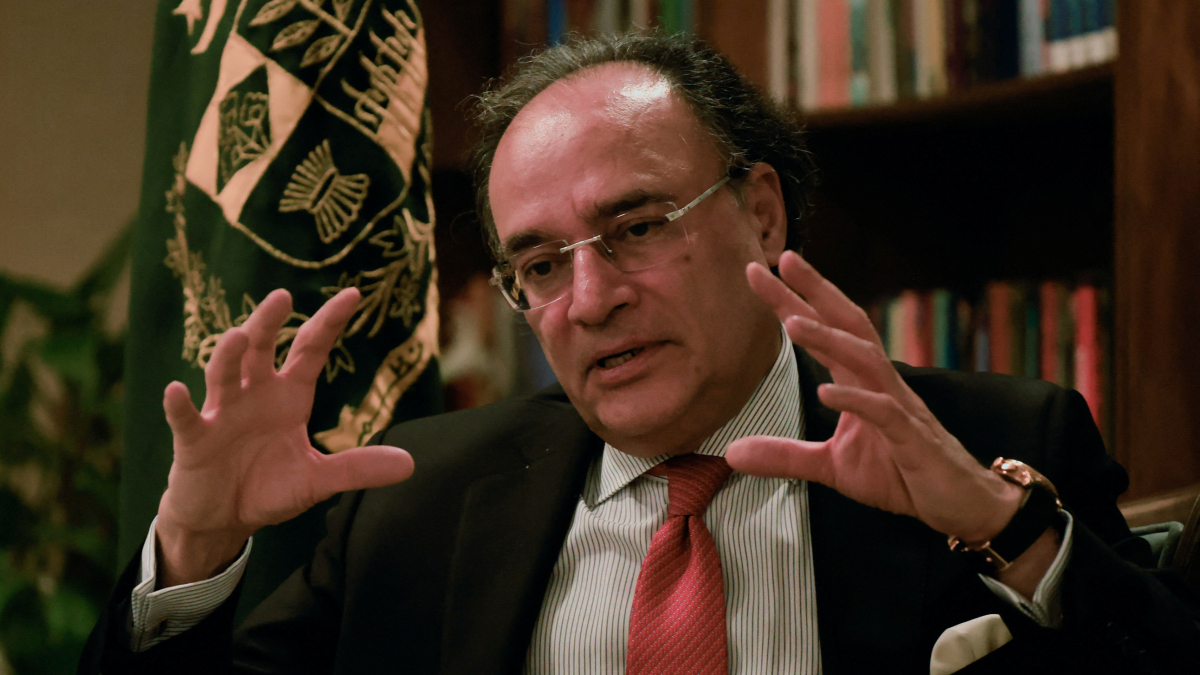
Pakistan's Finance Minister Muhammad Aurangzeb arrived in Washington on Saturday for a three-day visit as Islamabad resumes negotiations with the U.S. on a broader trade agreement aimed at expanding market access, investment and economic cooperation.
Aurangzeb is expected to meet officials from the Office of the United States Trade Representative (USTR), the U.S. Export-Import Bank, the U.S. International Development Finance Corporation (DFC) and the International Monetary Fund (IMF). Alongside trade talks, the meetings will explore financing for infrastructure, energy and private sector investment projects.
The visit comes as Pakistan seeks closer economic ties with Washington after months of negotiations over U.S. tariffs and amid efforts to attract foreign investment following signs of macroeconomic stabilisation under the IMF programme.
Tariffs and investment top Washington agenda
Pakistan and the United States are due to resume negotiations on Monday on a proposed bilateral trade framework covering tariffs, market access, investment opportunities and broader economic cooperation.
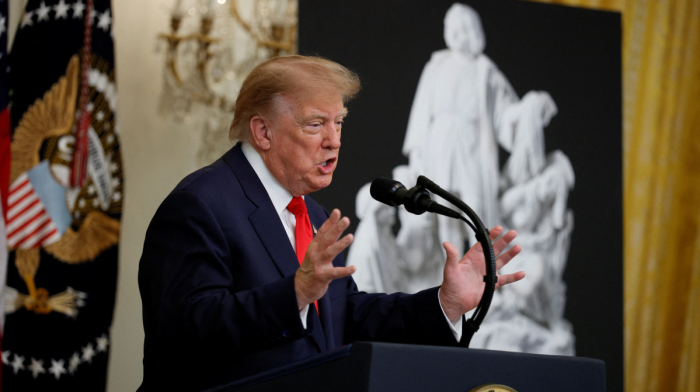
The discussions follow months of talks after U.S. President Donald Trump announced sweeping tariffs on 2 April 2025 under the International Emergency Economic Powers Act (IEEPA), including a proposed 29% tariff on Pakistani exports. Pakistani officials later said negotiations reduced the proposed rate to 19%.
The tariff regime has since shifted after the U.S. Supreme Court invalidated the IEEPA-based measures. The Trump administration subsequently imposed a temporary 10% global tariff under Section 122 of the Trade Act, which is due to expire on 24 July.
Pakistan is also among nearly 60 countries under a USTR Section 301 investigation into alleged forced labour-related trade practices. Islamabad has submitted detailed responses, including an additional filing ahead of the latest negotiations. Under the ongoing review, Pakistan faces a proposed additional 10% tariff.
Aurangzeb last visited Washington in April for the IMF and World Bank Spring Meetings, where he held more than 50 meetings with international financial institutions, investors and rating agencies to present Pakistan's economic reform programme and plans to return to international capital markets through panda bonds and eurobonds.
Saudi backing reinforces IMF financing
Separately, Saudi Arabia has reinforced Pakistan's external financing by extending its existing $5 billion deposit with the State Bank of Pakistan and providing an additional $3 billion, raising its total support to $8 billion.
The move followed the United Arab Emirates' decision not to continue its previous deposit arrangement and enables Pakistan to continue meeting a key financing assurance under its $7 billion, 37-month IMF Extended Fund Facility, approved in September 2024. Under the programme, Pakistan secured commitments from Saudi Arabia, China and the UAE to maintain around $12.5 billion in deposits with the State Bank throughout the programme period.
While the Washington talks could shape Pakistan's future access to the U.S. market and attract new investment, the Saudi support underscores the continued importance of external financial backing in keeping the IMF programme on track. Together, the developments illustrate the balancing act facing Pakistan as it seeks to broaden trade ties while preserving financial stability.












What is your opinion on this topic?
Leave the first comment