



18:20 CET
Gaza war
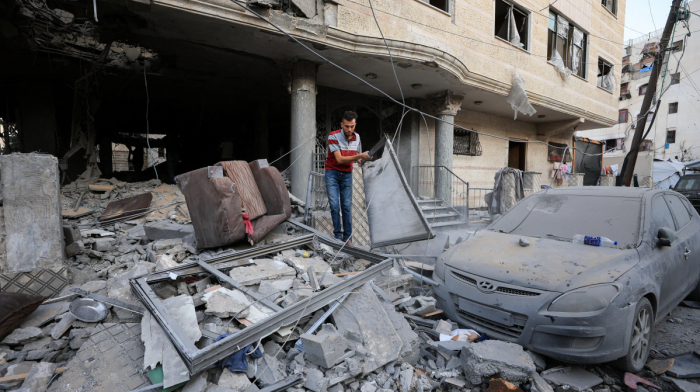
Israeli strike kills five in Gaza, including four women, health officials say
An Israeli air...
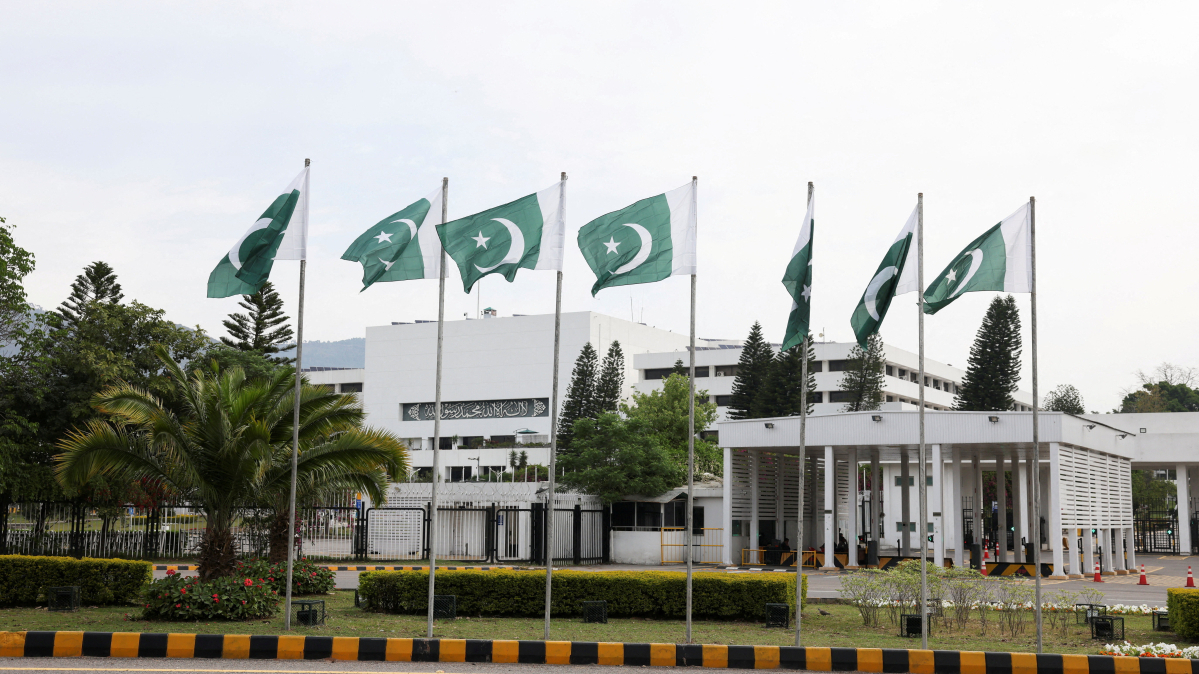


Pakistan's latest federal budget has exposed a difficult policy dilemma facing many developing economies: can a country achieve lasting prosperity by prioritising fiscal stability if investment in people remains constrained?
The question has gained renewed urgency after Finance Minister Muhammad Aurangzeb unveiled the FY2026-27 budget, which remains closely aligned with targets agreed under Pakistan's $7 billion International Monetary Fund programme.
While the government argues that stabilisation is essential to avoid another balance-of-payments crisis, lawmakers, economists and development experts warn that the cost of meeting IMF benchmarks may be underinvestment in the very sectors that drive long-term growth.
Pakistan enters the new fiscal year under pressure to maintain a primary budget surplus of 2 per cent of GDP, keep the fiscal deficit at 3.6 per cent and raise tax revenues to Rs15.26 trillion.
The budget increases defence spending by 17.7 per cent to Rs3 trillion and allocates more than Rs8 trillion for debt servicing. Meanwhile, the Public Sector Development Programme has been capped at Rs1.126 trillion, Rs126 billion below the level approved by the Annual Plan Coordination Committee and far below the nearly Rs4 trillion sought by ministries for ongoing projects.
The government's argument is straightforward. Pakistan's merchandise trade deficit widened to nearly $34.8 billion during the first 11 months of FY2026 as imports rose to $62.7 billion while exports fell to $27.9 billion. Foreign exchange reserves remain vulnerable, public debt pressures persist and circular debt in the power and gas sectors has climbed above Rs5.2 trillion.
Against that backdrop, policymakers say stabilisation is a prerequisite for growth.
Critics argue that stabilisation alone cannot resolve Pakistan's deeper structural challenges.
At a parliamentary consultation on the budget, lawmakers and development experts warned that Pakistan's population could approach 400 million by 2050, increasing pressure on already overstretched schools, hospitals, housing and labour markets. Participants urged greater investment in Sustainable Development Goals linked to health, education, inequality reduction and climate resilience.
Their concerns reflect broader development realities. Pakistan remains among the countries most vulnerable to climate change despite contributing less than 1 per cent of global greenhouse gas emissions. The devastating 2022 floods affected 33 million people and caused economic losses exceeding $30 billion, according to government and international estimates.
Yet development spending continues to compete with debt repayments, subsidies and security expenditure.
The budget attempts to stimulate growth through targeted incentives. Export industries received tax relief, the concessional 0.25 per cent tax rate for IT exports was extended until 2029, and taxes on the construction sector were reduced to encourage investment.
Pakistan's IT and telecom exports reached approximately $4.2 billion during the first 11 months of FY2026, growing by around 20 per cent year on year and reinforcing the sector's importance as a source of foreign exchange.
However, economists remain divided over whether export incentives alone can compensate for weak investment in human capital.
Critics of IMF-backed adjustment programmes argue that repeated cycles of austerity, tax increases and spending restraint have failed to deliver sustained growth despite Pakistan's long history of IMF engagement. Supporters counter that macroeconomic stability is necessary before governments can invest more heavily in development.
For Pakistan, the challenge extends beyond balancing budgets. The country has demonstrated resilience in navigating economic shocks, security challenges and climate disasters. The larger question now is whether fiscal stabilisation can be transformed into a foundation for higher productivity, better education, stronger healthcare systems and greater climate resilience.
For a country seeking durable economic transformation, meeting IMF targets may be necessary. Whether it is sufficient remains far less certain.

An Israeli air...
The co-...

A major bridge across the Dnipro river in Kyiv was hit in a Russian air attack on Saturday, the city's mayor, Vitali Klitschko said, as strikes...


Yemen's air force carried out 20 strikes on Houthi targets earlier on Friday, Brigadier General Majid Abdullah Al-Nuzaili, Spokesman for the Yemeni Armed Forces, said. Meanwhile, the Iran-backed Houthis denied targeting a power plant supplying energy to a mosque in Medina, Saudi Arabia.

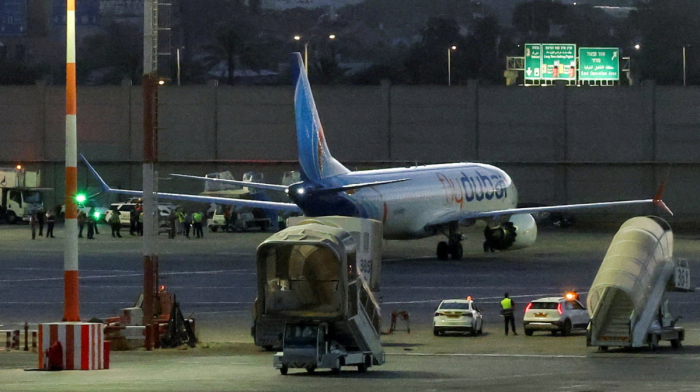
Hammam al-Hammami, the Flydubai co-pilot accused of stabbing the captain of an Israel-bound flight on Wednesday in a suspected terrorist attack, was banned from flying by Oman over concerns about his radical views, U.S. media reported on Friday, citing people familiar with the matter.
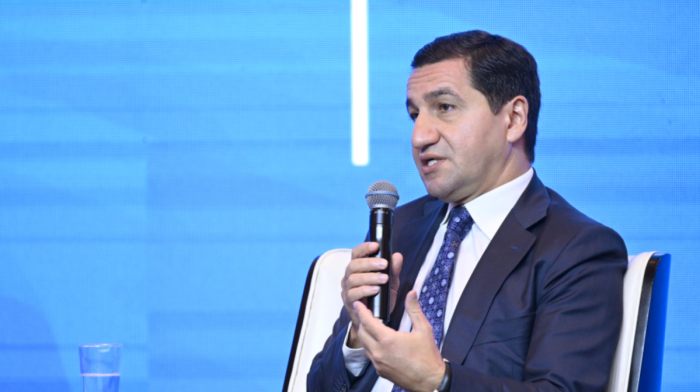
Azerbaijan and Armenia will sign a final peace agreement once Armenia amends its constitution to remove territorial claims against Azerbaijan, Hikmat Hajiyev, Assistant to Azerbaijan’s President Ilham Aliyev, has said.
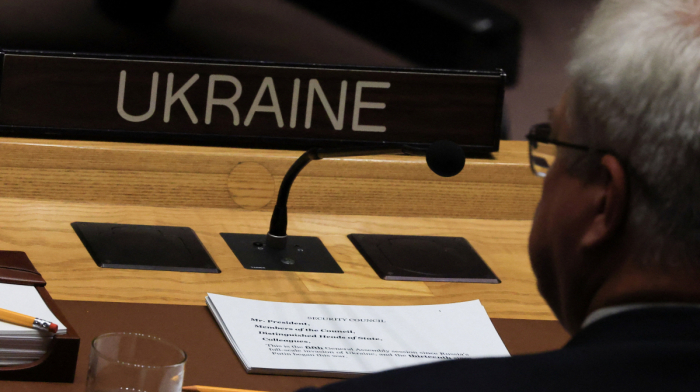
Ukraine is working to resolve a diplomatic dispute with South Korea after Kyiv publicly disclosed the transfer of two North Korean prisoners of war to Seoul, Ukrainian Foreign Minister Andrii Sybiha said on Thursday, 1 October.
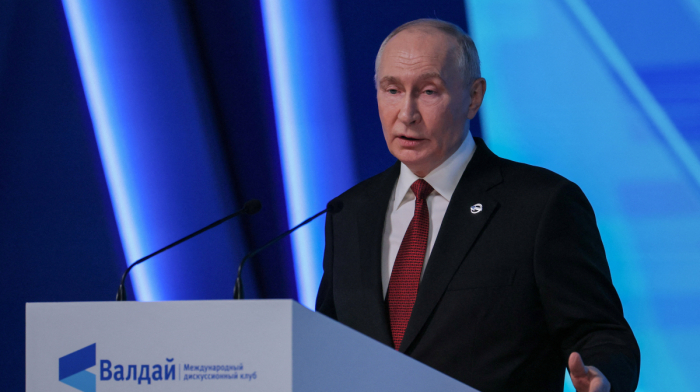
Russian President Vladimir Putin said on Thursday that Moscow wanted to end the war in Ukraine through negotiations as soon as possible, while insisting that any settlement must meet conditions acceptable to Russia and include security guarantees.
A major bridge across the Dnipro river in Kyiv was hit in a Russian air attack on Saturday, the city's mayor, Vitali Klitschko said, as strikes on the capital's infrastructure continue.
Hammam al-Hammami, the Flydubai co-pilot accused of stabbing the captain of an Israel-bound flight on Wednesday in a suspected terrorist attack, was banned from flying by Oman over concerns about his radical views, U.S. media reported on Friday, citing people familiar with the matter.

A U.S. federal appeals court has temporarily halted Minnesota’s ban on AI-generated fake nude images after Elon Musk’s xAI challenged the law as unconstitutional.

Two Iranian nationals have been charged in Britain with preparing a suspected terrorist attack targeting the Jewish community in northern England, police said on Friday (2 October).
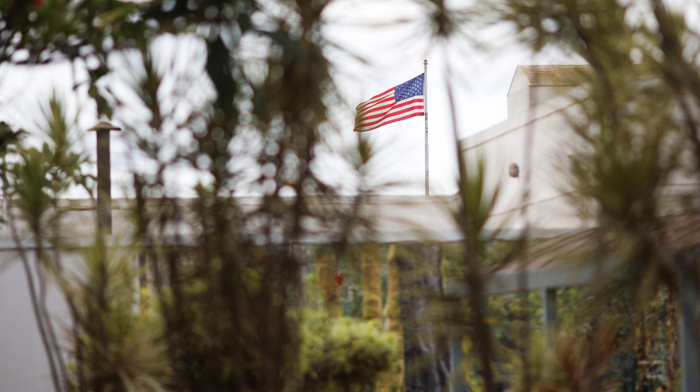
The United States suspended consular services at its embassy and consulates in Brazil on Friday over unspecified security concerns, prompting Australia to close its embassy in Brasília two days before the country's presidential election.
You can download the AnewZ application from Play Store and the App Store.




What is your opinion on this topic?
Leave the first comment